
prof. Dr. György ALFÖLDI DLA / urbanist, university professor, co-founder of UFLab
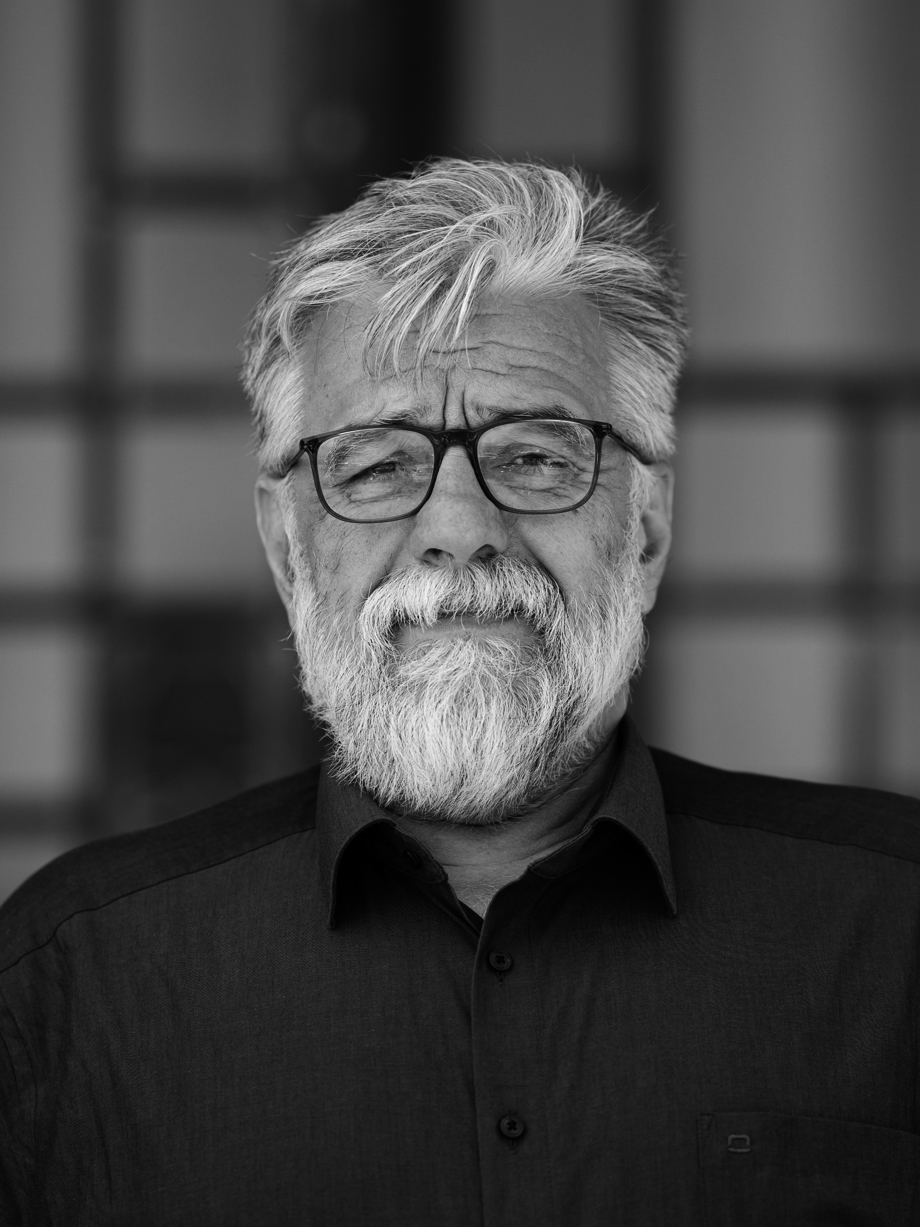
Prof. Dr. György Alföldi DLA (Arch MSc, PG Urban Planning) is an urban planner, professor at Department of Urban Planning and Design at BME, Dean of Faculty of Architecture (2018-2025), Chairman of the Standing Committee of Urban Sciences of the Hungarian Academy of Science (2015-2021). Between 1999 and 2016 he was responsible for the urban development of District 8# of Budapest taking part in the urban regeneration projects, which became well-known across Europe. Chairman of Hungarian Society for Urban and Spatial Planning from 2024.
Within the Department of Urban Planning and Design, he and Péter Bach created the „Urban Future Laboratory”. The aim of the project is to teach urban planning&design through researching the challenges of a city’s future, while reacting to social needs.
Peter BACH DLA / architect, urbanist, associate professor, co-founder of UFLab

/ current academic position: associate professor at the Széchenyi István University in Győr + researcher and supervisor consultant at the BME Doctoral School of Architecture
/ recent: head of Deapartment of Architectural Design and responsible of architectural education at the Széchenyi István University + member of the Standing Committee on Urban Studies, Hungarian Academy of Sciences /
/ research fields: thesis with the title “HACKING the CITY” – investigating the city as a form of a complex of systems + research studies of Urban Soundscapes understanding and analyzing the growing importance of unique sonic environments in cities and urban spaces
/ professional occupancy: running my own studio Analóg Architects founded in 1999 with Borbála Gévay
Olívia KURUCZ DLA / architect, assistant lecturer
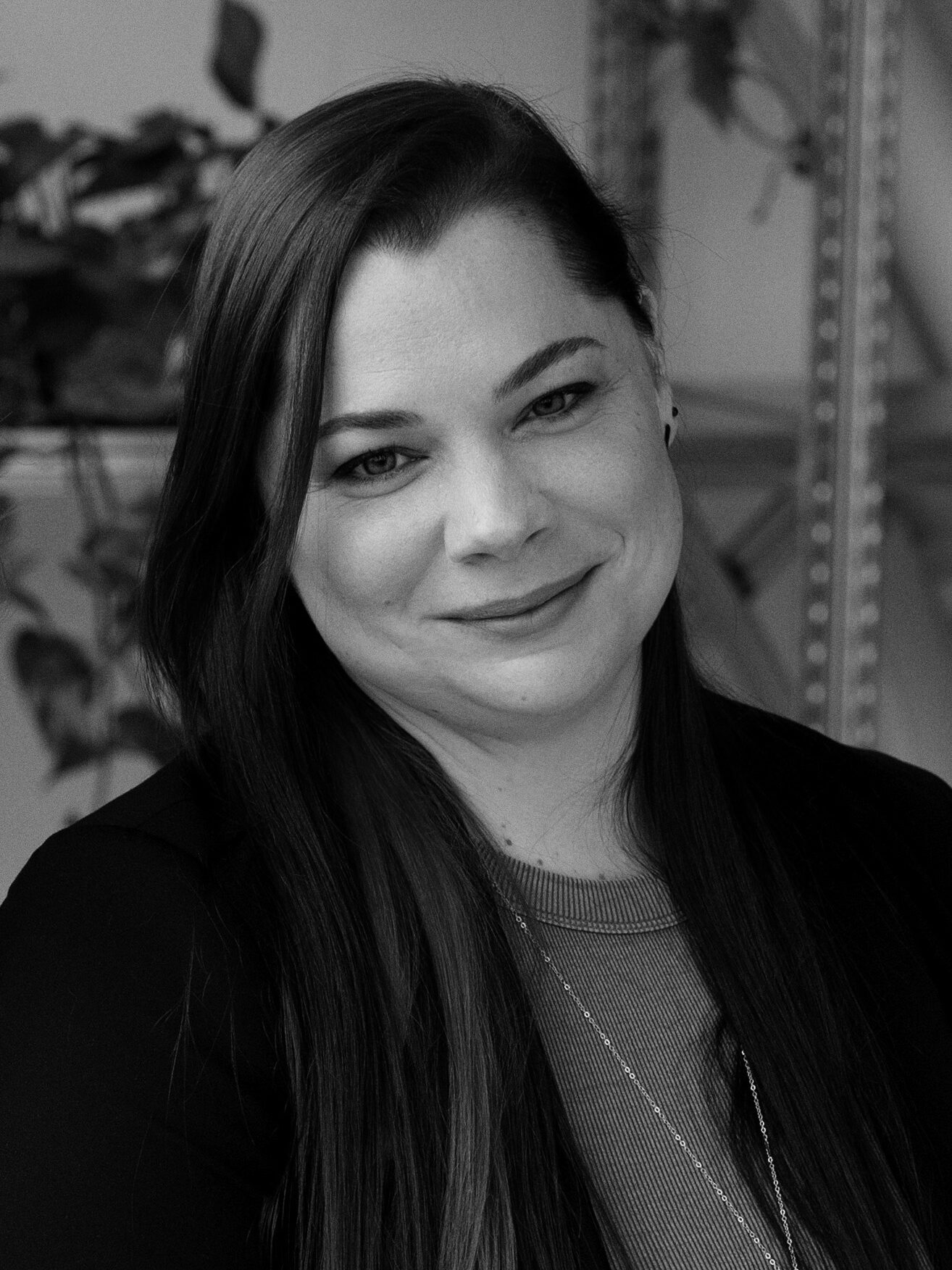
I graduated as an architect in 2016 at the Budapest University of Technology and Economis (BME). During my academic years I completed all the optional design subjects within the Department of Urban Planning and Design, meanwhile, I took part in the experimental projects of the UFLab, where György Alföldi and Péter Bach became my mentors.
I seek the relationship between the individual and the city. I do this through urban participatory planning and placemaking projects, architectural design, education, research and my activities as a member of an NGO.
Urban gamification stands in the focus of my DLA doctoral research and I develop various gamified tools and methods for facilitating multi-stakeholder dialogue in urban environment and analyze the effects of their implementation in certain steps of participatory planning processes.
Tamás FENES DLA / architect, associate professor
I graduated from the Faculty of Architecture in 2002 and received my DLA in Architecture in 2015, but I have been participating in the work of the Department of Urban Planning as a lecturer since 2011.
As a freelance architect, I work with several architectural offices besides my teaching profession. Architectural occupation and education play a parallel role in my life. I try to exploit this duality; the experience of practice in education, while the results of experimentation with students are being used in architectural planning.
My particular point of view is the observation of these situations: in my opinion, individual architectural strategies and individual positions are much more forward-looking than mainstream canonized approaches.
Botond DOBOS DLA / architect, associate professor
I am an architect, head of an architecture studio, university lecturer, and president of the Husznegyven Association. I actively engage in contemporary urban planning, participate in architectural competitions, and have curated over 20 exhibitions on innovative public space design and community engagement.
Dániel GYŐRFI / architect, external lecturer
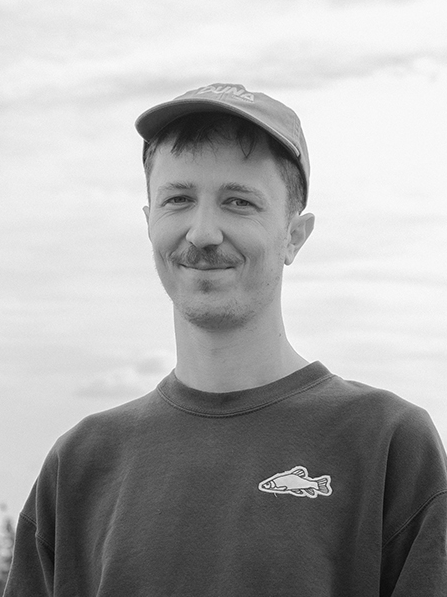
I graduated as an architect from the Budapest University of Technology and Economics (BME) in 2022 and have been working as an external lecturer at the Faculty of Architecture since 2023. In the Urban Planning 2 course, together with Dr. György Alföldi DLA and Olívia Kurucz DLA, we work with students on complex urban design tasks, with a particular focus on gradual and adaptive development, climate adaptation and sustainable mobility solutions.
Alongside teaching, I work as an urban developer with a background in architecture. At Rév8, I worked on neighbourhood regeneration projects in Józsefváros, contributing to public space development, mobility and climate adaptation initiatives. At Valyo – City and River Association, I work on collaborative urban development projects, including the adaptive reuse of the historic Hengermalom site and public space projects along the Danube.
I am interested in how urban interventions can respond to changing environmental and social conditions, and how planning can support incremental transformation rather than relying solely on large-scale, one-off developments.
profile at LinkedIn
Bálint BALÁZS / architect
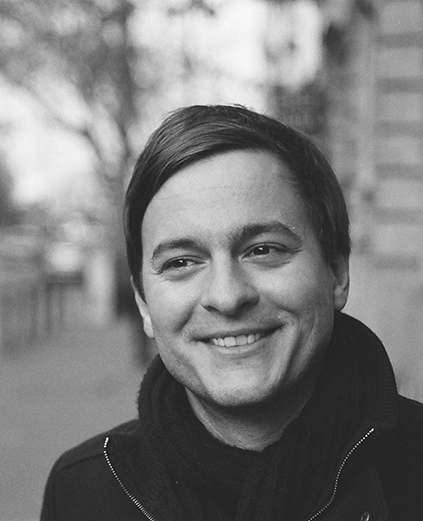
I studied architecture at Budapest University of Technology and Economics (BME), earning my master’s degree in architecture and urban planning in 2017. Since then, I have worked as an architectural designer and project manager for both public and private clients. Between 2012 and 2022, I volunteered with the Hungarian Contemporary Architecture Centre (KÉK), participating in events such as Pecha Kucha Night Budapest and the ‘Trust your Architect!’ roundtable series. My professional interests, beyond architecture, include analyzing Hungary’s distressed urban areas and exploring how globalization affects cities and small communities – topics inspired by György Alföldi.
Alongside my work as an architect, I am a young research fellow at ELTE University’s Faculty of Education and Psychology, within the Institute of People–Environment Transaction. My research focuses on the dynamics of urban and regional “left-behind” processes and the factors influencing everyday residential choices, such as public transport use, walking habits, engagement with public spaces, and commuting patterns. I am also particularly interested in the affective and cognitive relationships to places, including place attachment, identity, and dependence.
Dániel BALIZS PhD/ geographer, research fellow
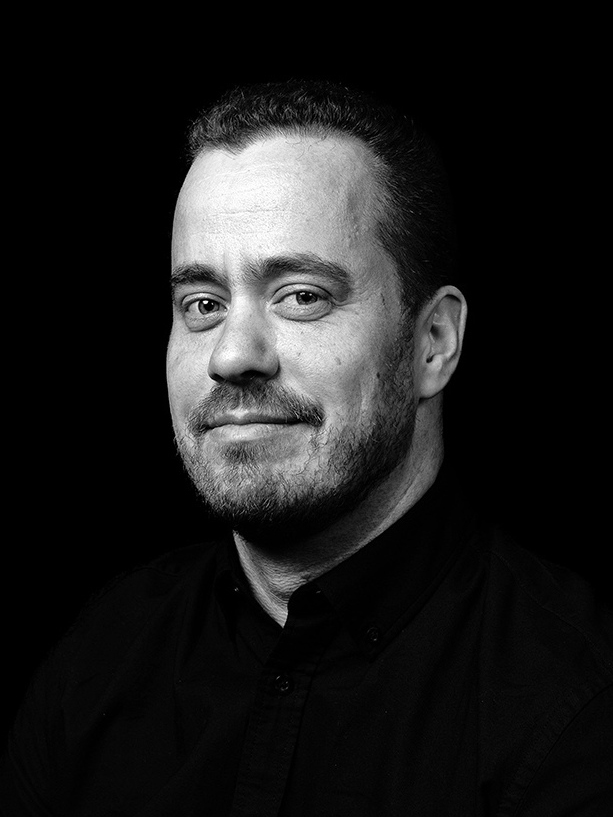
My name is Dániel Balizs, I am a geographer and I’m working as a research fellow in the Faculty of Architecture at the BME. Besides lecturing and the professional research work I am participating in the Danube Ruralscapes and PlaceCraft projects, in which I am responsible for creating and managing the research platform of these EU-funded INTERREG projects. Previously, I worked as a junior research fellow in the Geographical Institute at the Hungarian Academy of Sciences. My own research currently focuses primarily on the topics of cross-border suburbanization and urban shrinkage.
Tamás VÖRÖS DLA / architect, associate professor
Tamás DONGÓ / architect
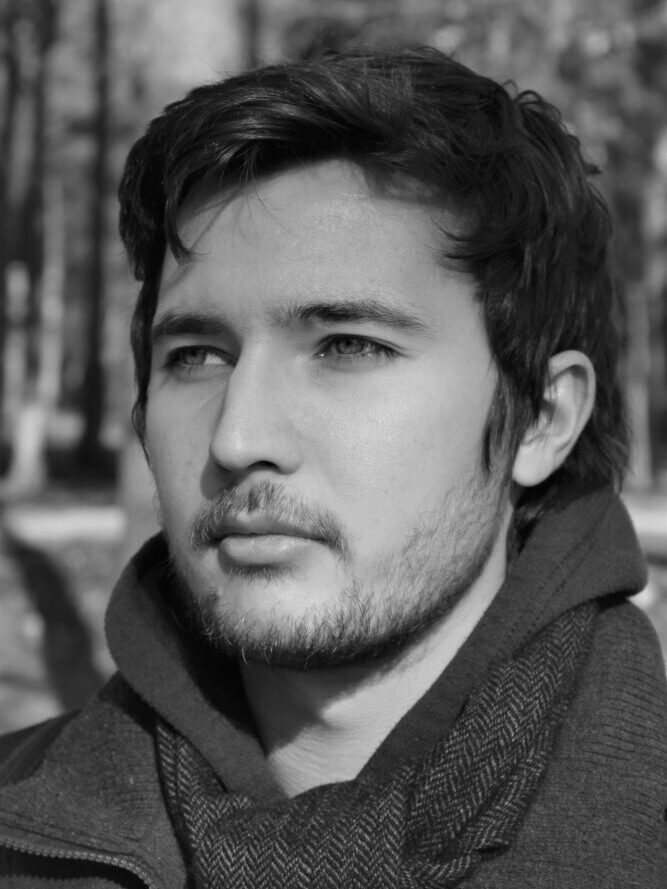
Tamás Dongó graduated at the Faculty of Architecture in 2021, and since then he has been working at a private architecture studio. During his studies, he always tried to escape the traditional ways of designing buildings and urban environments, and tried to incorporate his computer science knowledge, to make the design processes easier and more effective. Currently he is studying the optimization processes in architectural design, and planning on starting the PhD programme, where he can further research this topic.