
BUDAPEST – JÓZSEFVÁROS 2052 – Complex Design Studio 1
What will Józsefváros be like 275 years after its founding?
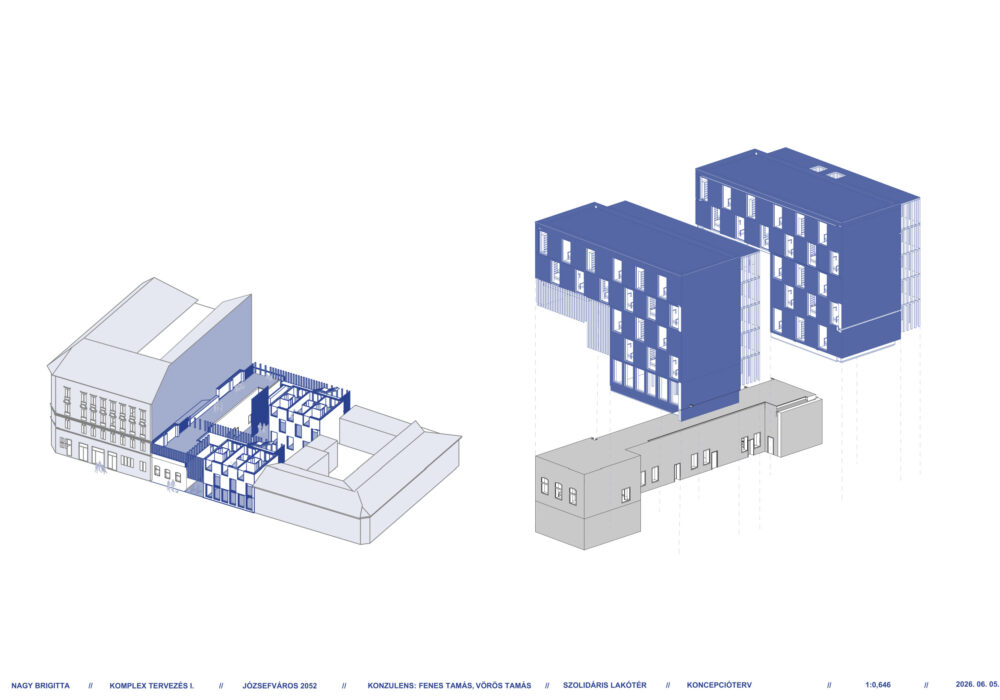
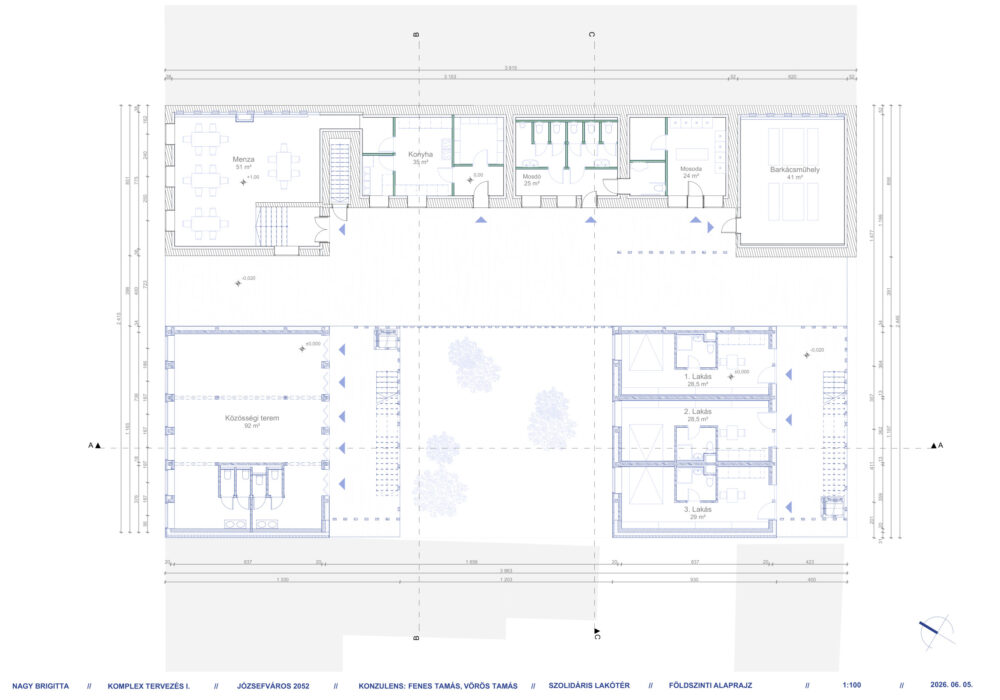
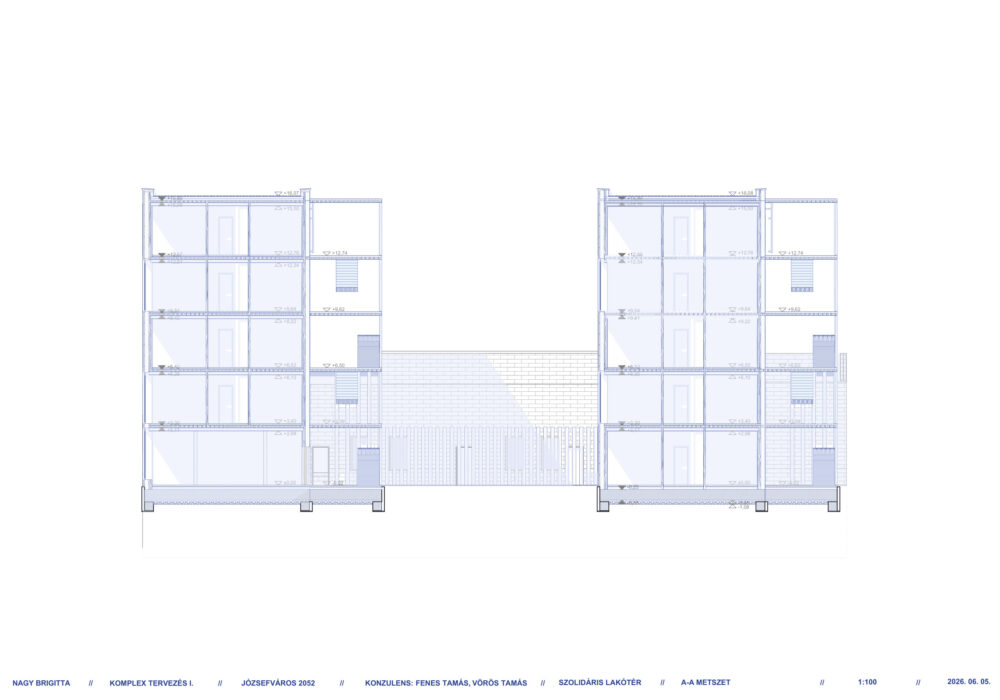
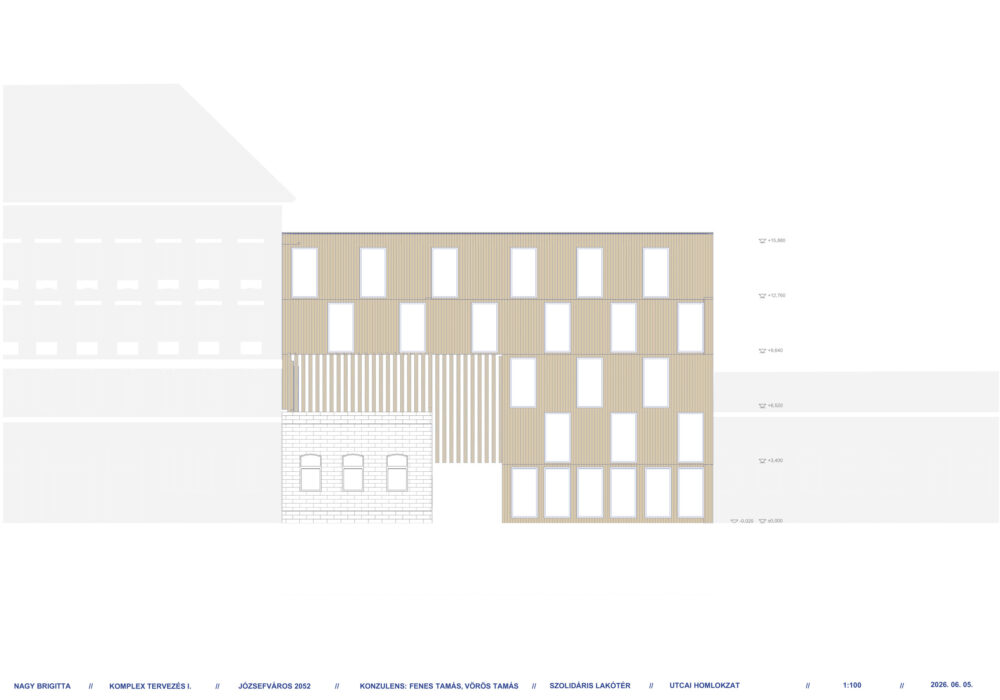
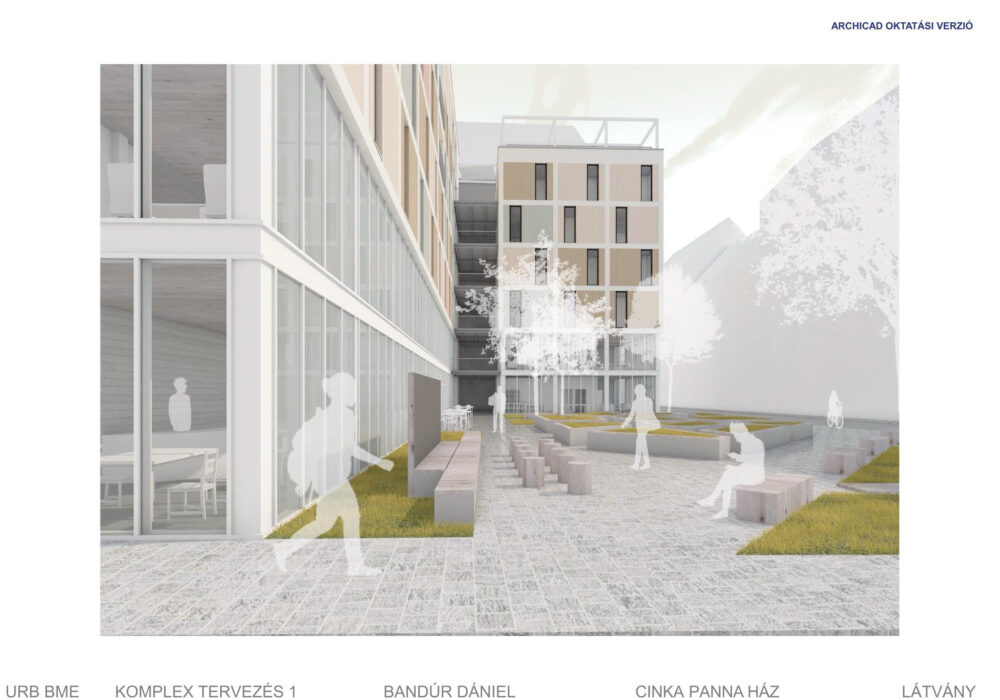
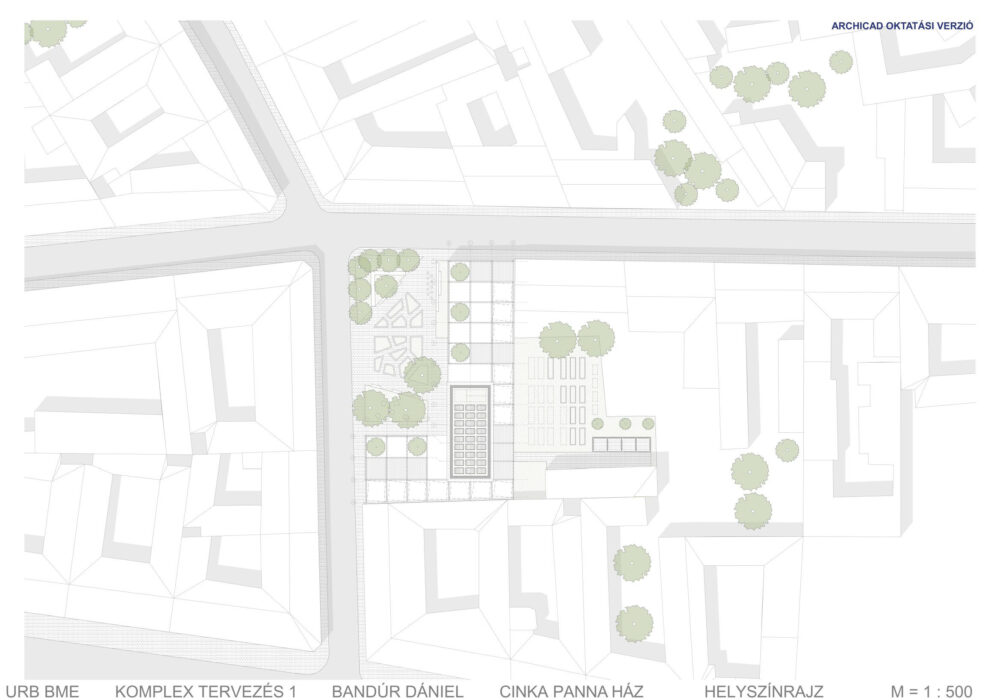
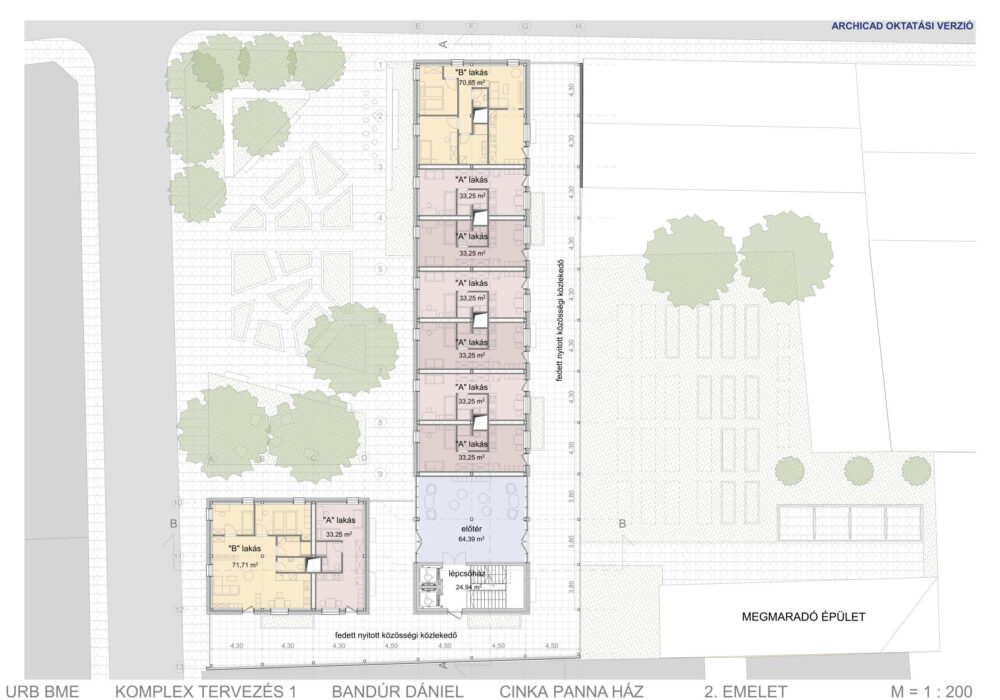
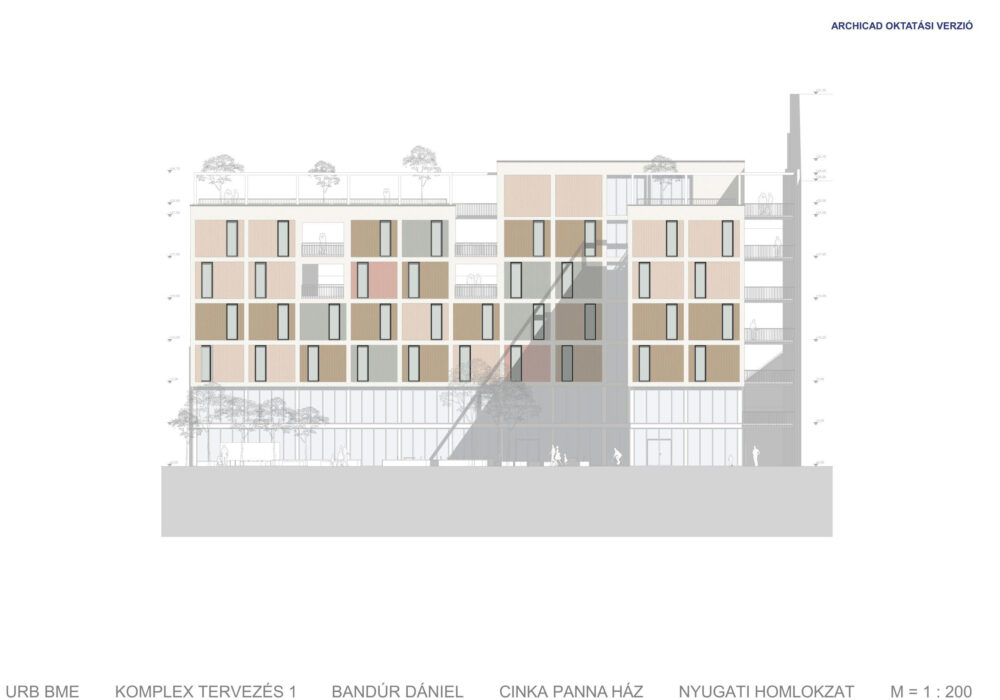
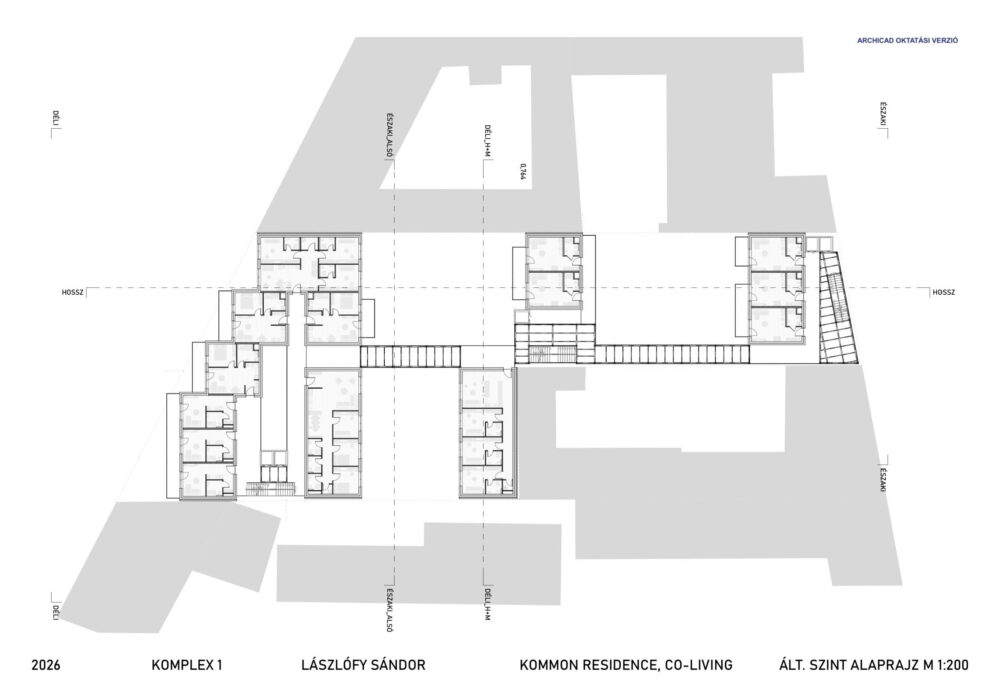
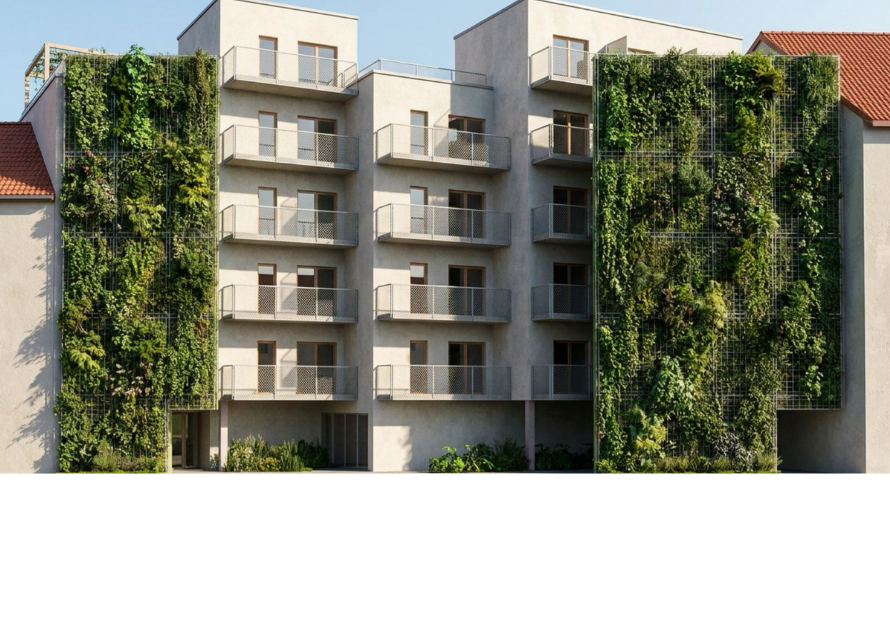
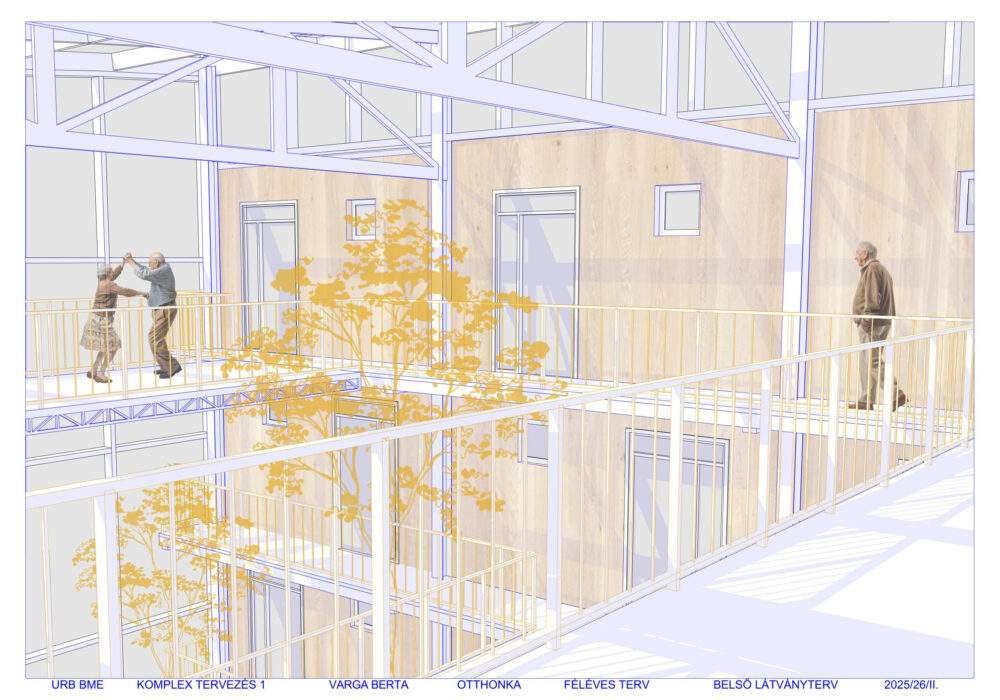
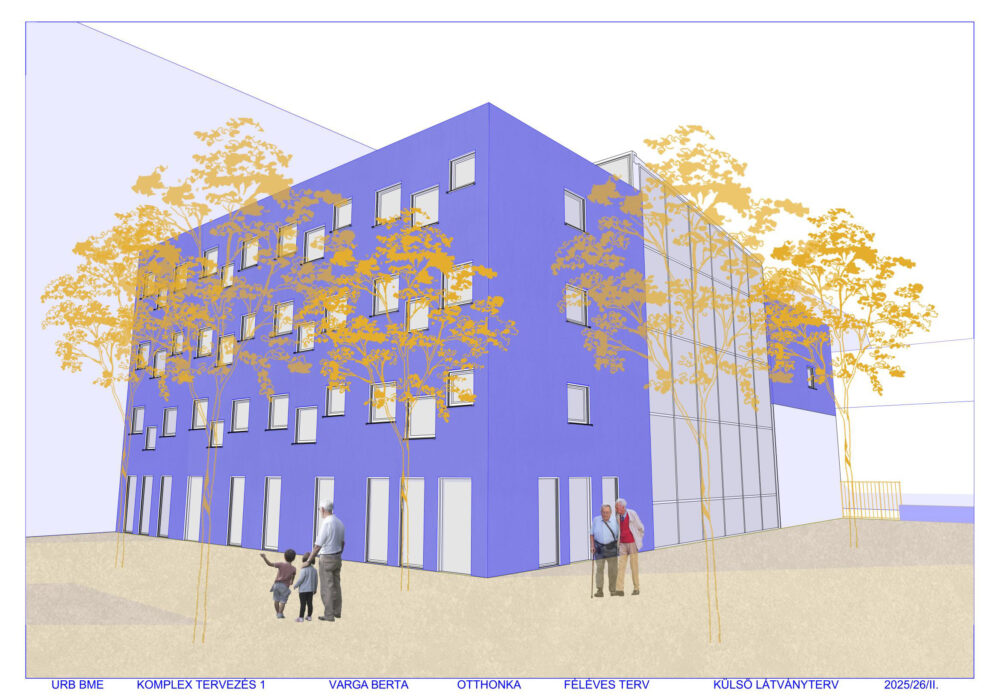
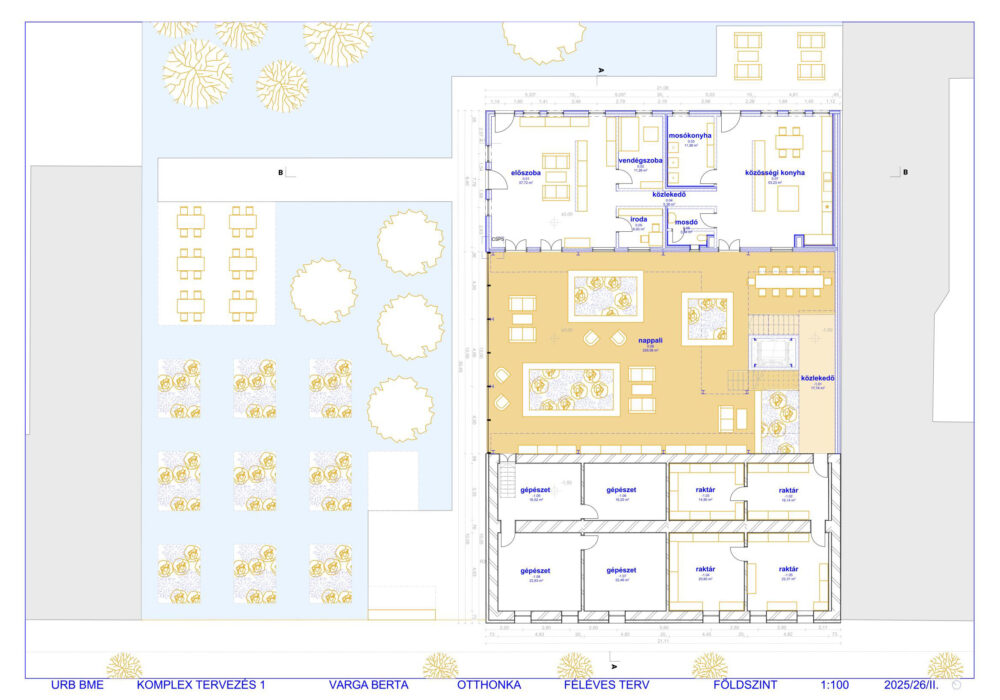
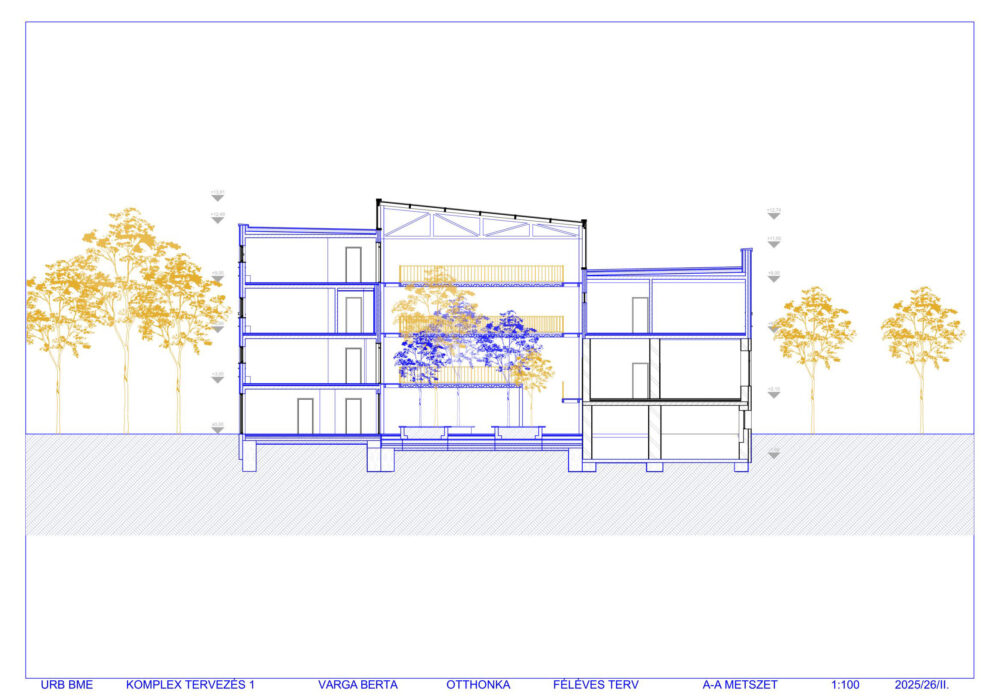
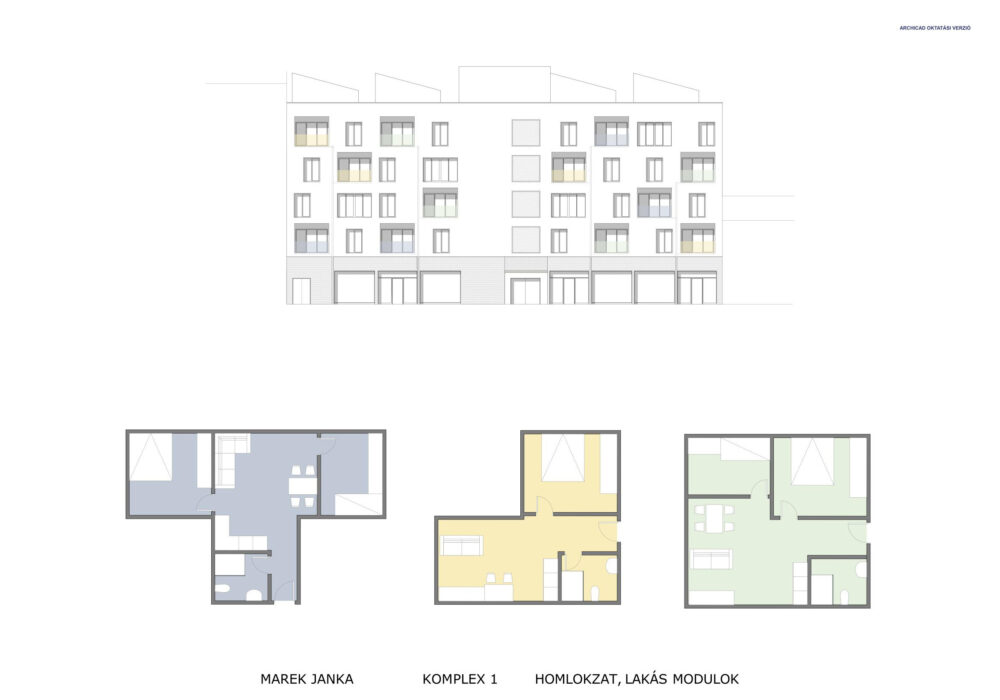
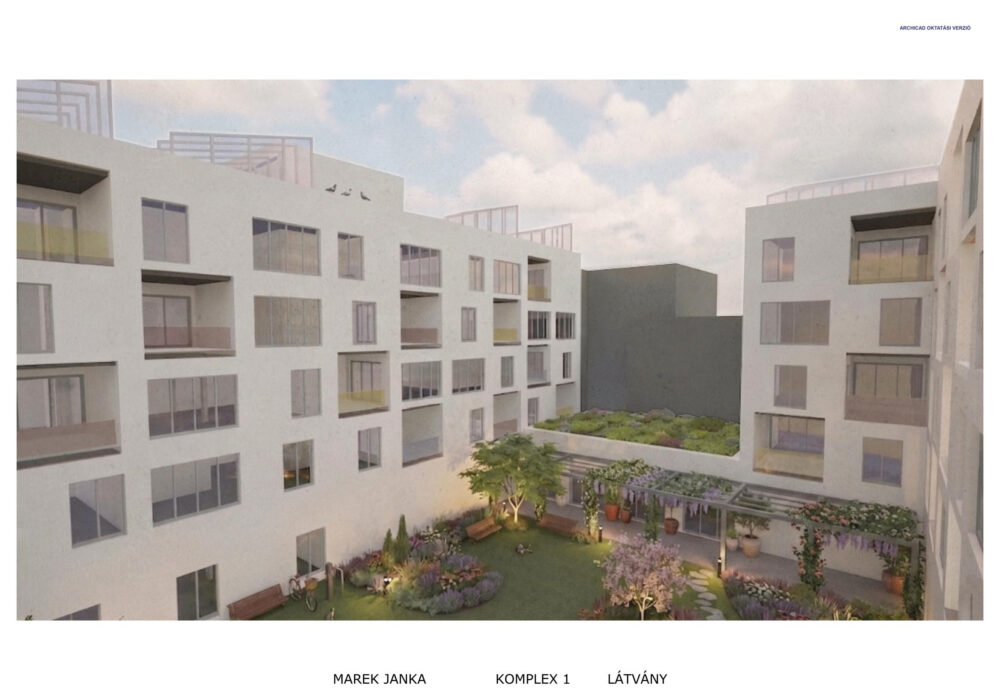
The UFLAB studio is exploring what the city will look like after 2050. We’re taking the conditions that will have emerged by 2052 as our baseline. Two studios are taking on the 2026 Complex tender, exploring Budapest’s future at locations in Józsefváros. Why Józsefváros? Because, on the one hand, it’s one of Budapest’s most interesting and coolest areas (districts), and on the other hand, it will celebrate its 250th anniversary in 2027. One of Pest’s earliest settlements, it became an independent district in 1777—naturally, as was customary at the time, named after one of the Habsburgs! The studio’s goal is to design a building complex that responds to the future, but with a slightly different interpretation of a building’s complexity: the emphasis is not on the building itself, but on the thinking that gives rise to it.
A lot of things are changing in the urban landscape; the known physical fabric is being reevaluated at a tremendous pace, new technologies are being introduced, transportation is changing, and buildings are striving to meet new climate requirements—all while we want our well-known houses to remain unchanged, just the way we love them. The physical fabric—streets, squares, infrastructure, and houses—is built for the long term, while we humans are evolving at breakneck speed.
Personal and interpersonal spaces are mediated by tools based on AI applications, shaping our perception of the outside world, our relationships with one another, the use of public spaces, and even our behaviors. Changed commercial, shopping, and work habits influence the use of space, its intensity, and its temporal structure; and the rhythmic shifts between quiet and crowded periods are becoming more pronounced; yet physical spaces struggle to keep pace with these changes, since, on the one hand, we have overbuilt our cities, and on the other, not everyone can find their place in spaces with predetermined uses.
The real dilemma is how to take into account the interactions between space and groups of people, since increasingly closed groups are forming—whether we like it or not—and these groups shape how we use space and our relationship to it.
Complex Design Studio 1 – 2026
Tutors: prof. Dr. György Alföldi DLA, Botond Zsolt Dobos DLA, Tamás Fenes DLA, Tamás Vörös DLA
[Students: Dániel Bandúr / Ádám Czunyi / Sára Fukk / Péter Merse Gyepes / Sándor Kis / Laura Kovács / Sándor Lászlófy / Anna Lustyik / Janka Marek / Dominik Nagy / Péter Simon Nabilek / Brigitta Nagy / Máté Orosz / Bálint Pocsai / Dániel Szabó / Berta Varga / Zsófia Veliczky / Zsolt Zsidró]In association with: Municipality of Budapest #8 District, Józsefváros