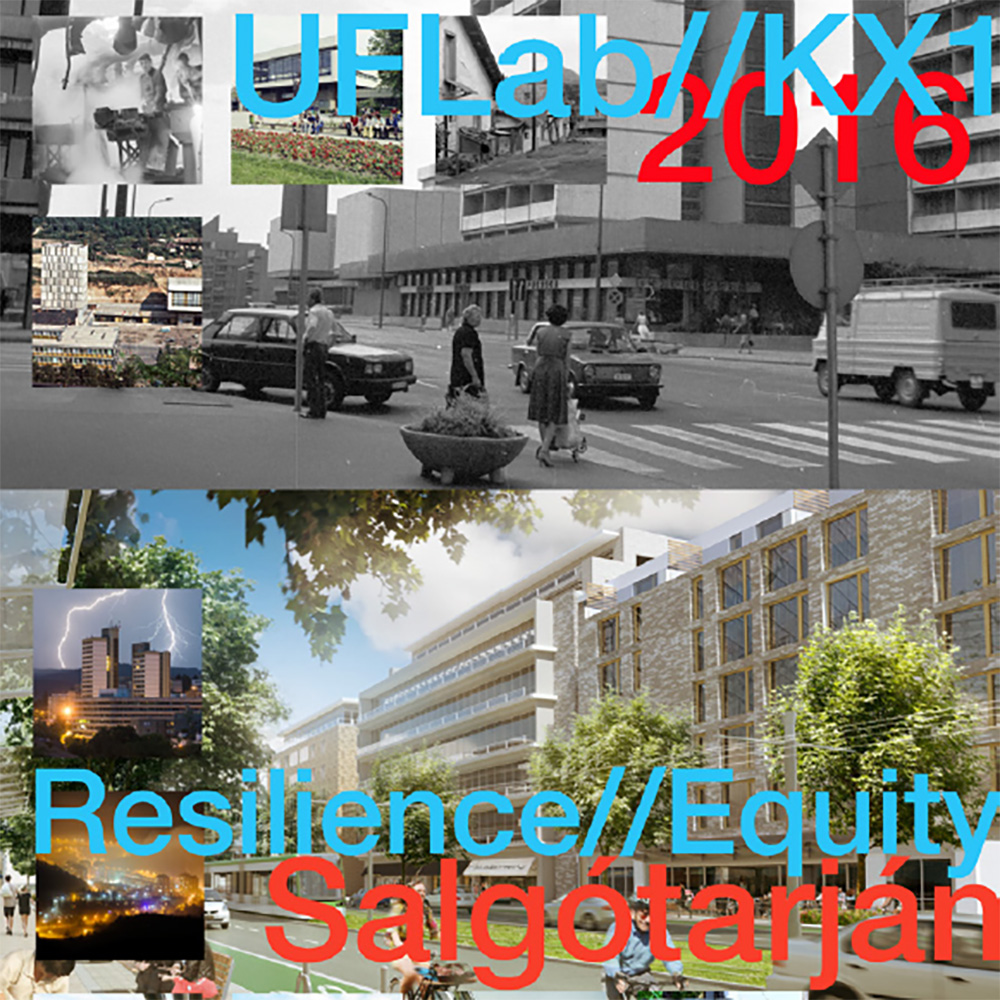
COMPLEX DESIGN STUDIO /1 – 2016 – RESILIENCE & EQUITY
The university design course focused on two important capabilities of cities – resilience and equity.

Consultants: György Alföldi DLA & Peter Bach DLA
[students: Balázs Bálint, Bölöni Botond, Esztergályos Tünde, Fehér Orsolya, Gacsályi Kinga, Gallyas Luca, Hajdú Csongor, Kovács Petra, Marosi Péter, Magyari Ábel, Posta Ferenc, Szkiba Vera, Somogyvári Tünde, Varga Péter]

The Natural Future – Pesterzsébet – UCL research

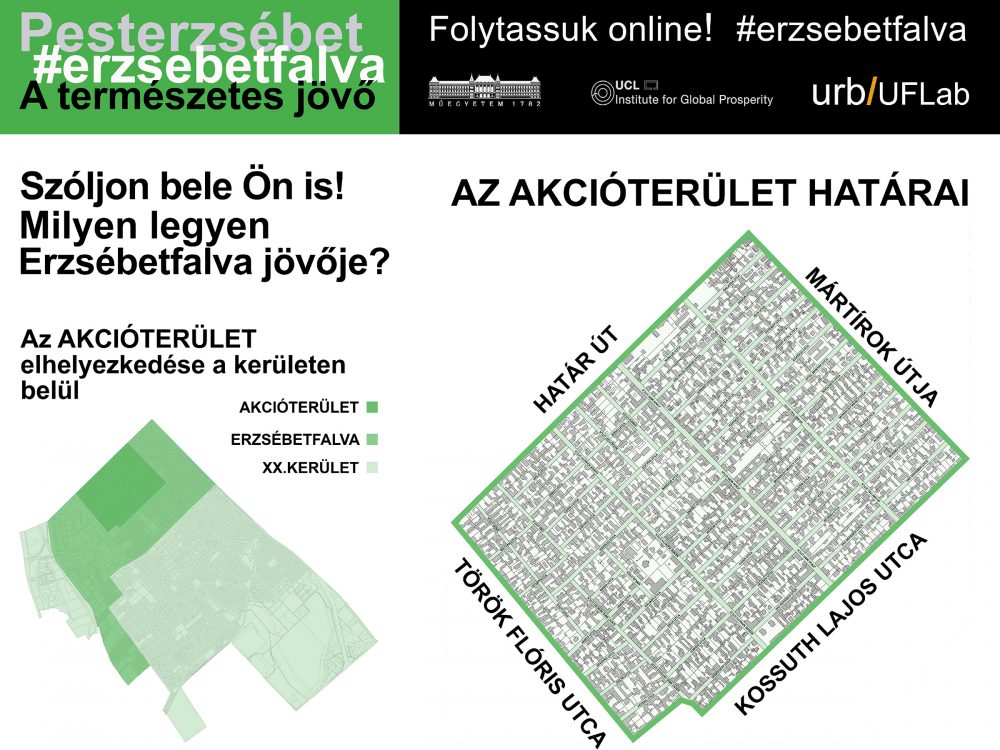
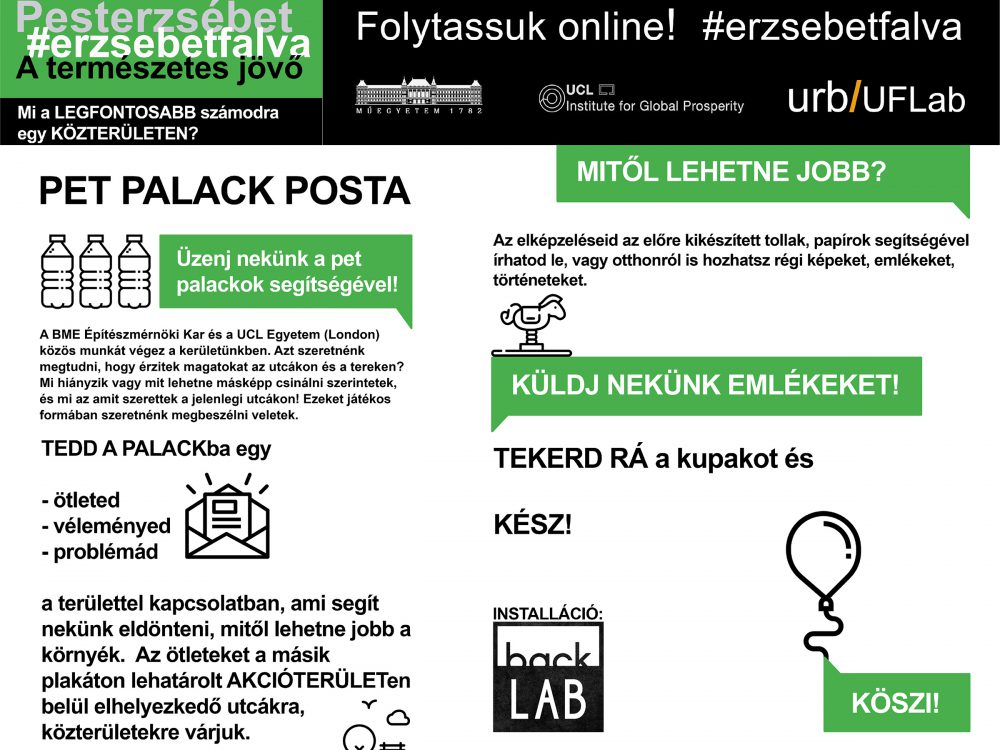
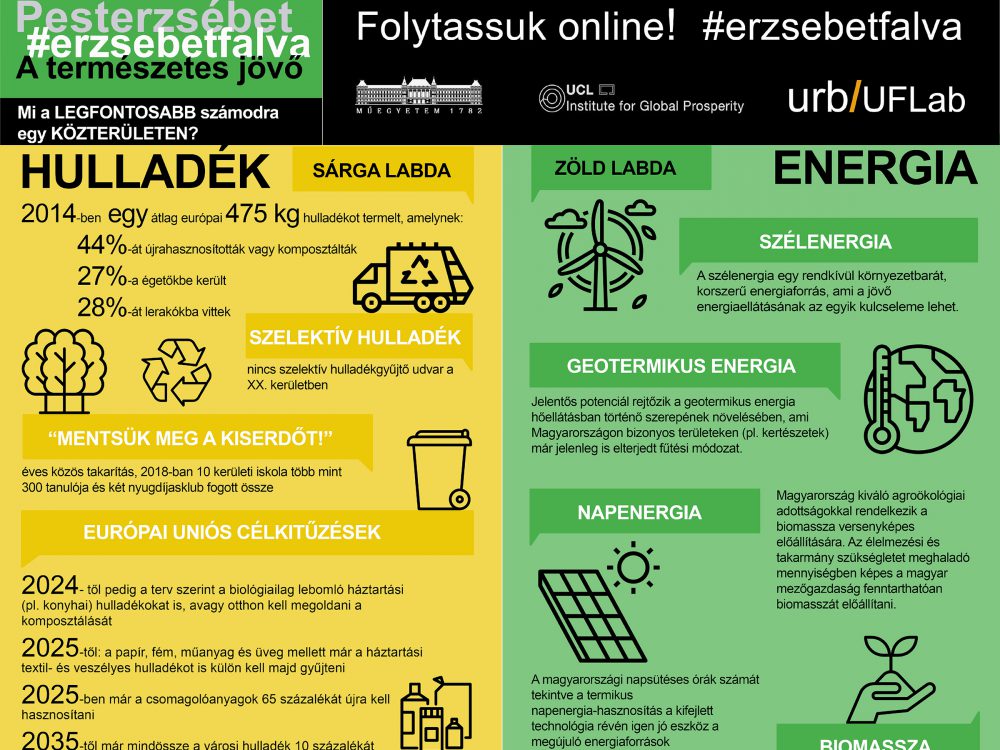
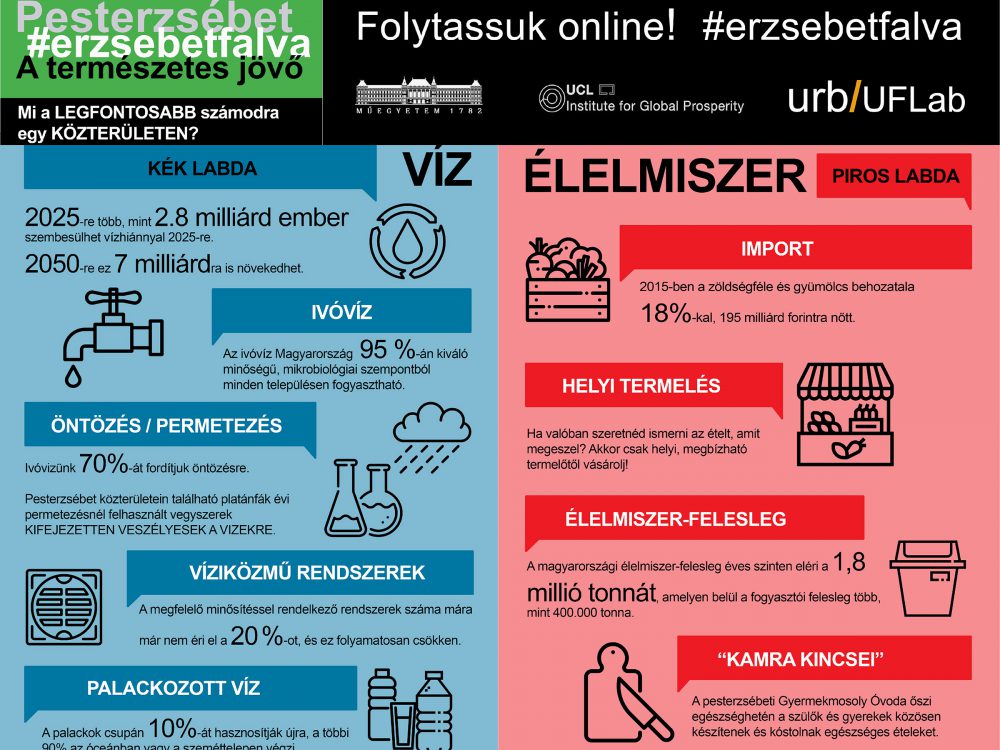
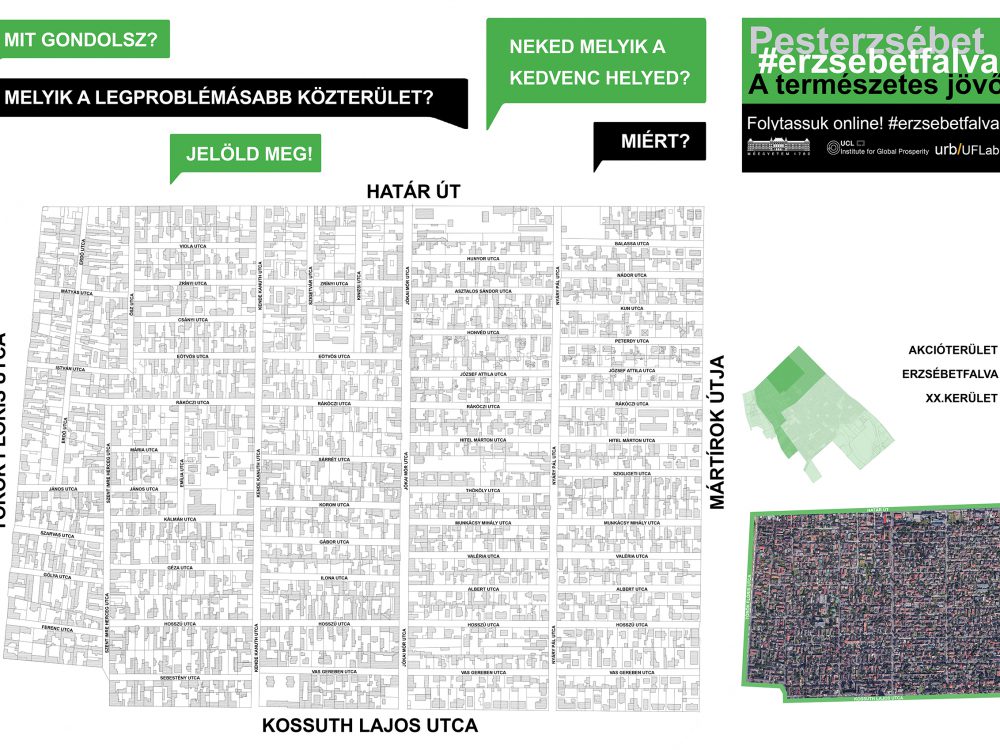
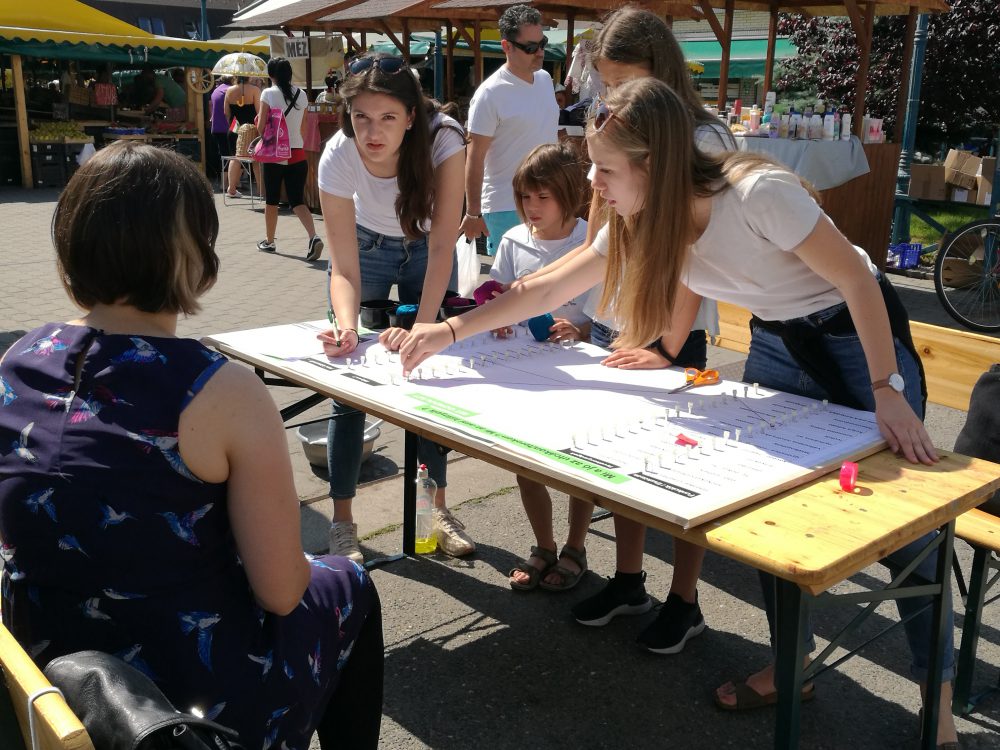
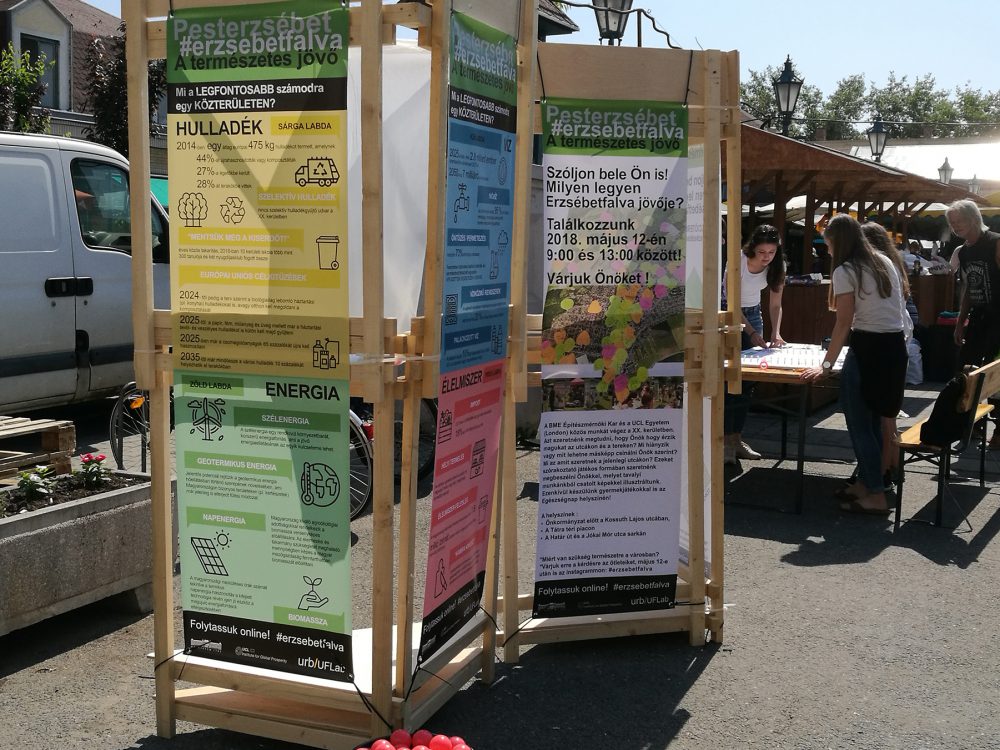
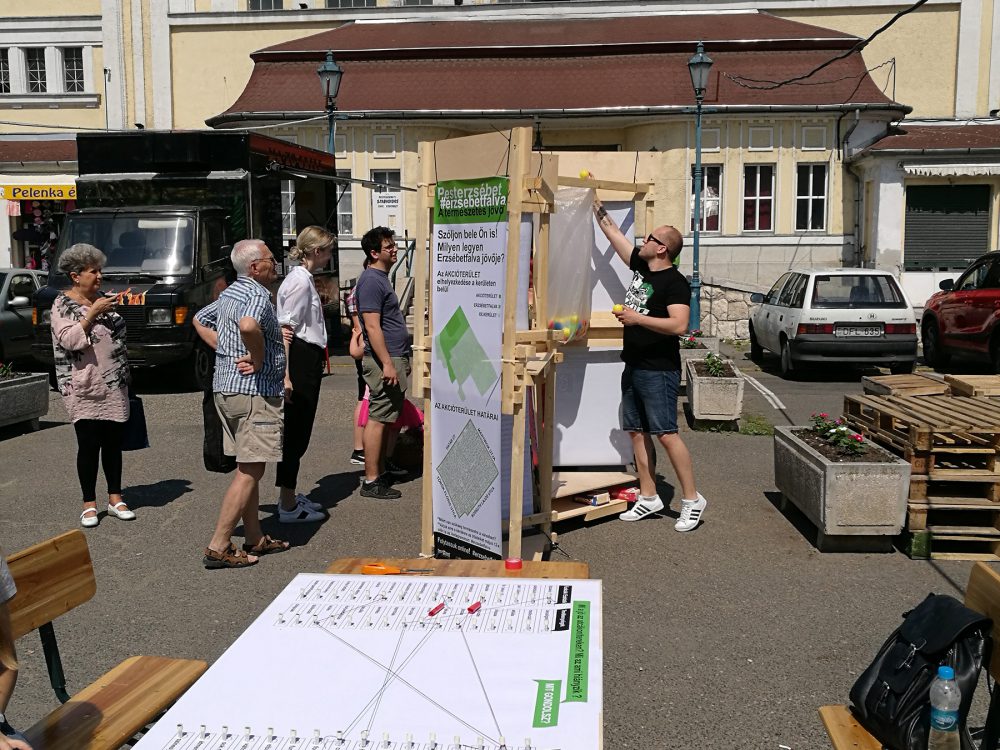
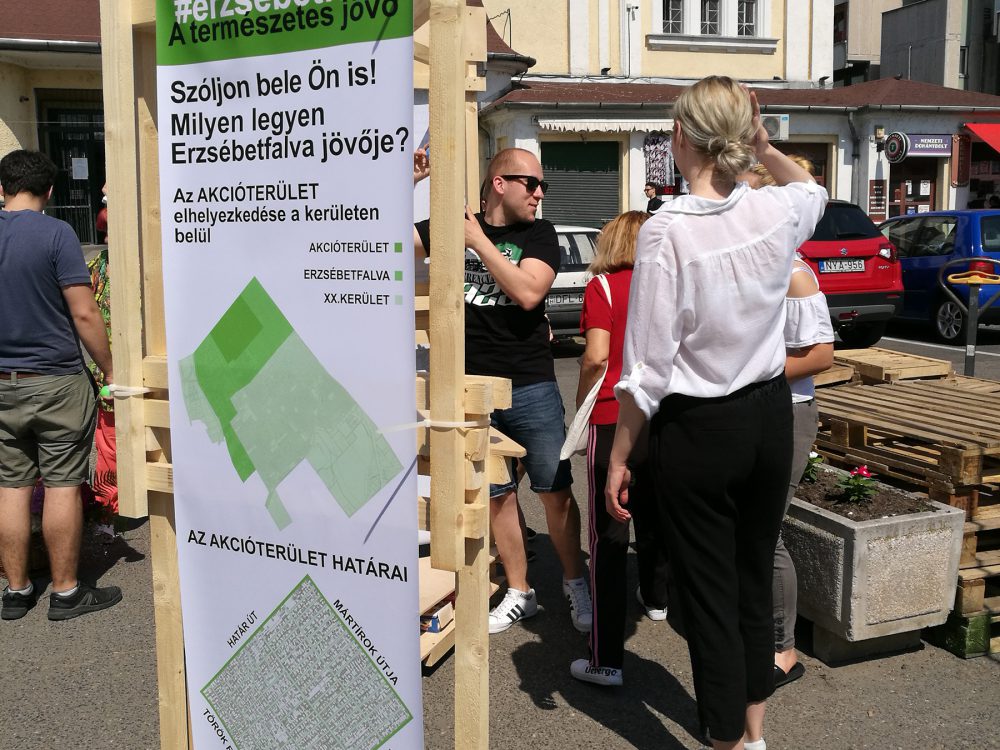
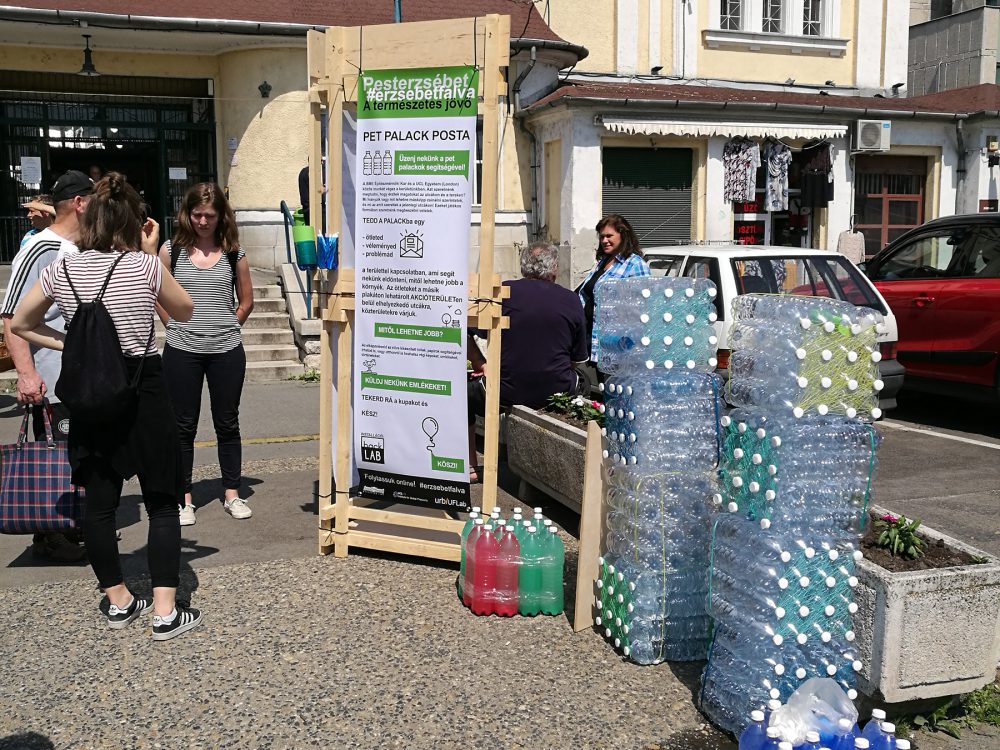
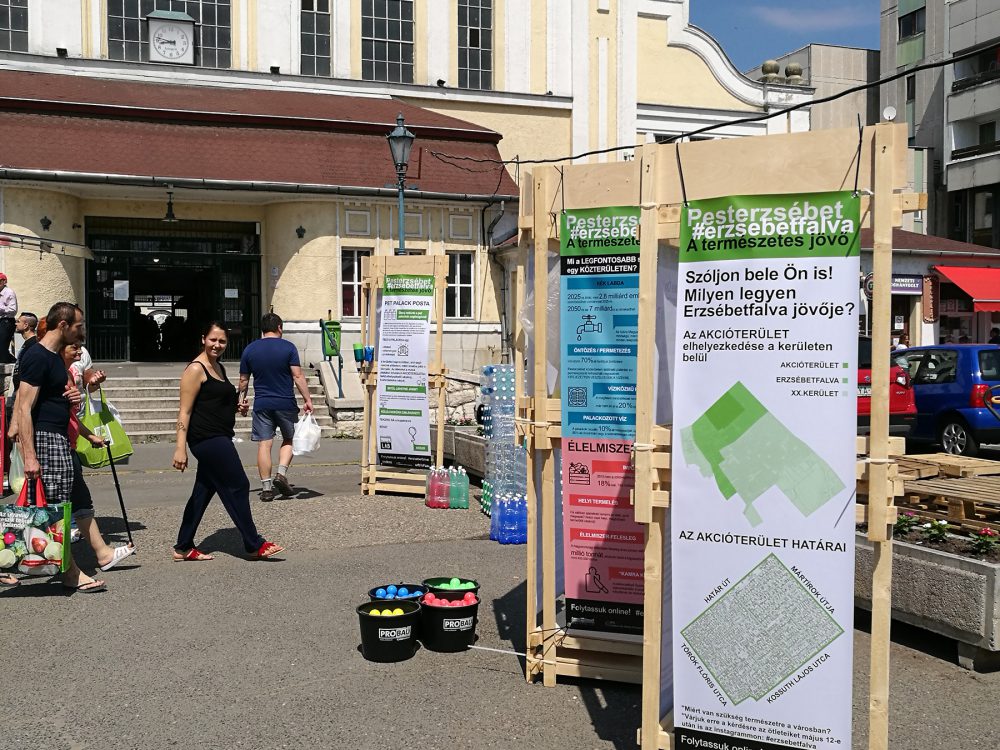
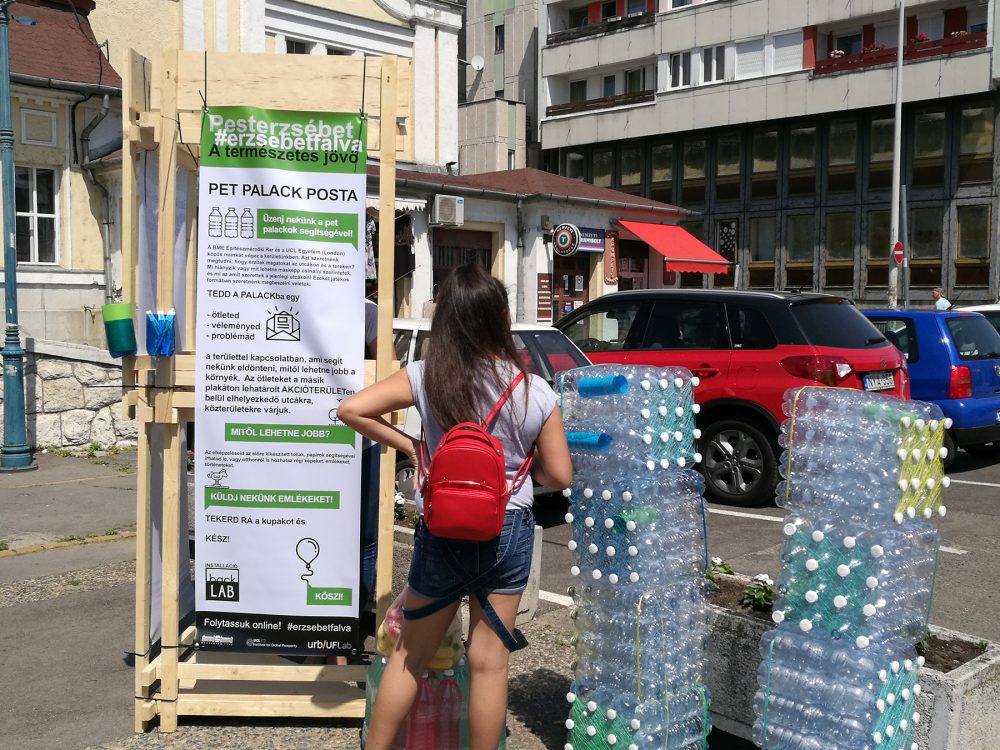
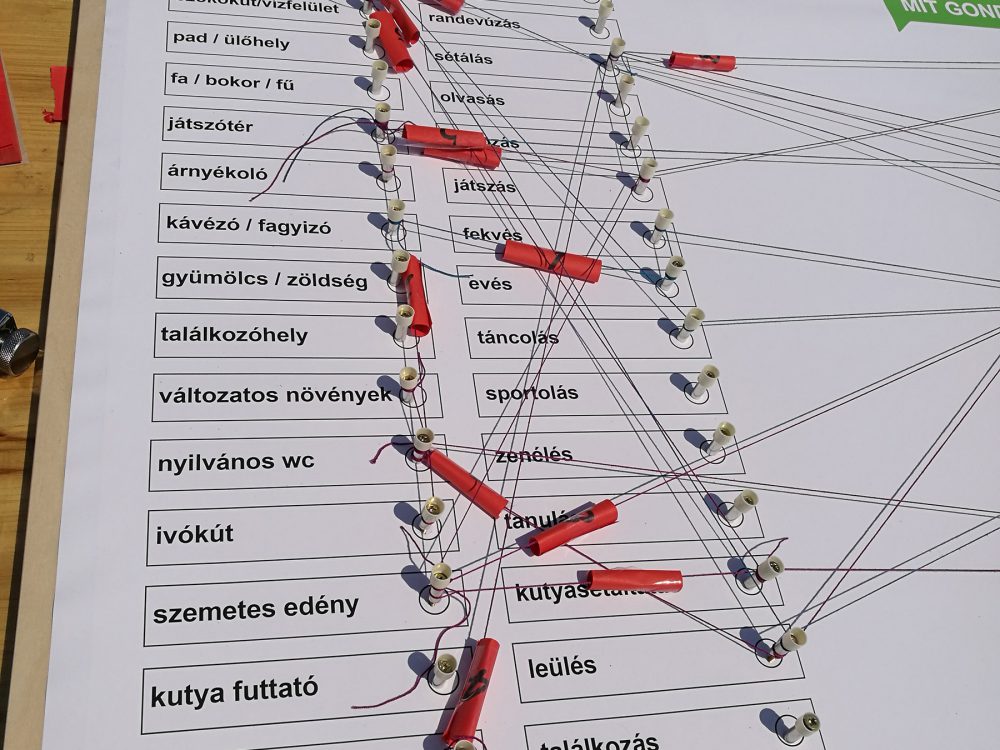
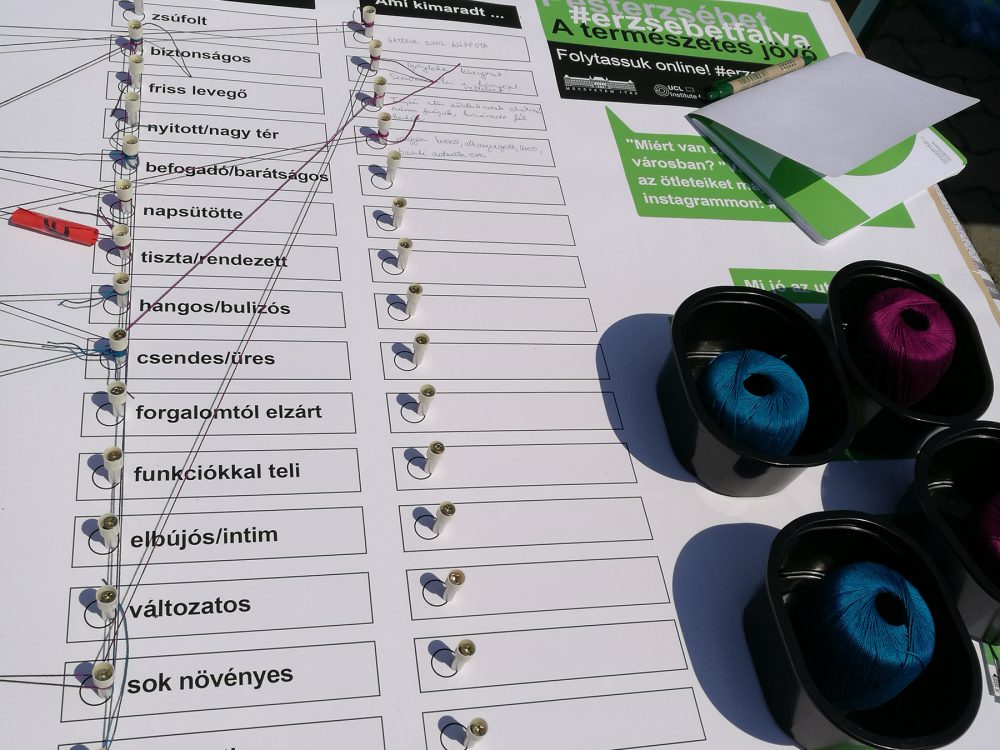
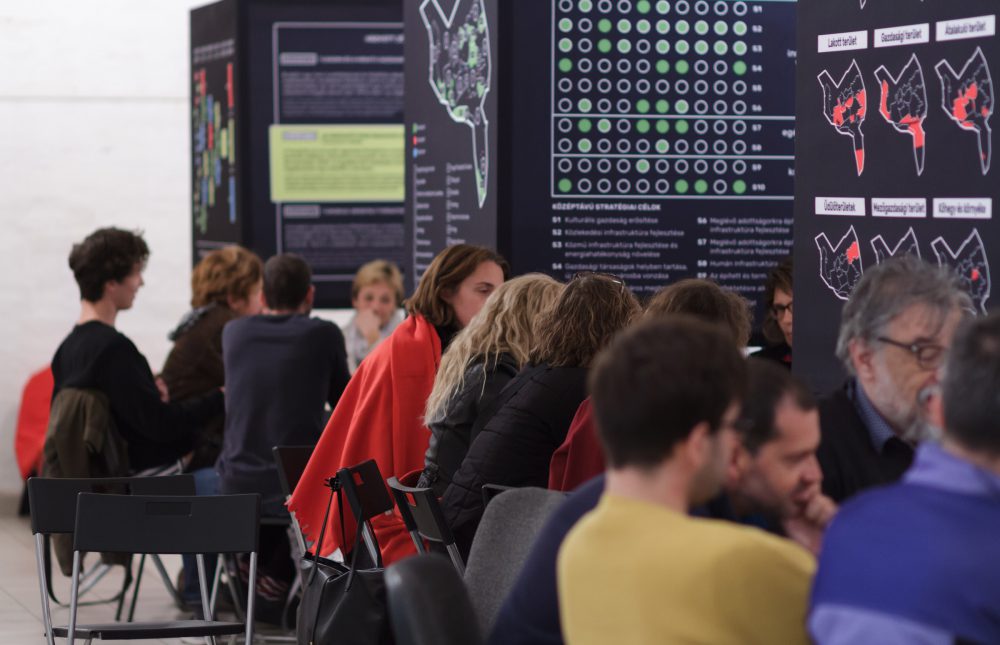
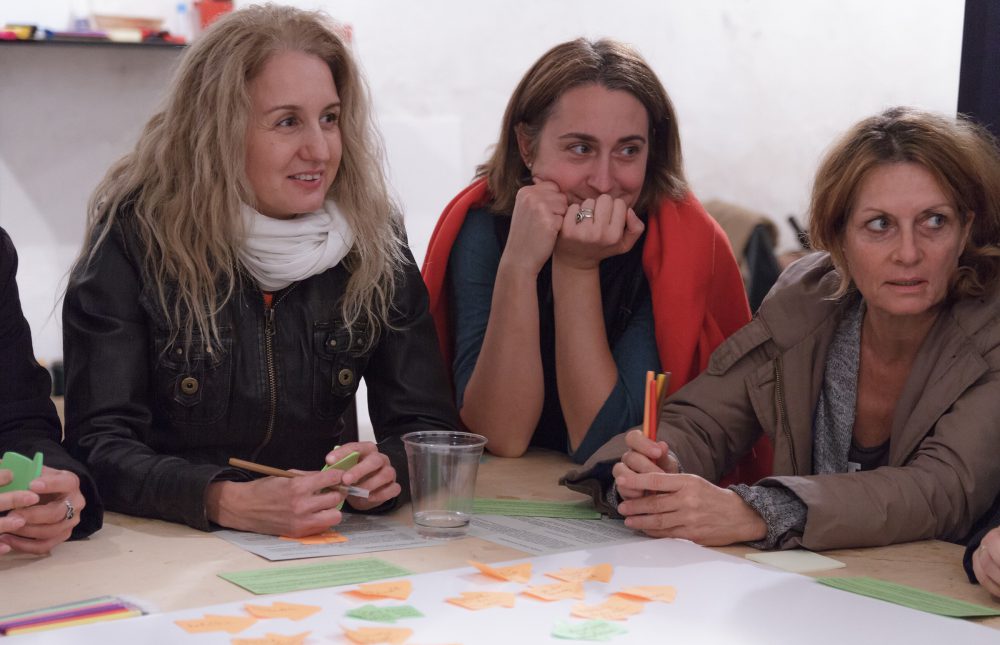
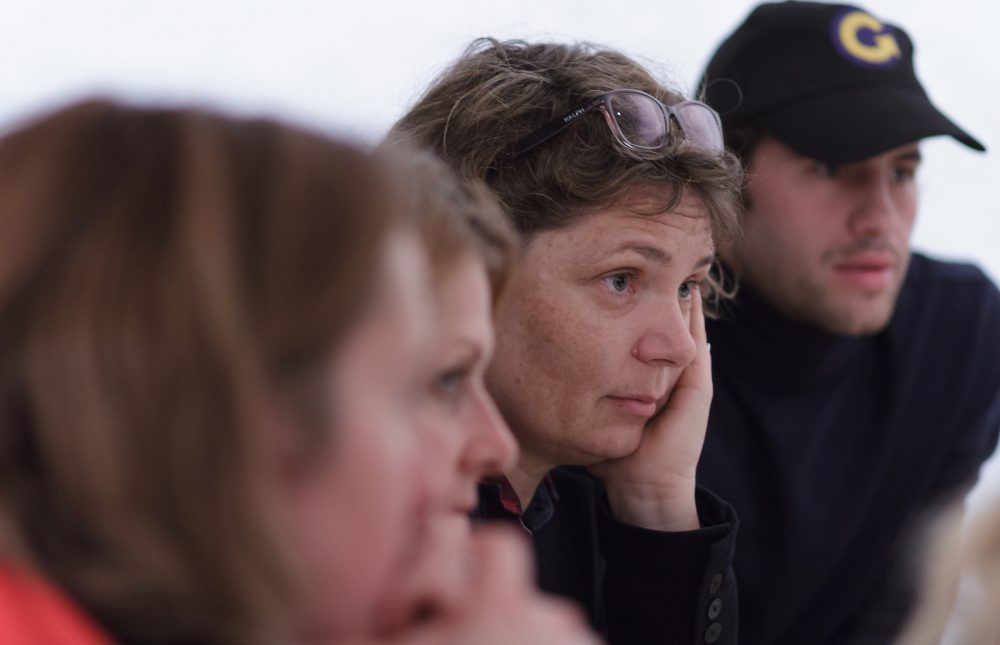
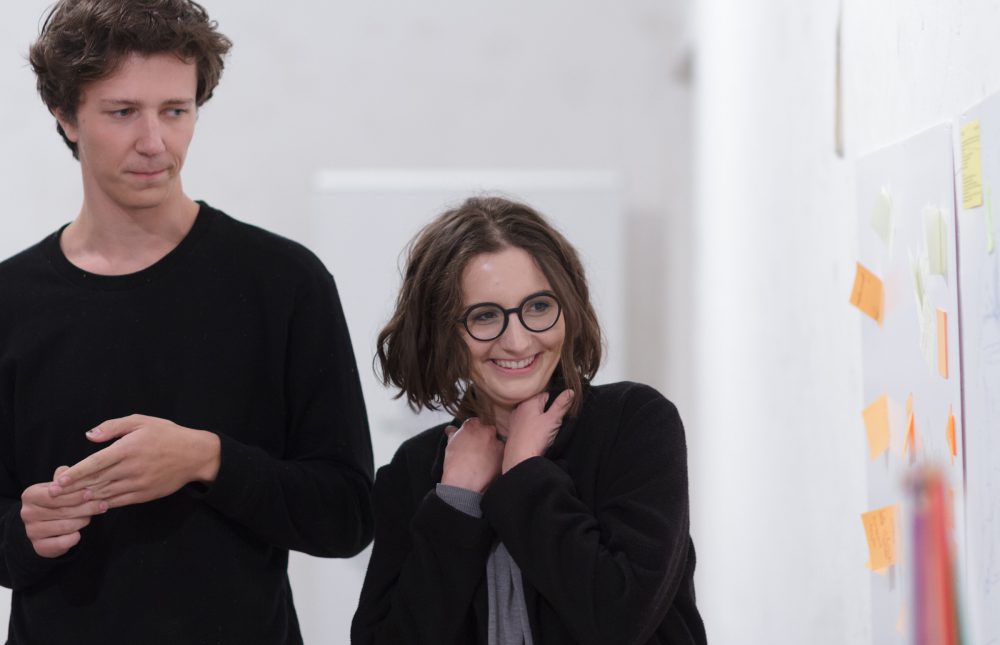
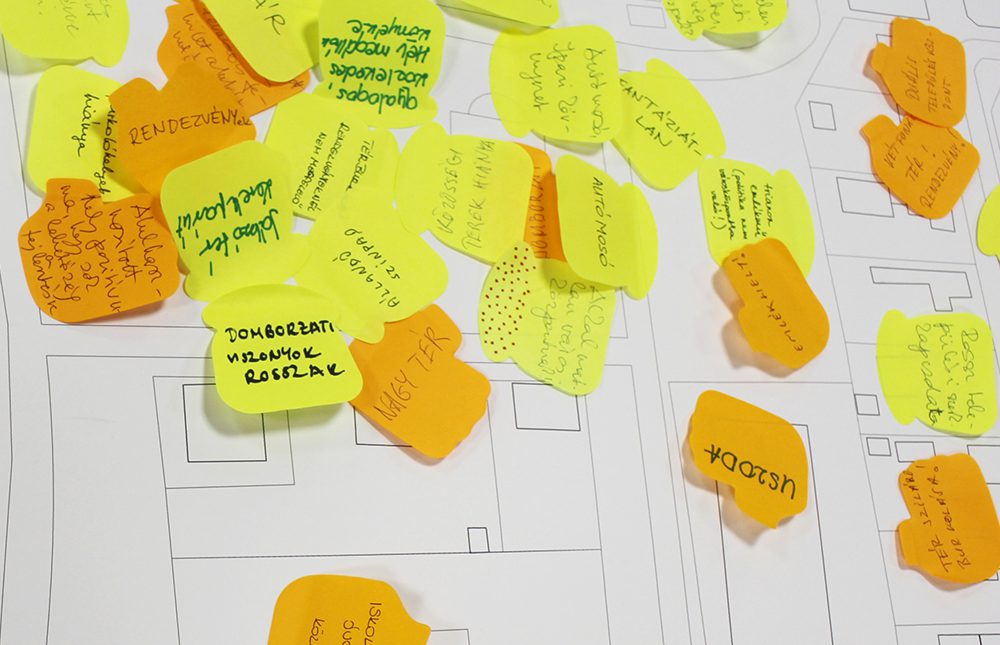
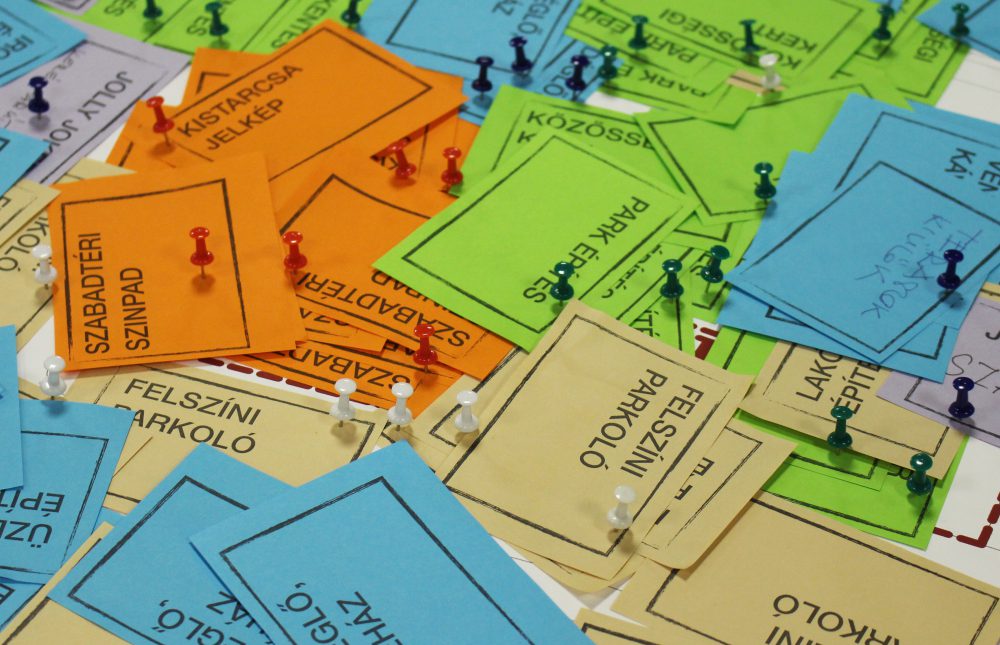
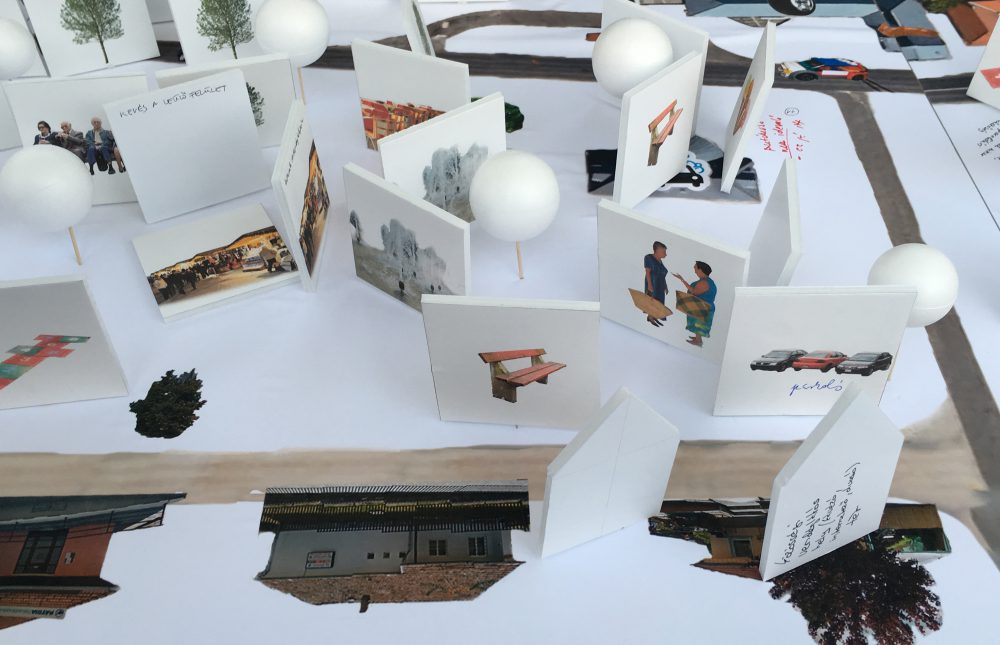
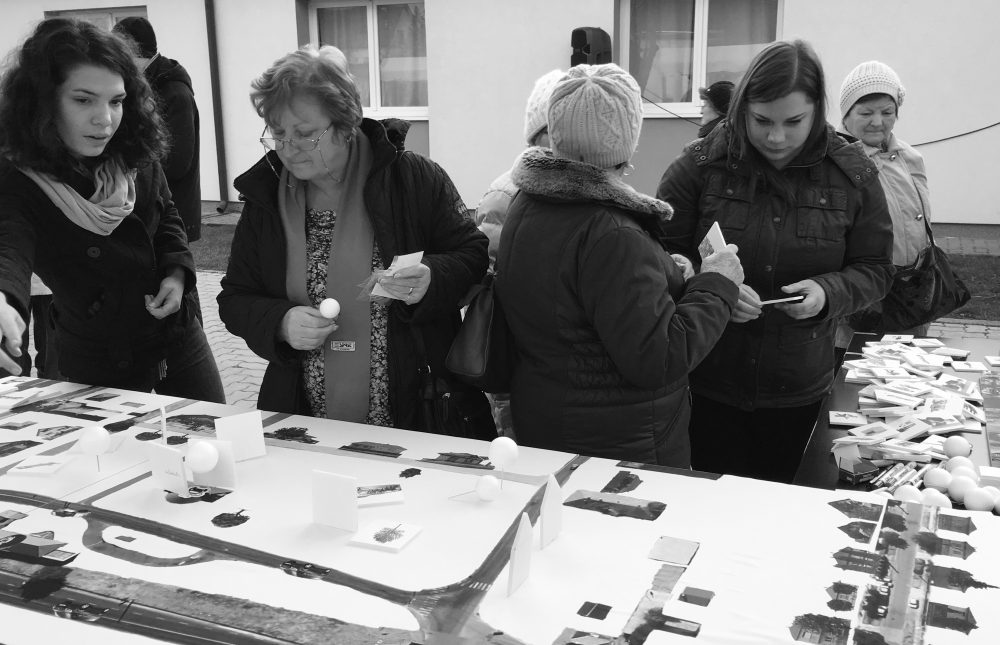
Within the framework of the entire Pesterzsébet’s project, UFLab organized a public participation on-site event with the Complex Design Studio 1 students. Nikolett Puskás – who is a PhD student at the Institute for Global Prosperity at UCL University College London (UCL) – joined our team with her research, which focuses on various aspects of the using modes of Erzsébetfalva’s public spaces.

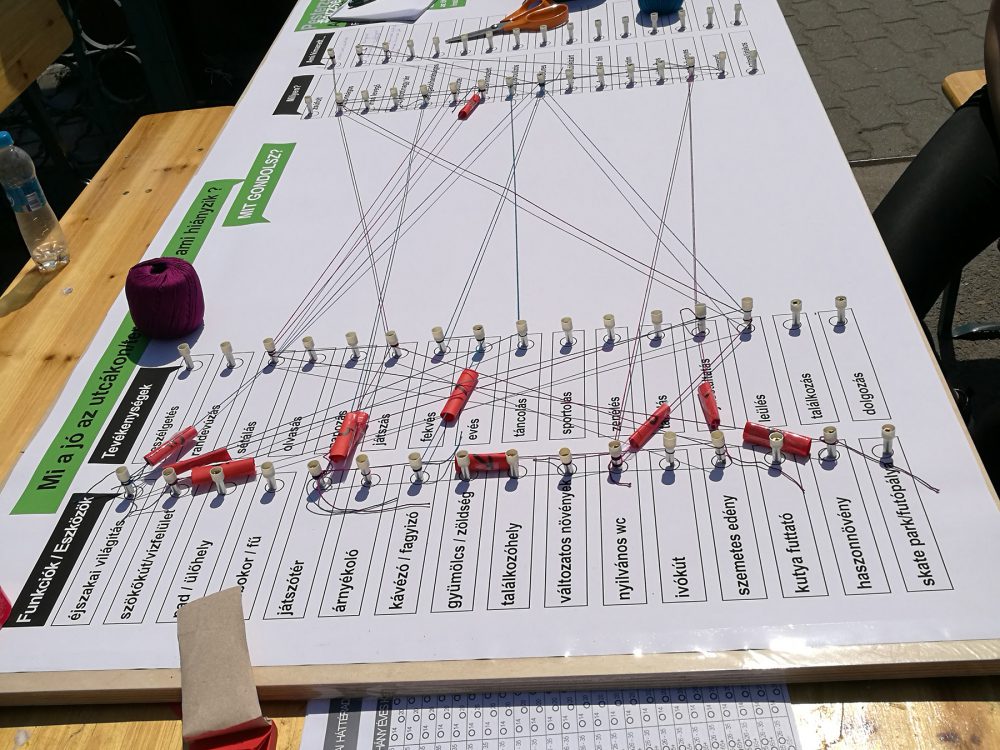
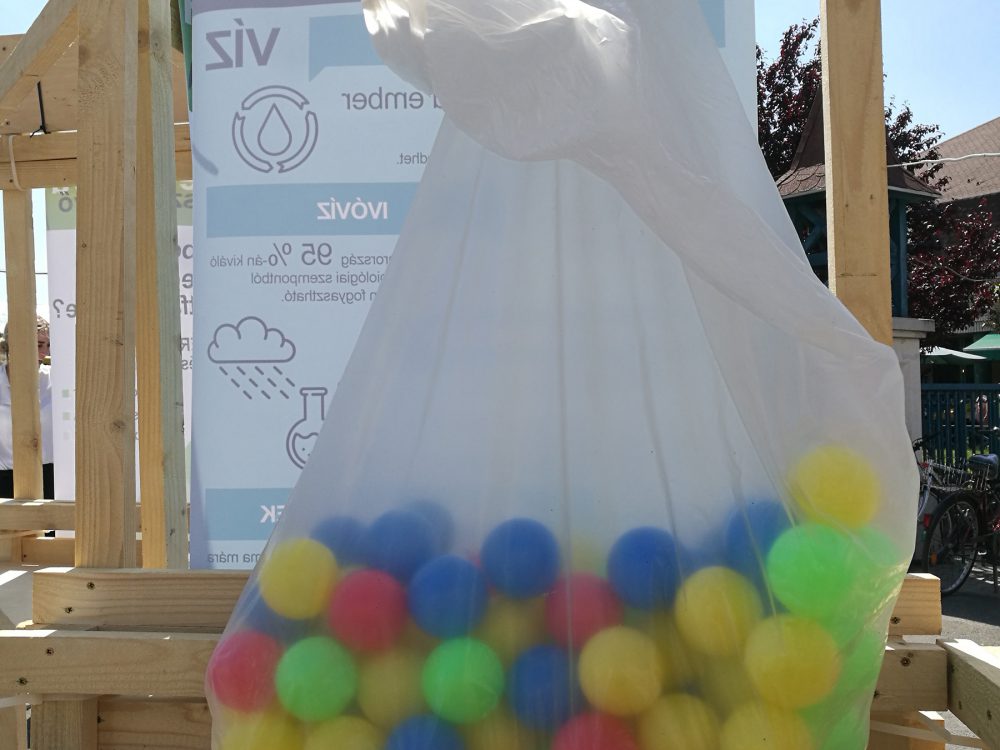
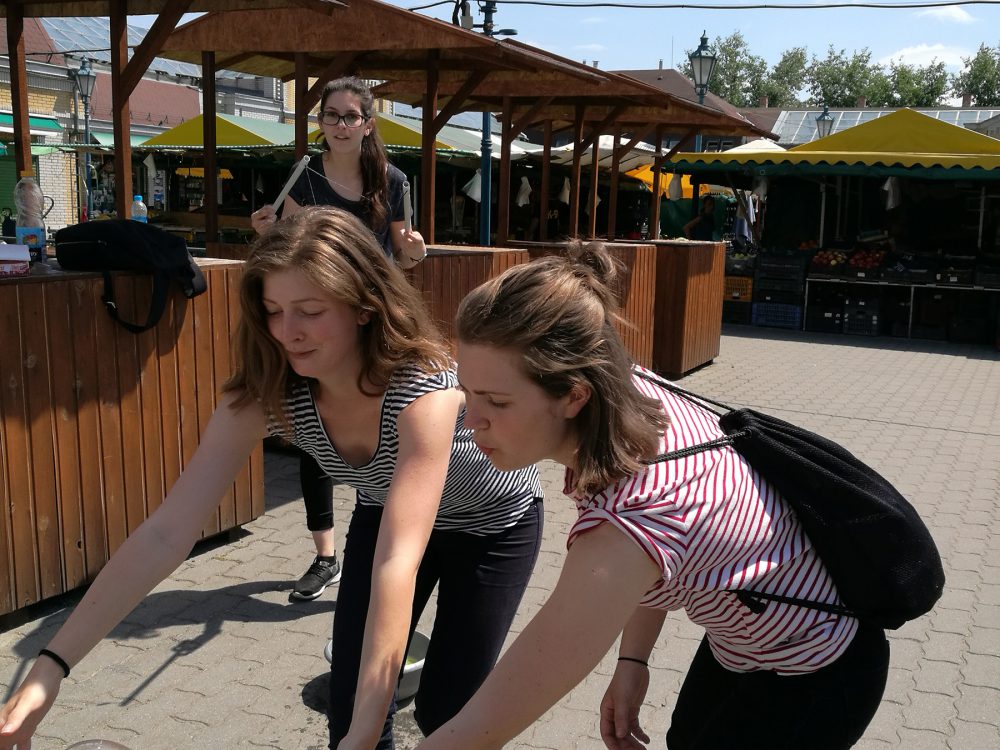
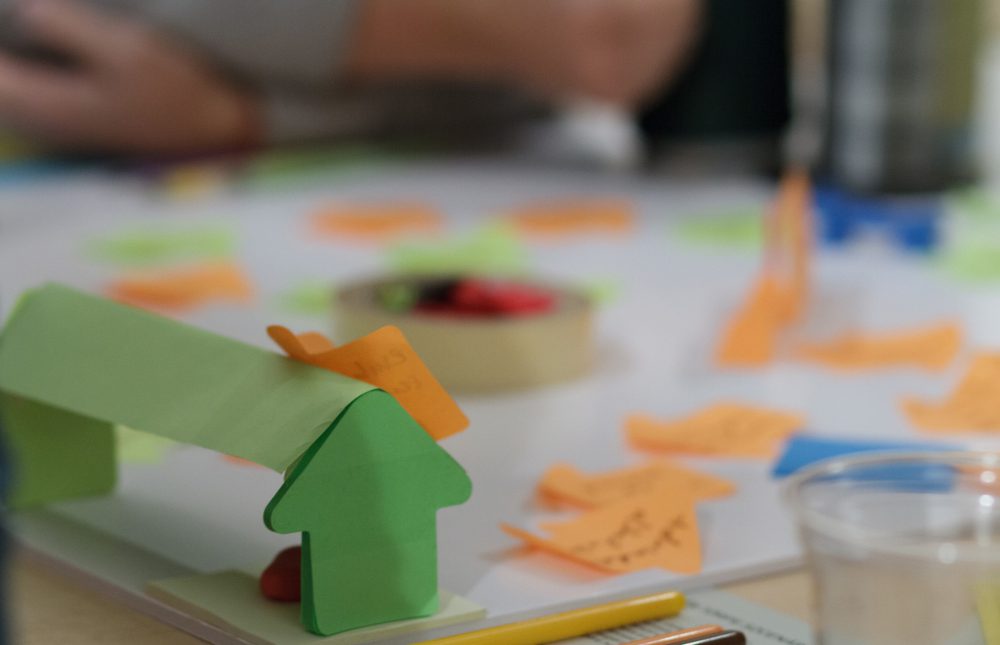
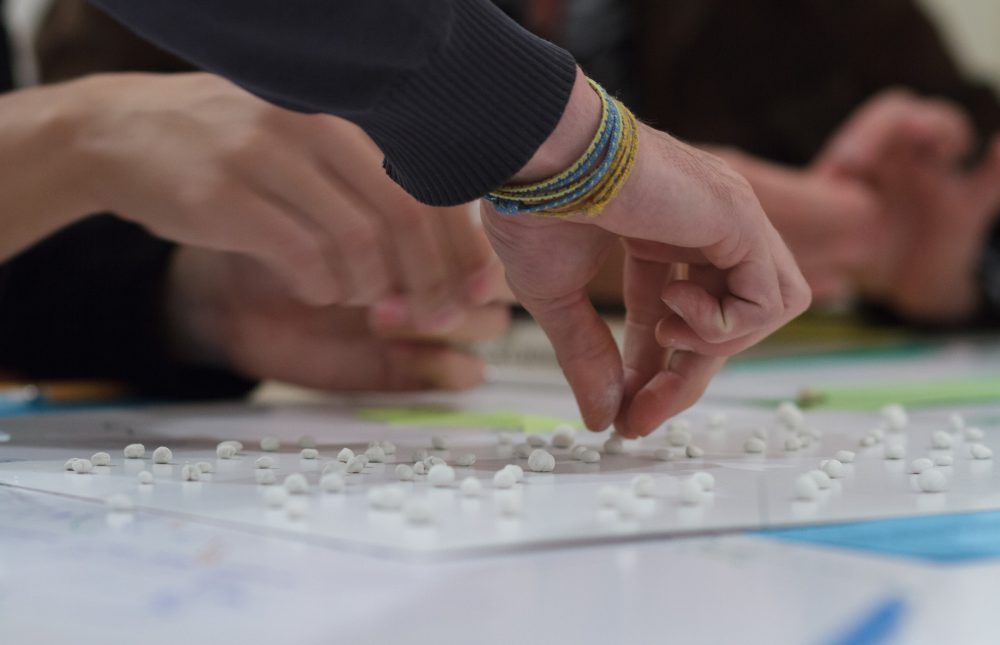
To facilitate the “public dialogue” we appeared at two locations simultaneously within the action area – in the Tatra Square market and on Kossuth Lajos Street, joining a local Outdoor Health and Sports Day event – and we applied gamified participatory planning tools in order to reach out to the local residents.

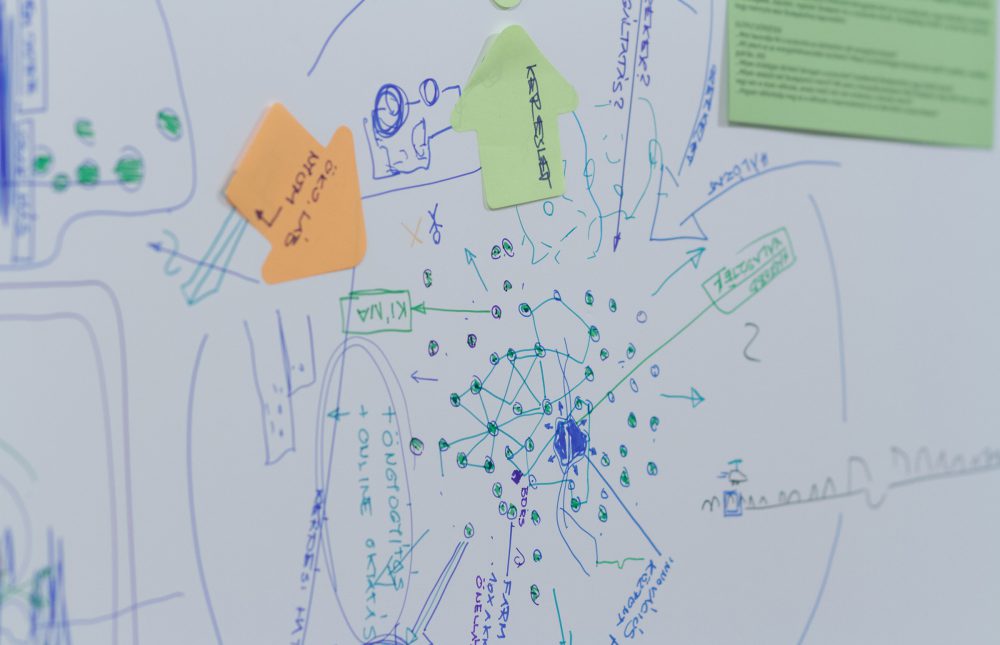
The opinions, suggestions and experiences gathered during the event were incorporated into the plans of the students and Nikolett also used them in her research.

Public Participation, gamification and UCL Research
Consultants: prof. György Alföldi DLA, Olívia Kurucz, Nikolett Puskás (UCL)

Complex Design Studio 1 – 2018
Consultants: prof. György Alföldi DLA, Tamás Vörös DLA, Tamás János Pintér
[students: Csukás Fruzsina, Decsák Petra, Éliás Dorottya, Futó Lili, Gombos Attila, Göőz Alexandra, Kálmán Adrienn, Kopacz Noémi, Lajtos Levente, Murányi Zita, Nagy Dóra, Ondi Boglárka, Pokol Júlia, Sörényi Zsófia, Szabó Bálint, Tálosi Lilla, Tátrai Anna Flóra, Tóth Tünde, Ürmös Eszter, Viszló Enikő]


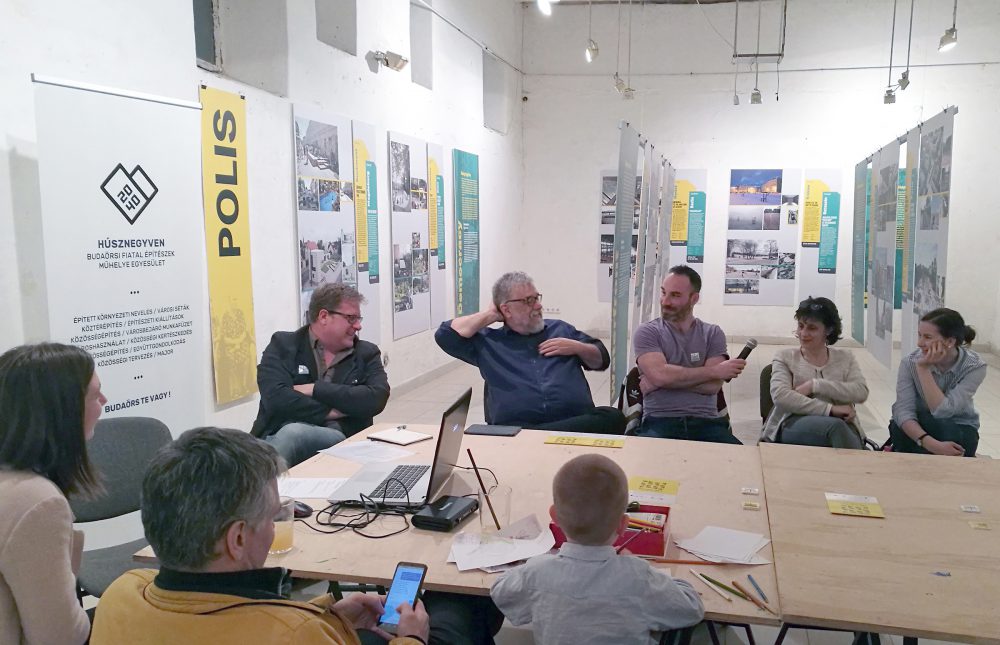
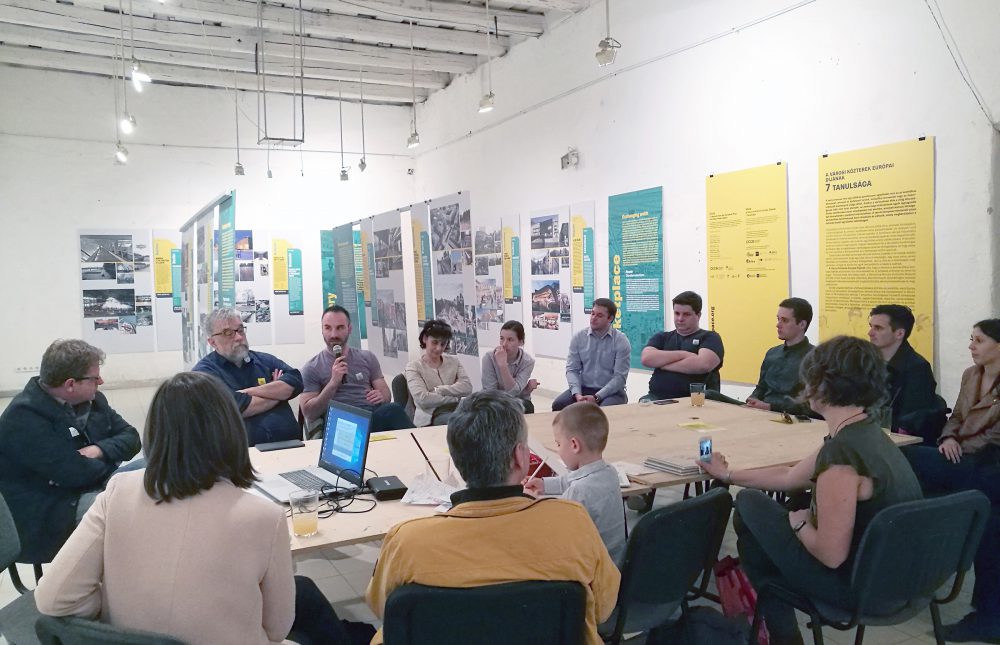
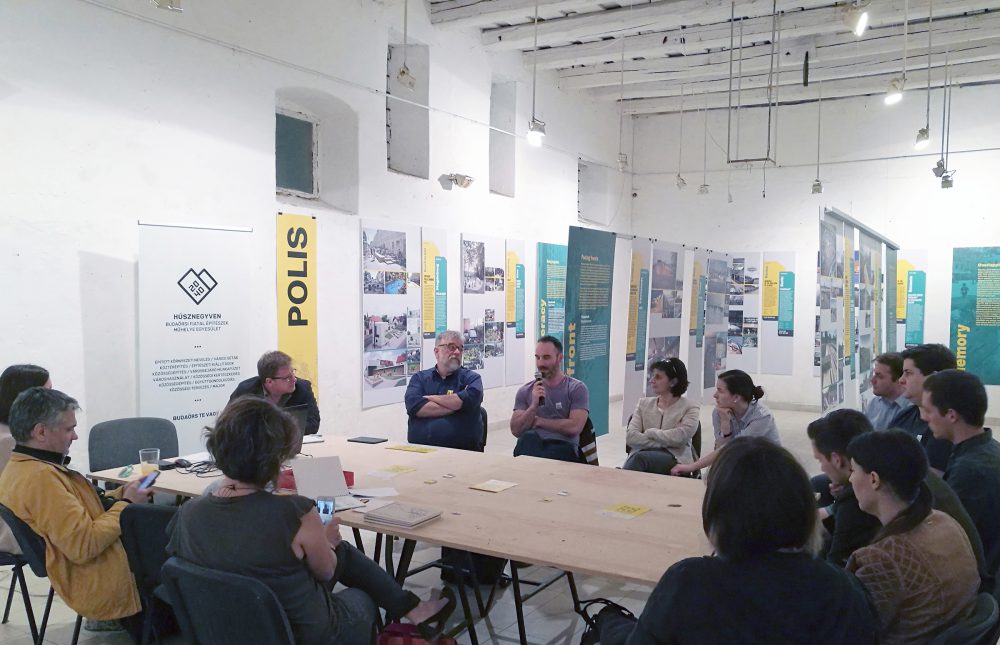
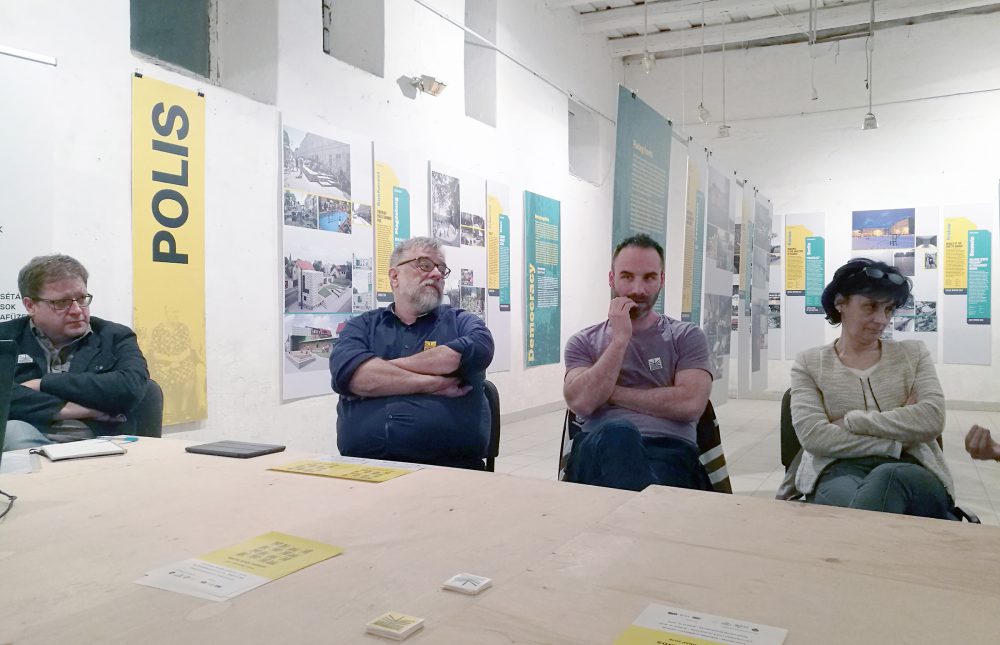
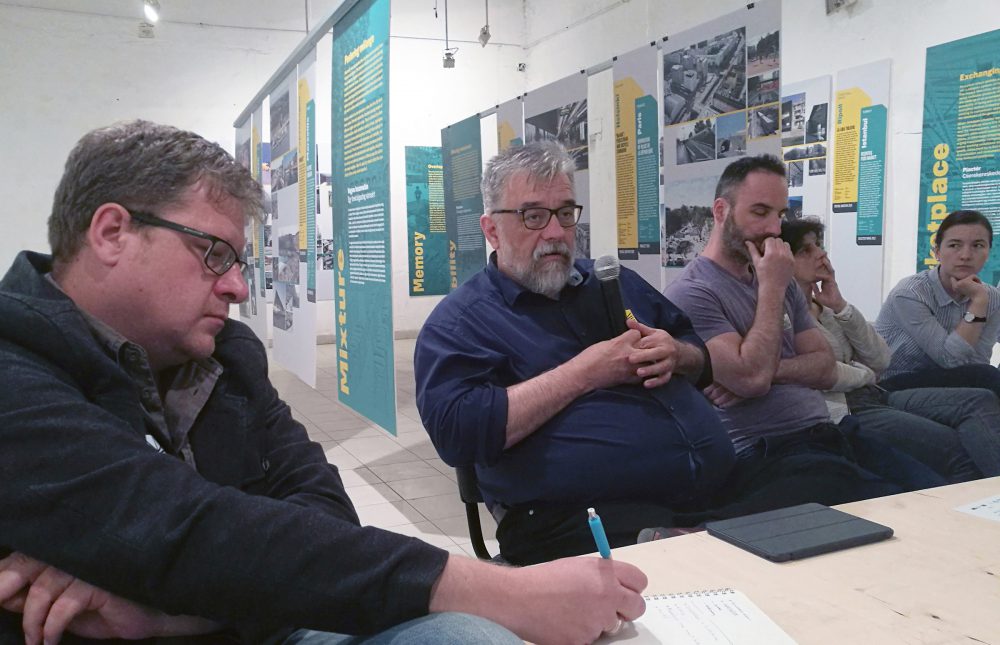
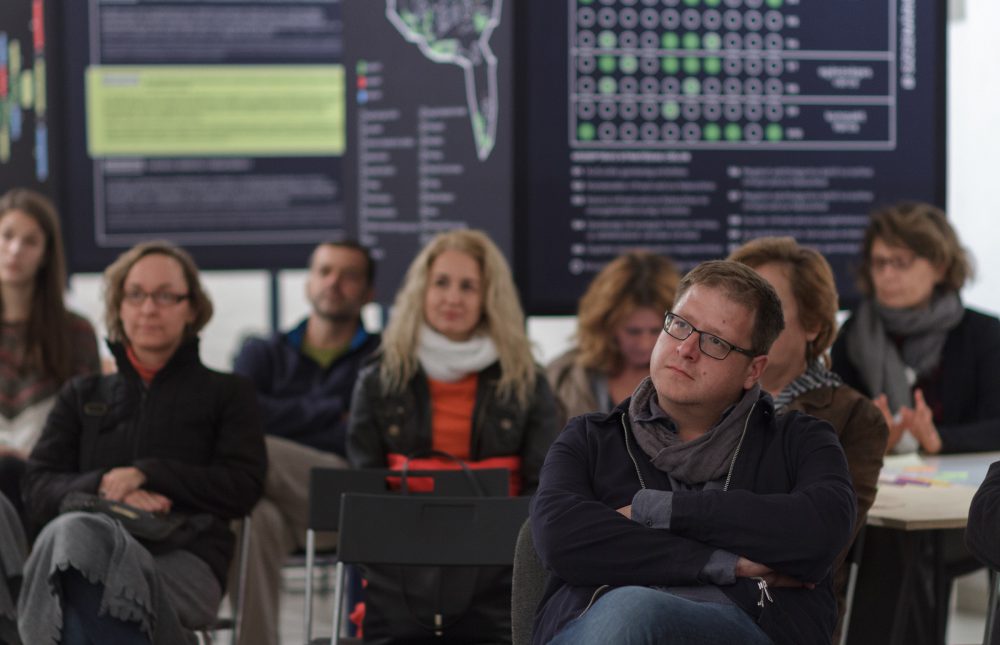
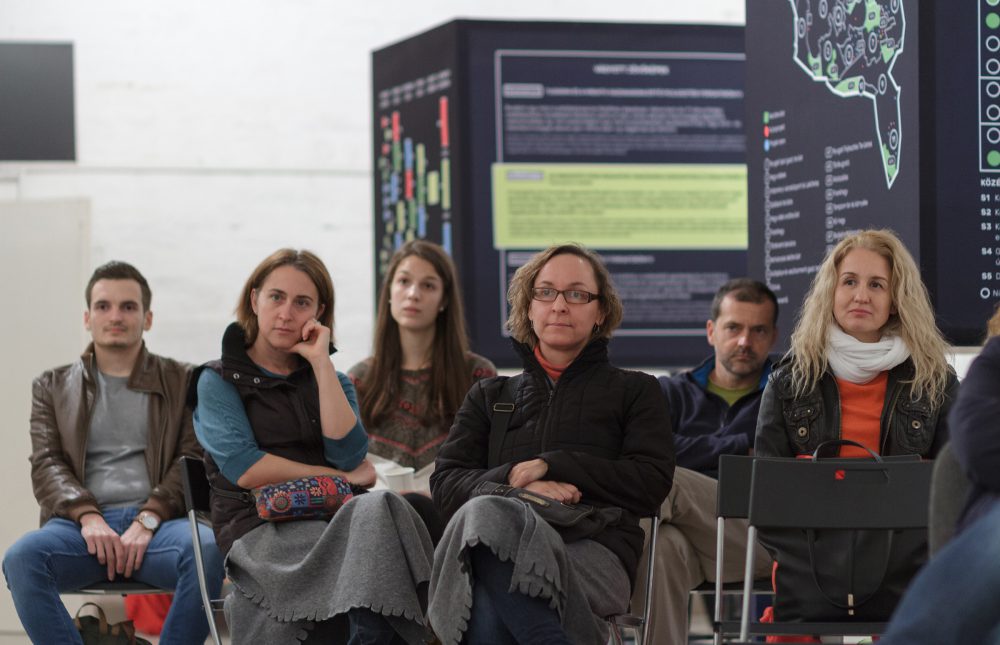
Resilient City – Public/Space Month 2018 – Roundtable Discussion in Budaörs

You can listen the whole roundtable discussion about Reziliens City here:

Themes:
– Top-down and bottom-up approaches of public spaces and urban planning initiatives, developments, projects and interventions in Hungary and worldwide.
– Trends in urban design, gamification and communities.
– How have tools, strategies and models changed over the past decades? What can we expect in the future this area?
– What are the motivations that drive designers towards the community?

Roundtable discussion partners:
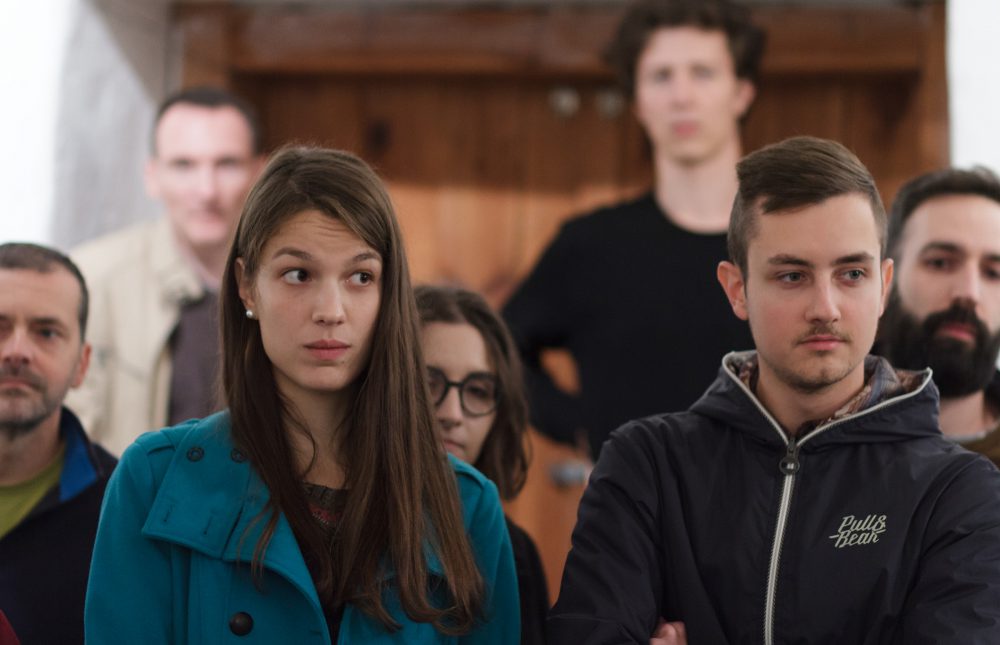
György Alföldi DLA – architect – UFlab/urb/BME
Botond Zsolt Dobos DLA – architect – Húsznegyven
Bálint Kádár PhD – architect – Kortárs Építészeti Központ
Gergő Kukucska – architect – Valyo, Város és Folyó
Anna Szilágyi-Nagy – landscapes architect – KultúrAktív

The event was organized by Húsznegyven Egyesület
Orgainzers: Botond Zsolt Dobos DLA, Judit Gerzsenyi, Olívia Kurucz
Photos: Olívia Kurucz
Grapics: Daniel Pucz

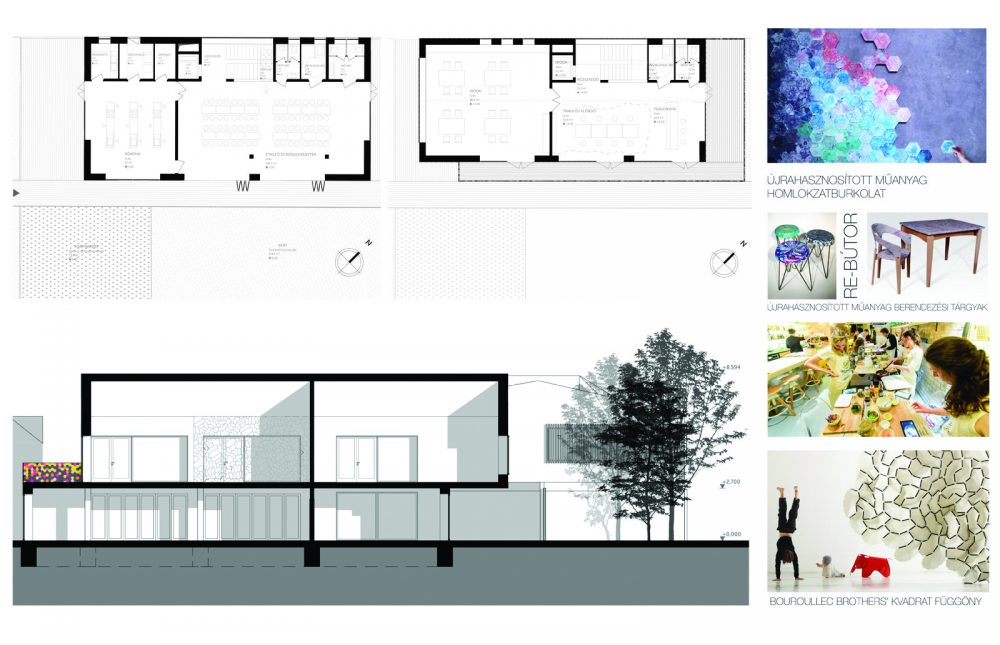
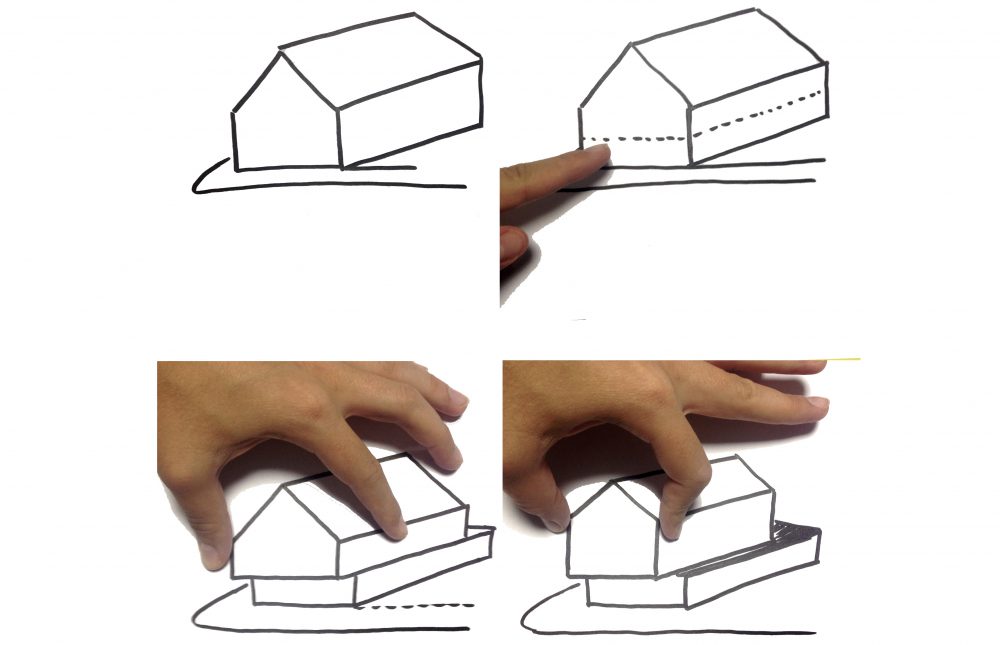
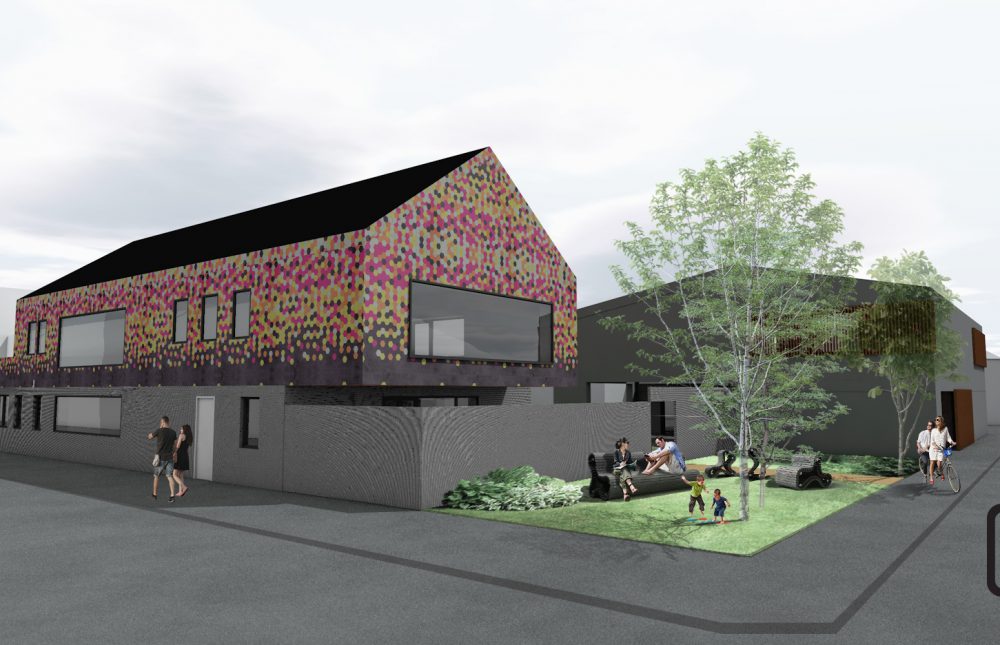
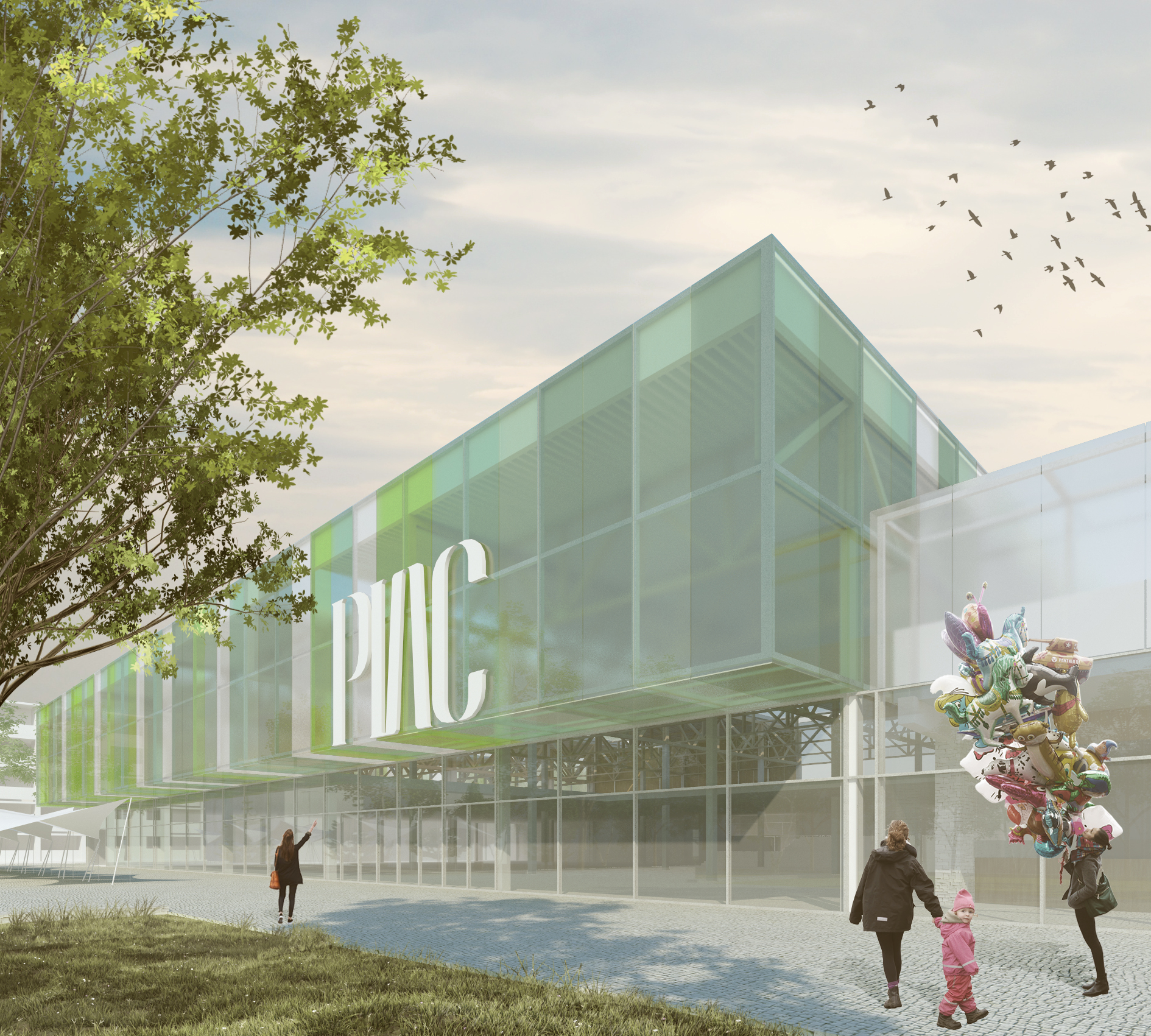
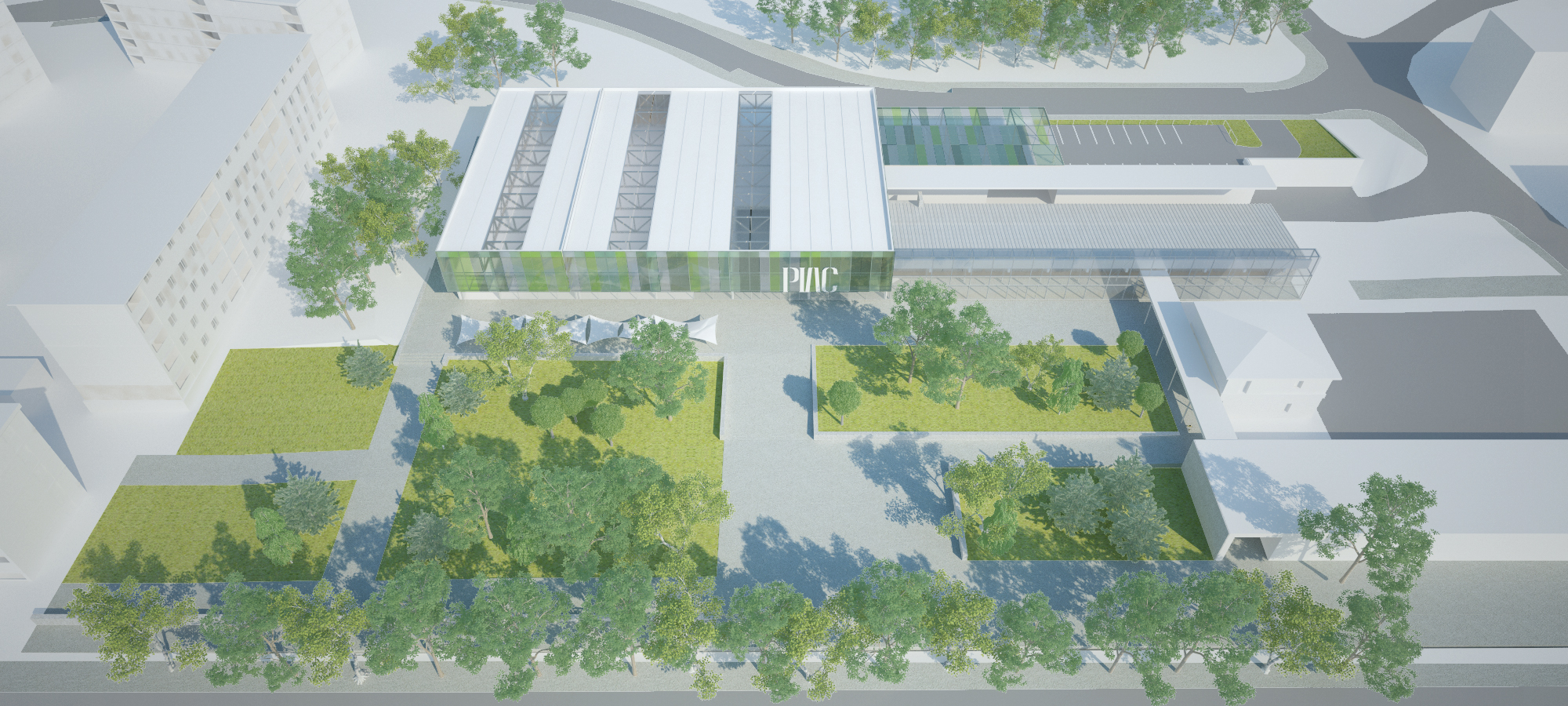
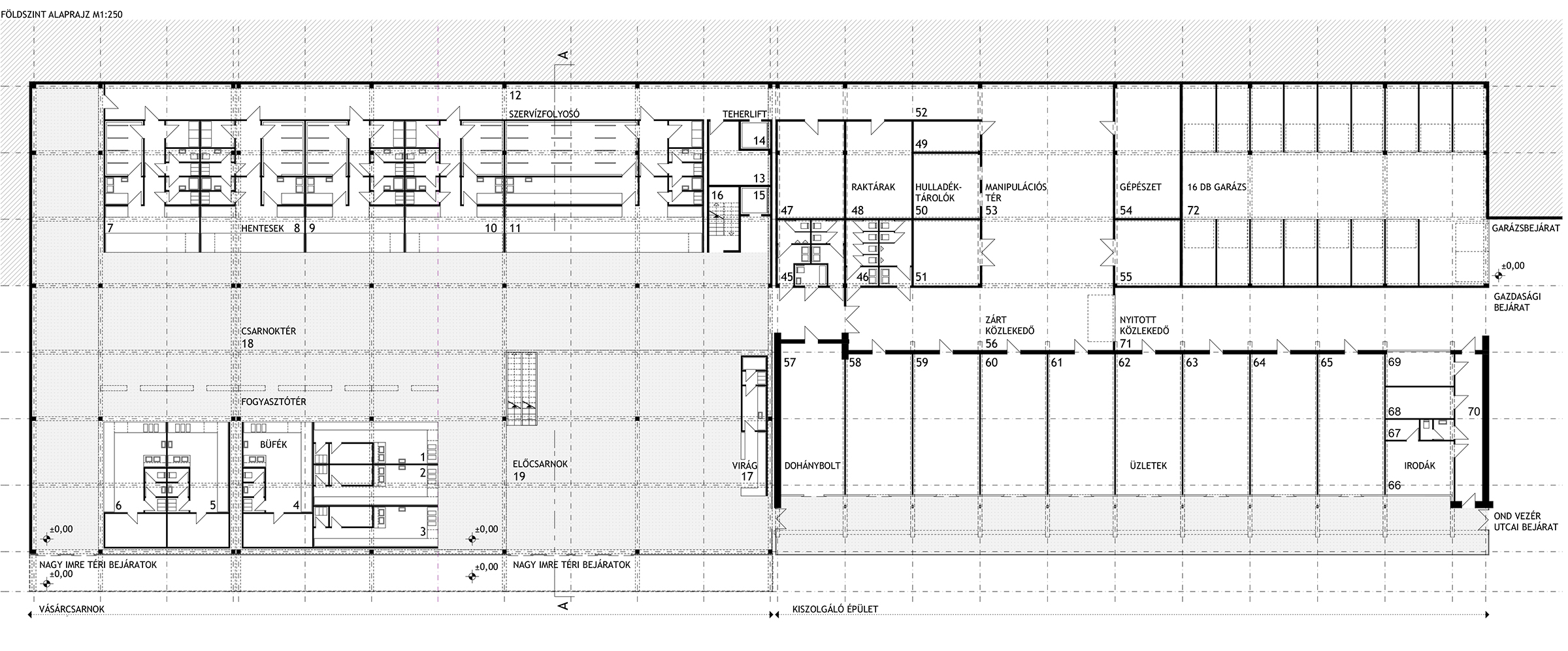
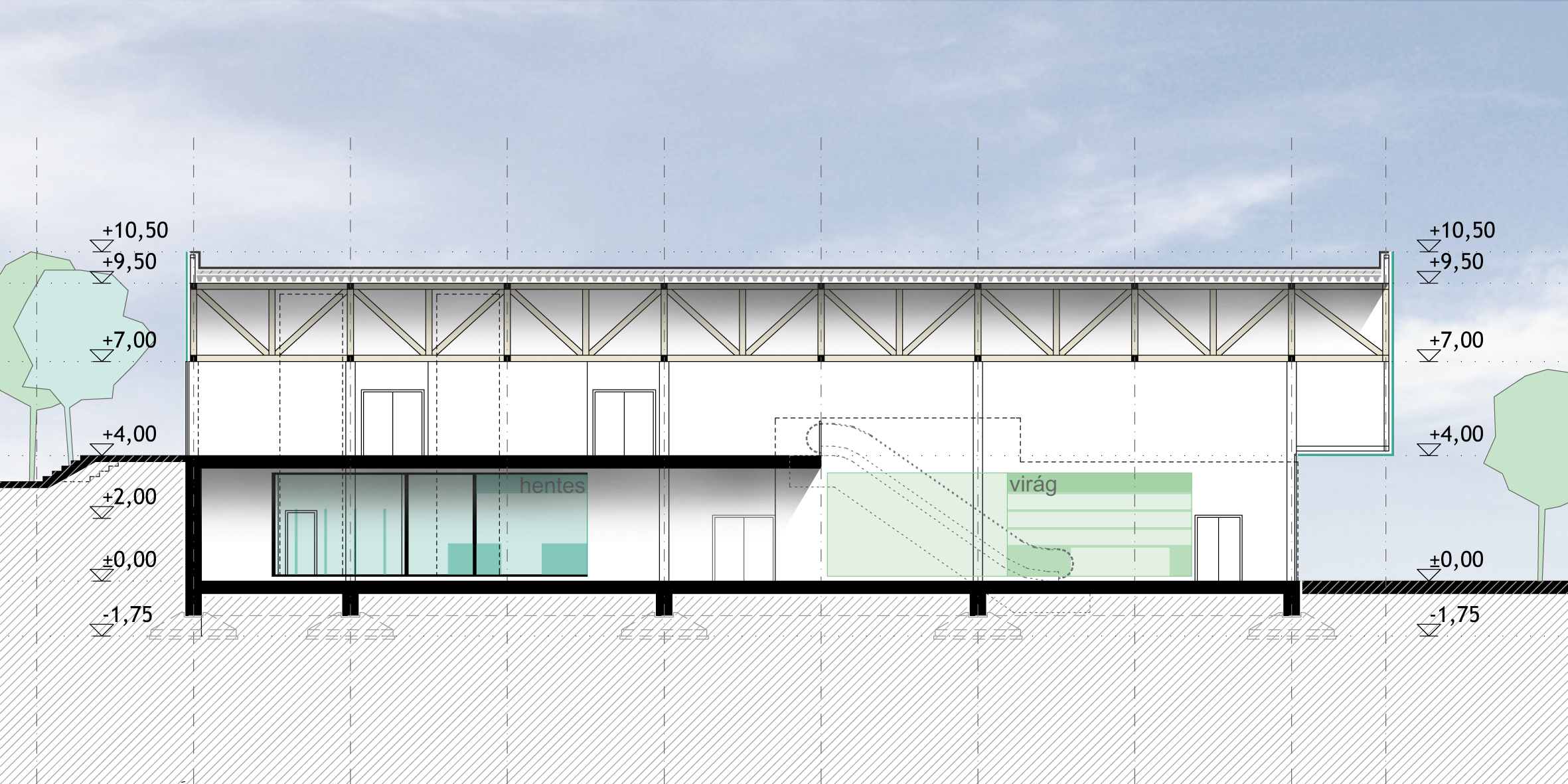
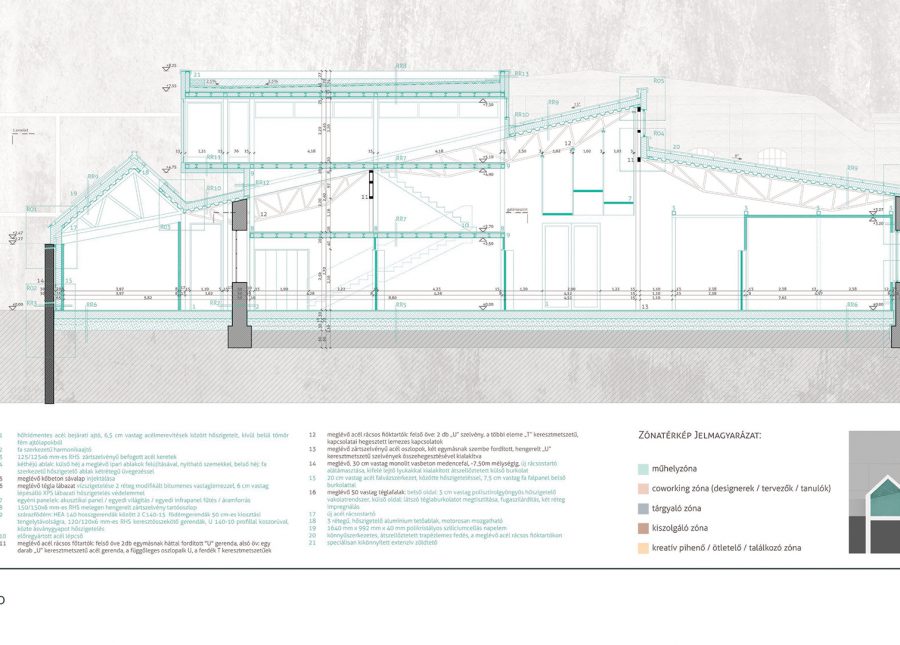
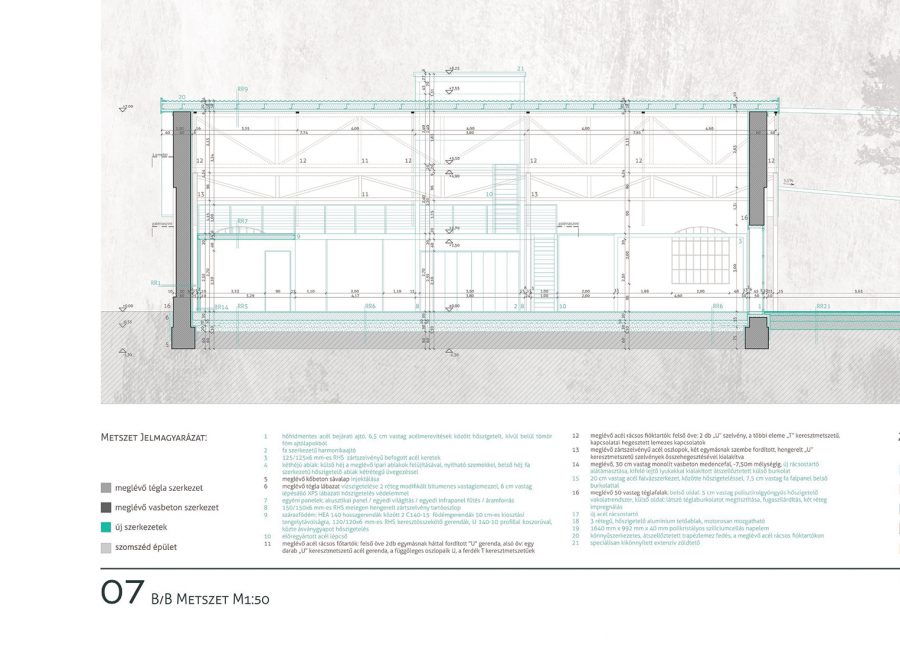
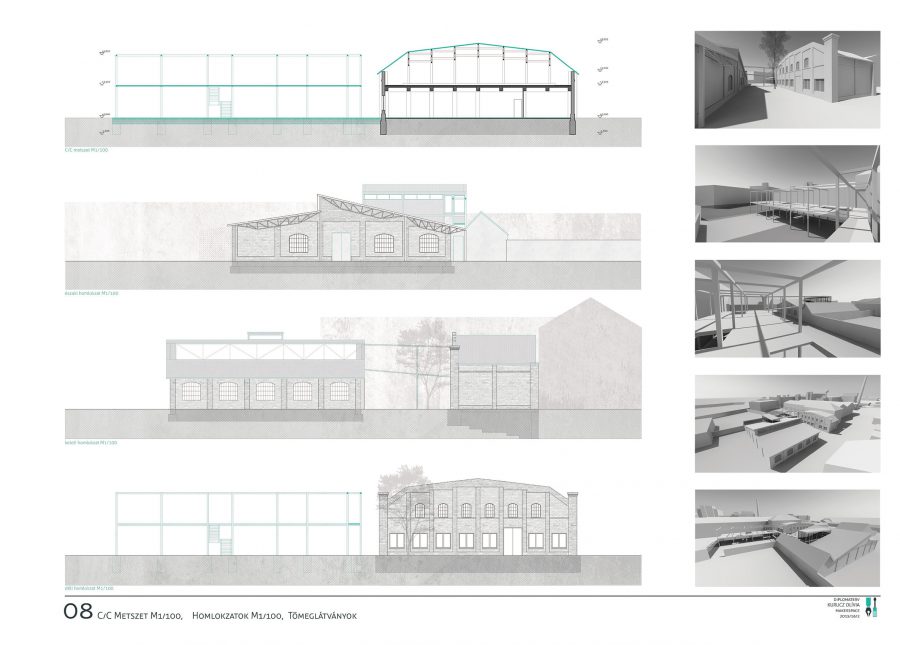
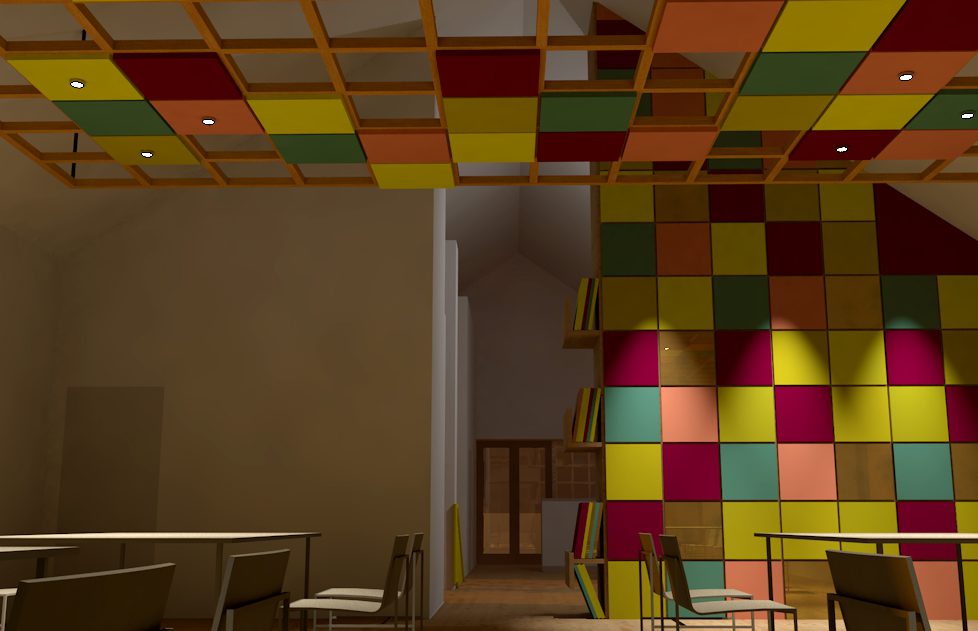
Complex Design Studio 1 – Food Bank and Incubator House by Júlia Pokol

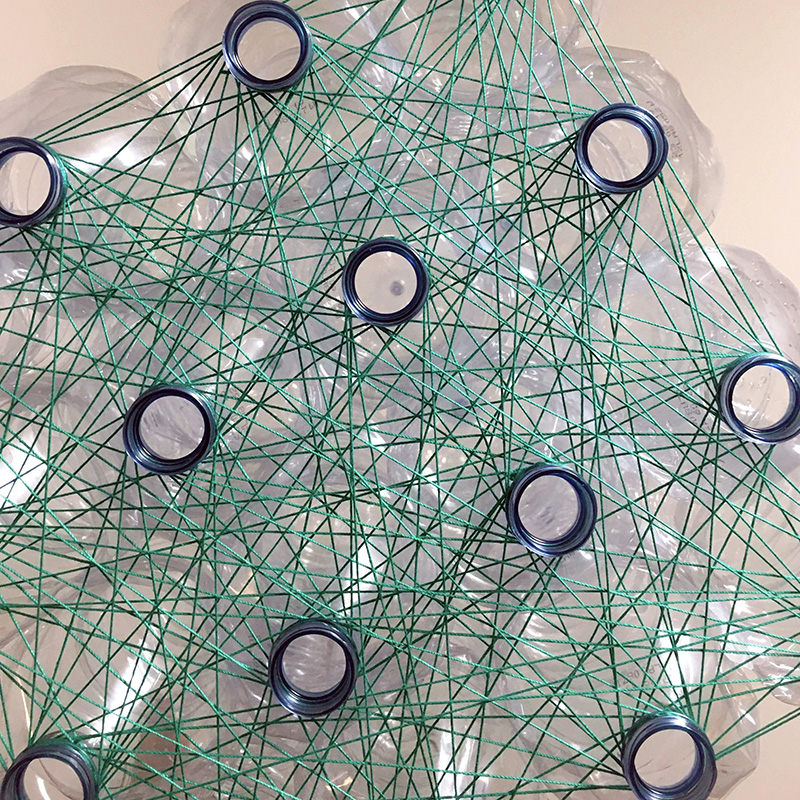
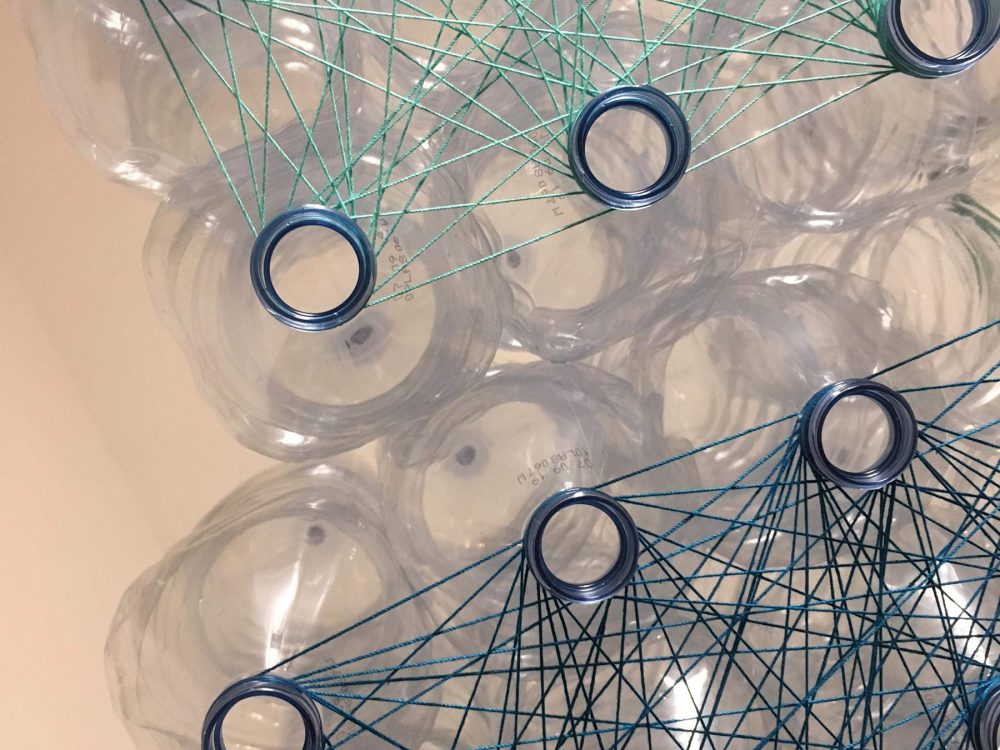
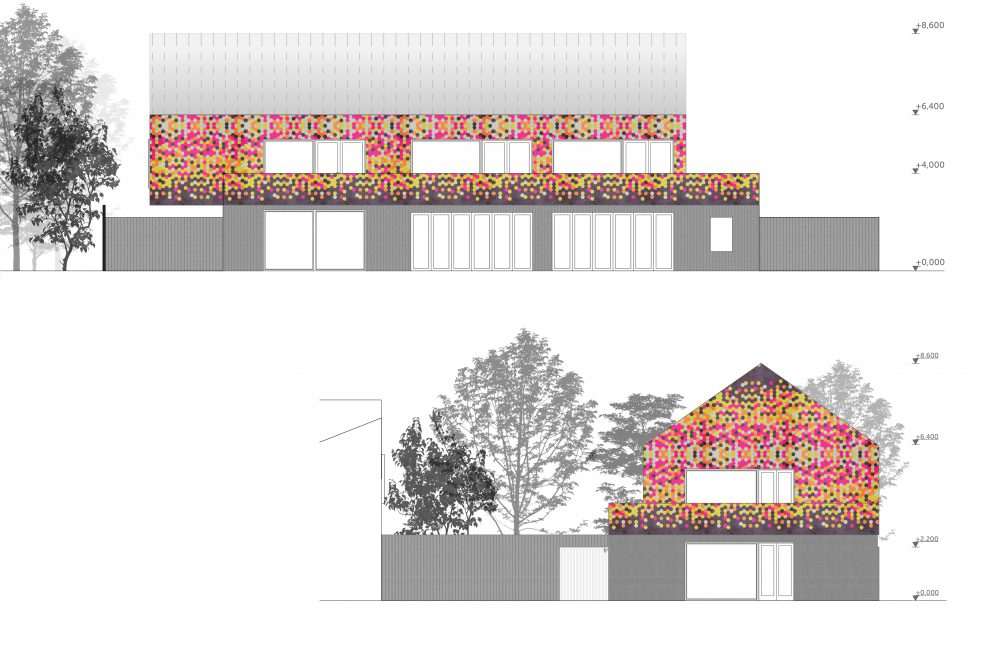
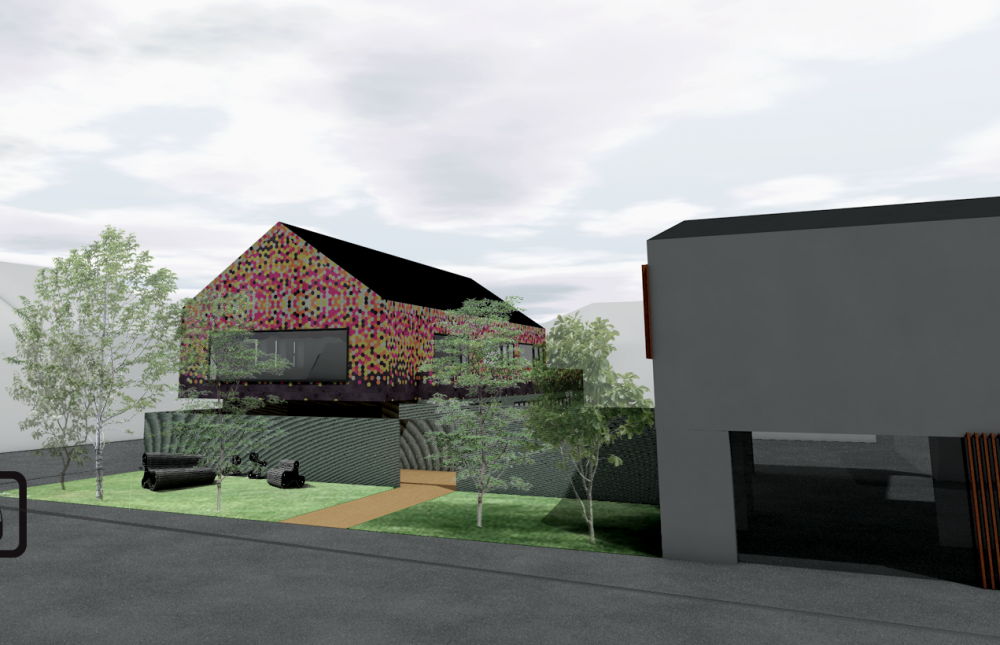
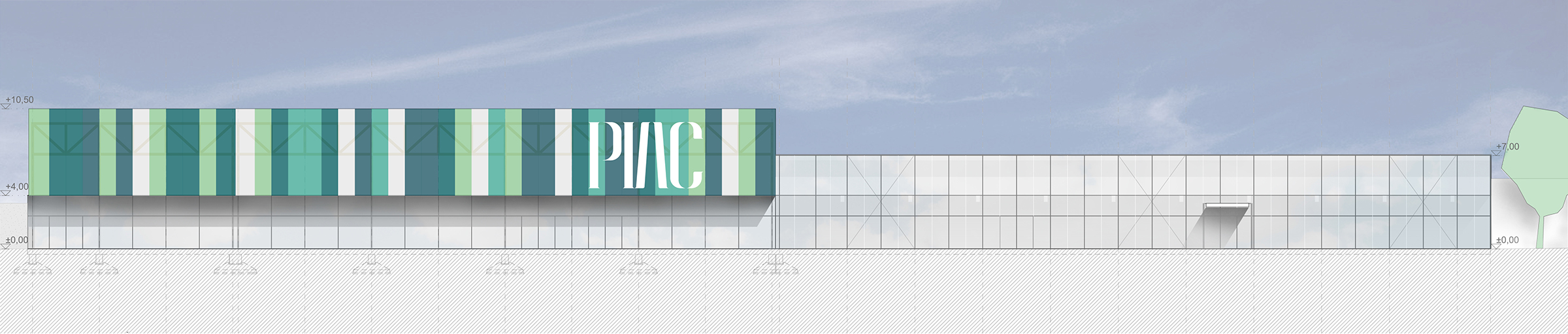
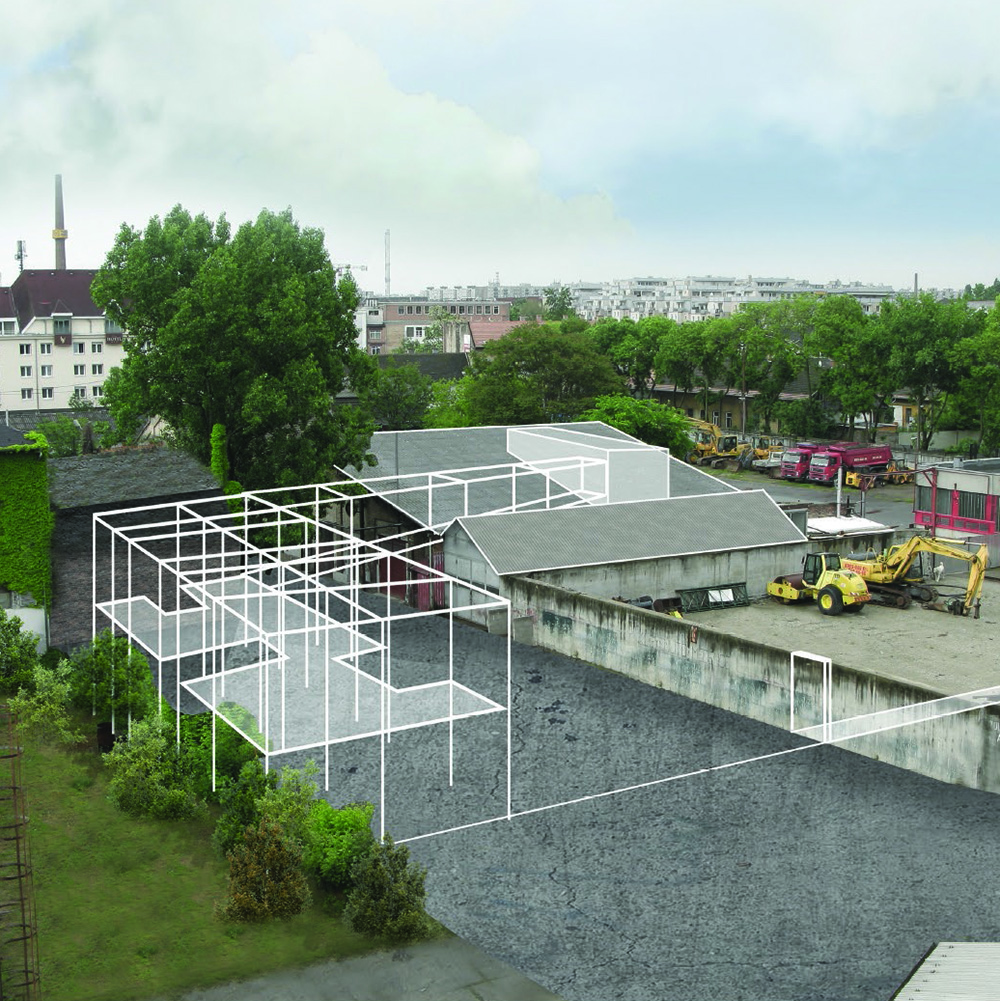
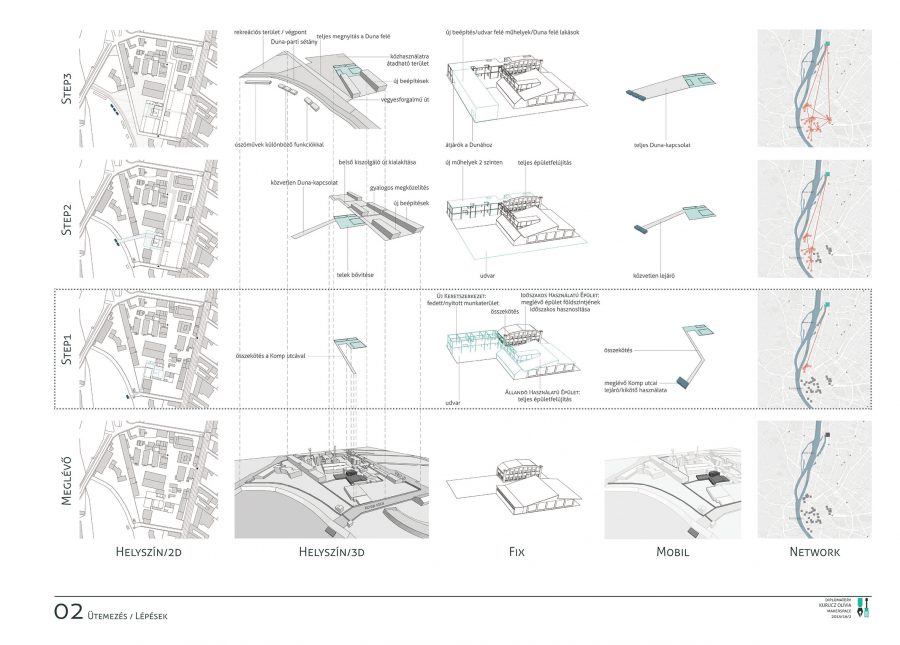
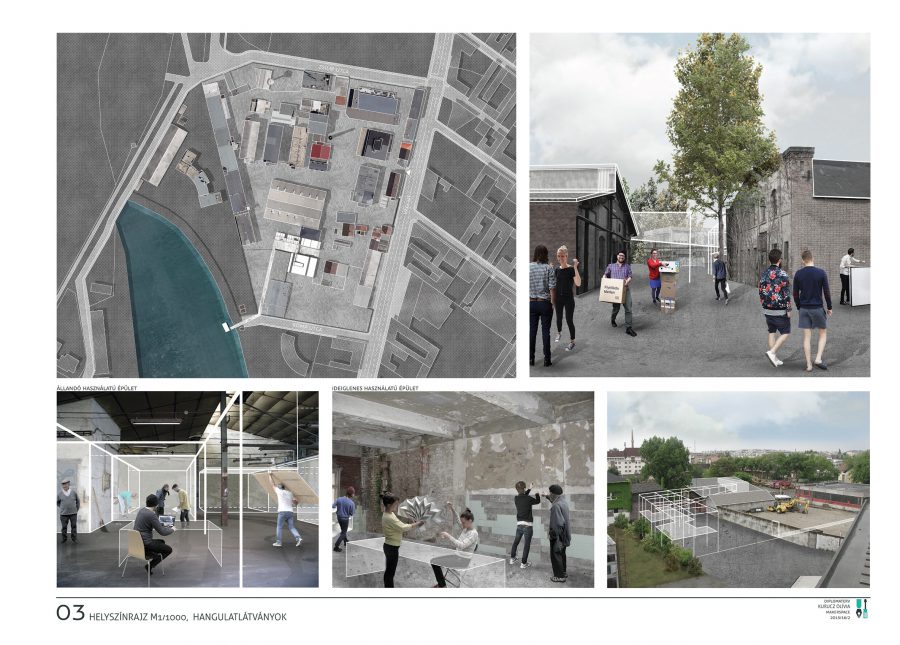
My project was a part of a teamwork concentrating on the XX. district of Budapest named Pesterzsébet. During the workshop we figured out a 5 step revitalization method that could help this part of our city to become more vivid and friendly to its inhabitants and visitors. This complex would be the third step out of the five, after the realization of a plastic recycling factory and workshop which would produce the colorful material covering its facade. 

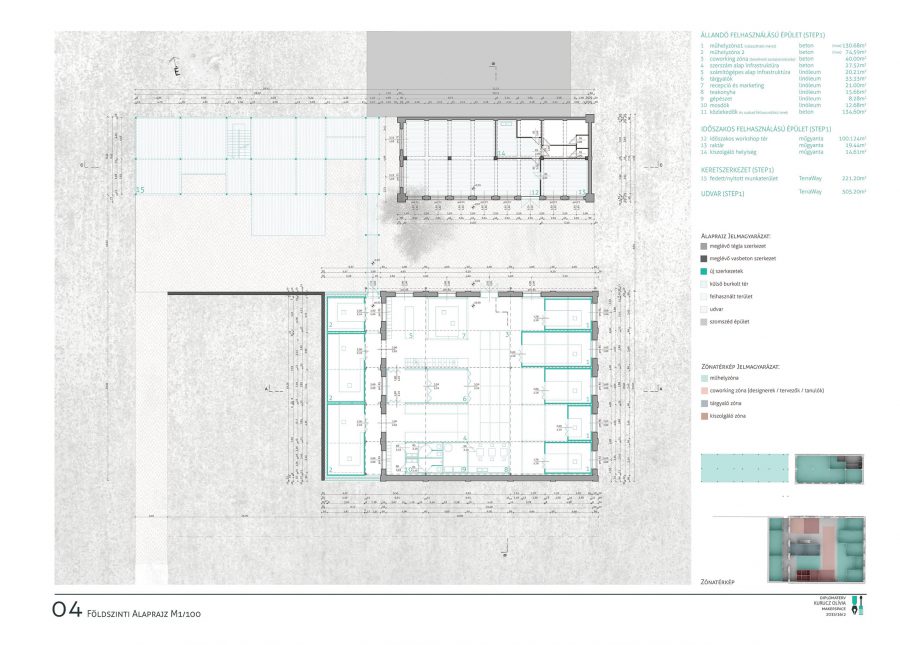
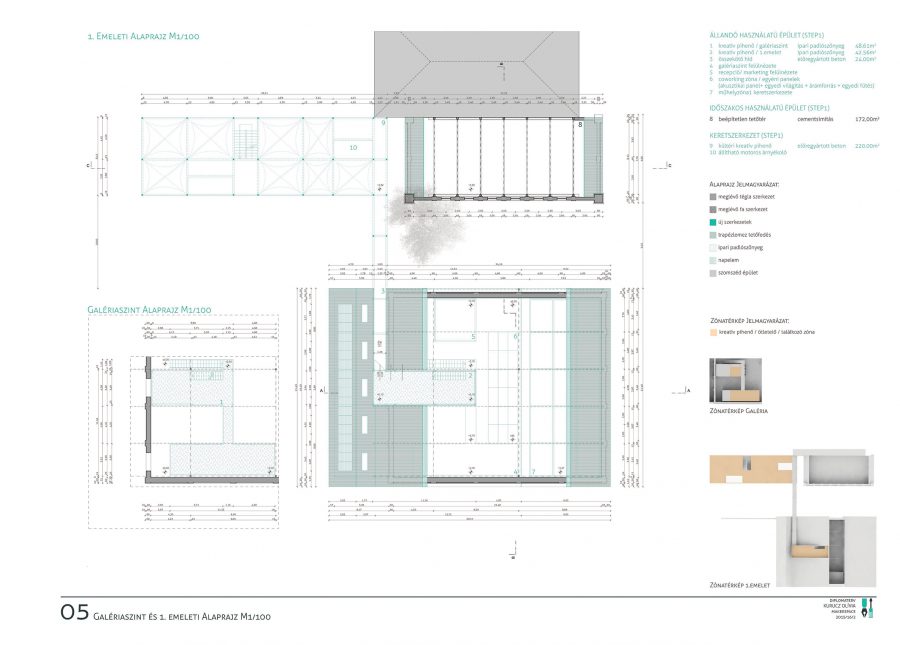
It is a house mixing a variety of functions: the ground floor is open to all visitors to use the community kitchen, where the remaining fruits, veggies ect. from the local market could be cooked for a free dinner to the ones in need. Also it is a place for young mothers to learn the ins and outs of housekeeping. The eating place towards the graden can be transformed into a saloon for occasional local events.

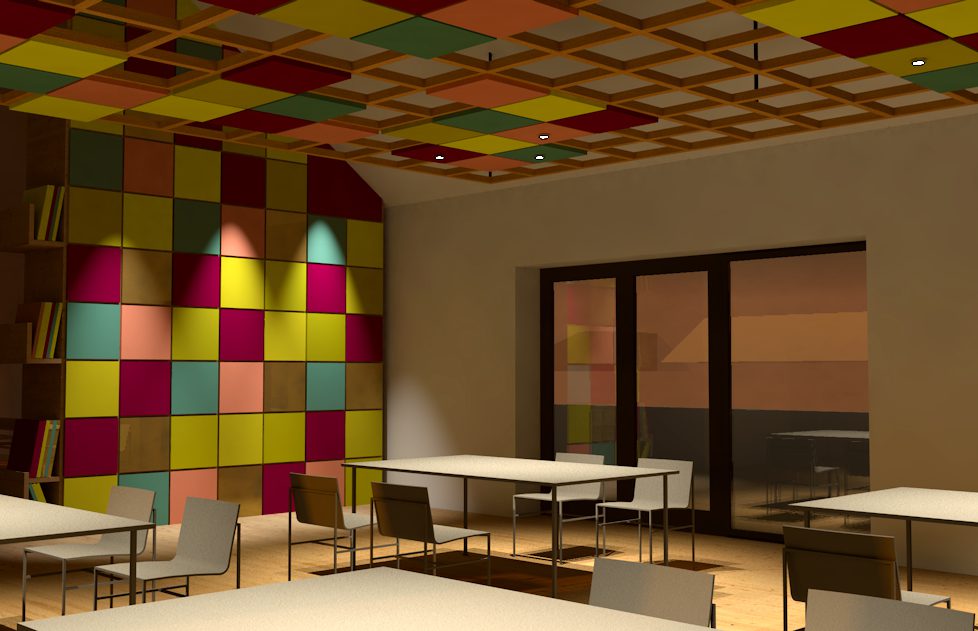
On the first floor resides a spatious coworking office facing Jókai Mór street, and a learning centre at the back, where language teaching and other classes of adult education could take place.

My goal was to create a both environmentally and humanly friendly place, which recycles space, food, waste and creates a great meeting point to its visitors. – Júlia Pokol

Consultant: prof. György Alföldi DLA

suburbia.2040 – Interactive Future Game Workshop

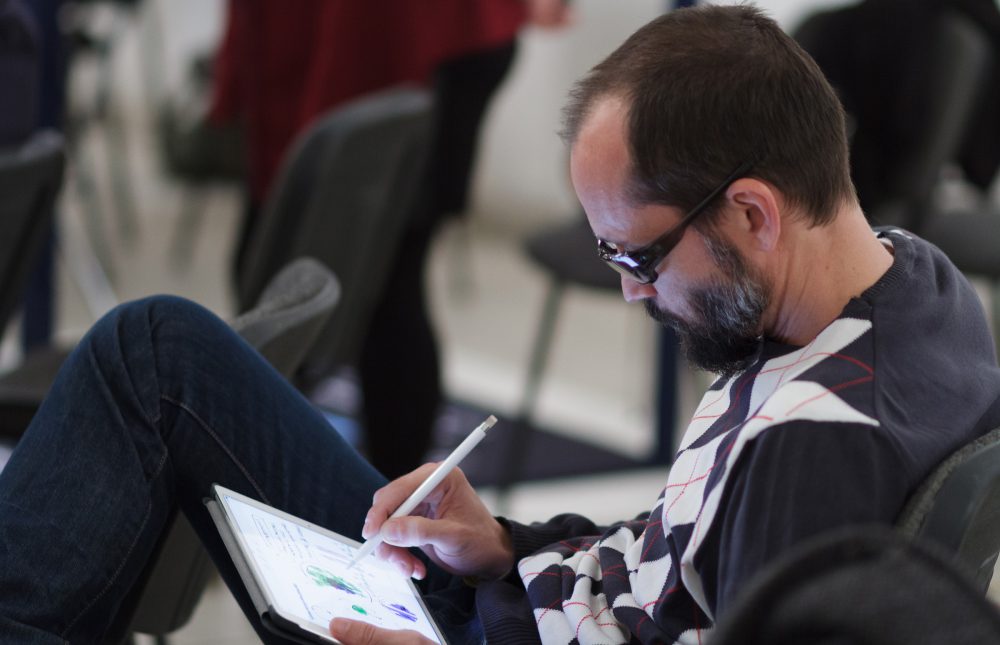
Within the framework of an interactive workshop, we played around with the idea jointly of what to expect in suburbian areas in 2040.

Questions of suburbia.2040 workshop:

  • big cities? scenarios? science-fiction? megapolis? 2040?
  • why are we always looking for the answer for the future of Budapest?
  • what will happen to small towns? will they be small towns at all?
  • in what form can the agglomeration survive?

tutors:
– dr. habil György Alföldi DLA, associate professor, Department of Urban Planning and Design, Budapest University of Technology and Economics
– Péter Bach DLA, associate professor, Department of Architectural History and Urban Planning, Széchenyi István University, Győr
– Eszter Monda, researcher at the Center for Social Viability Research at Corvinus University of Budapest and a futures expert at the consulting firm ExplicoTech
organizer: Olivia Kurucz and Húsznegyven Egyesület
photos and video: Képkocka

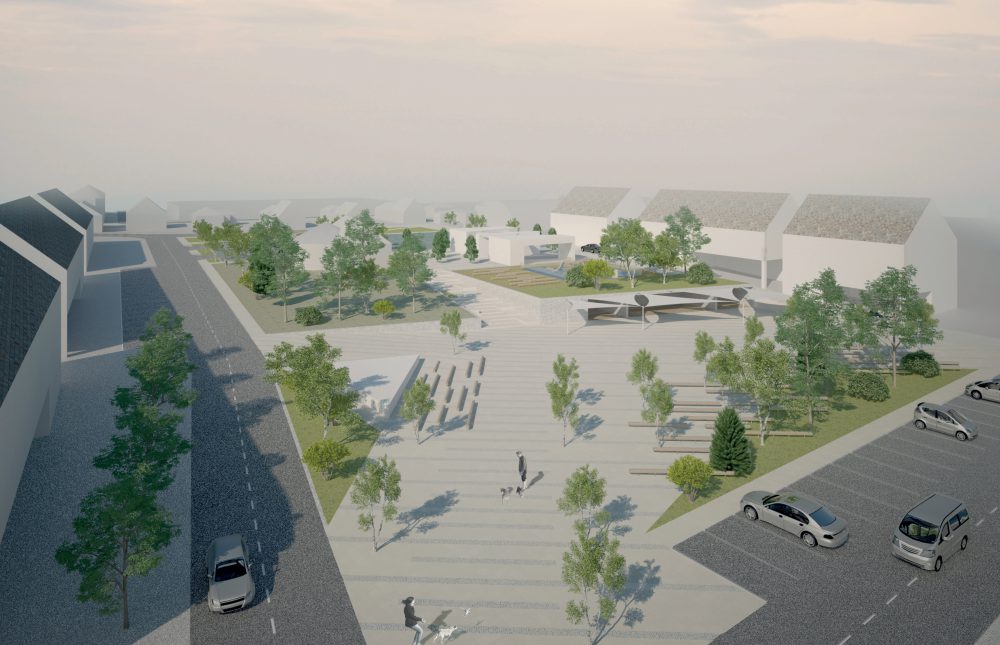
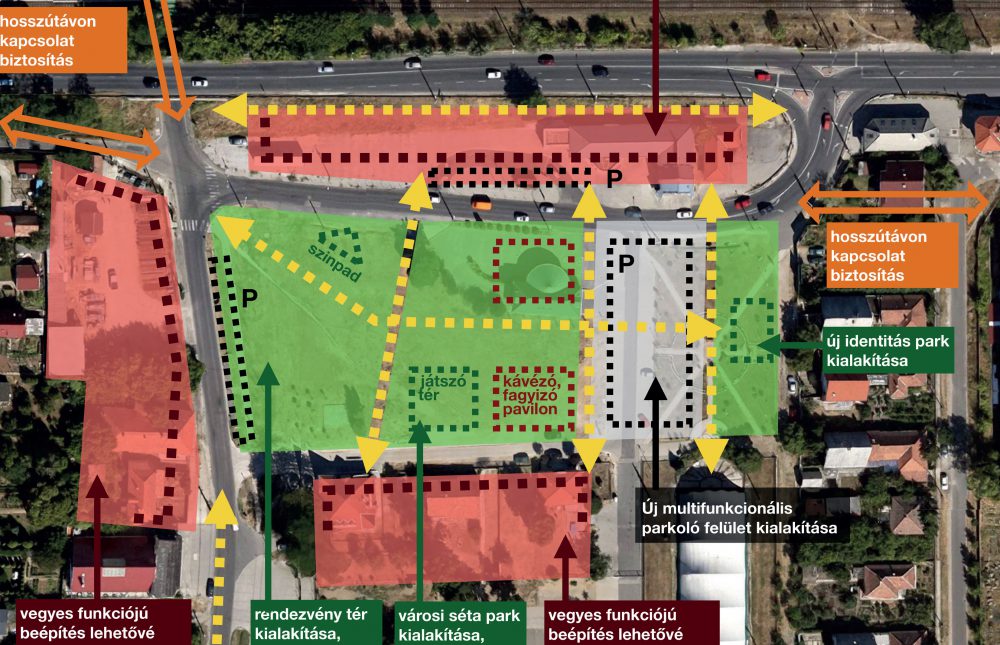
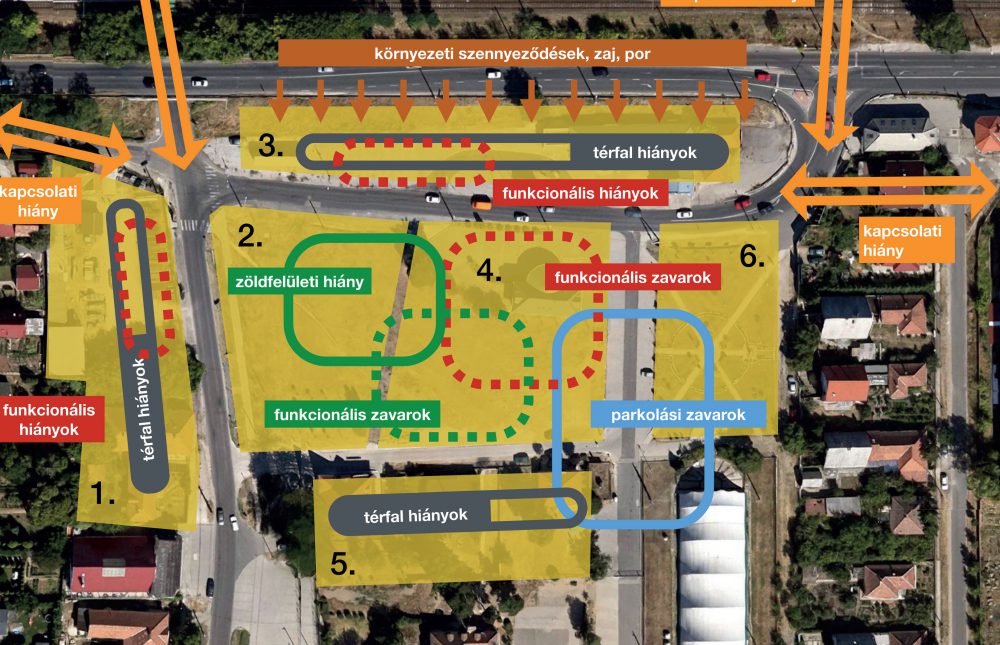
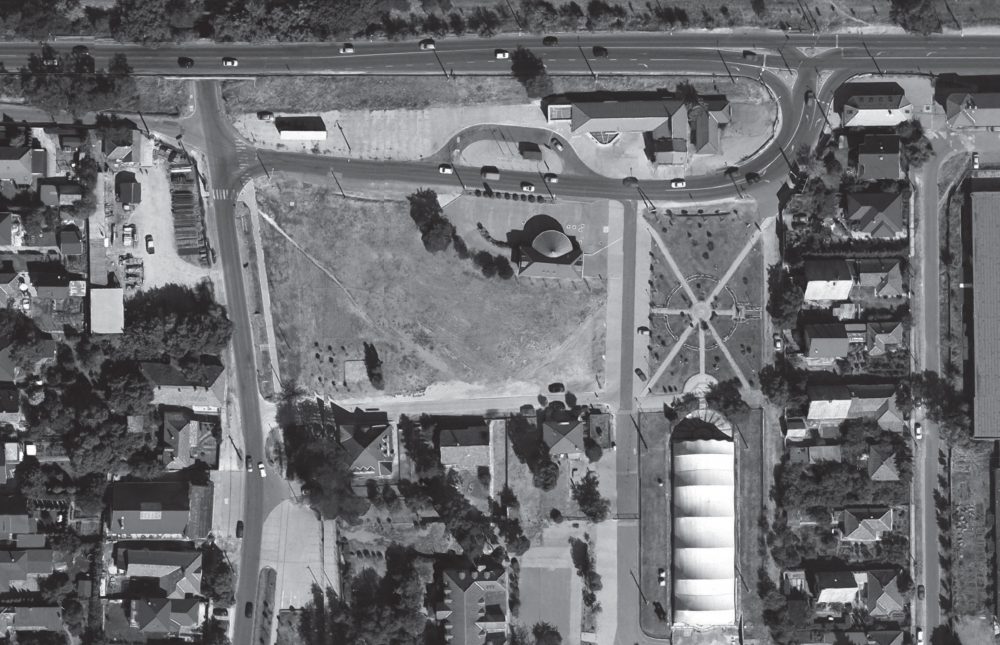
Zsámbék – City Center Development Plan

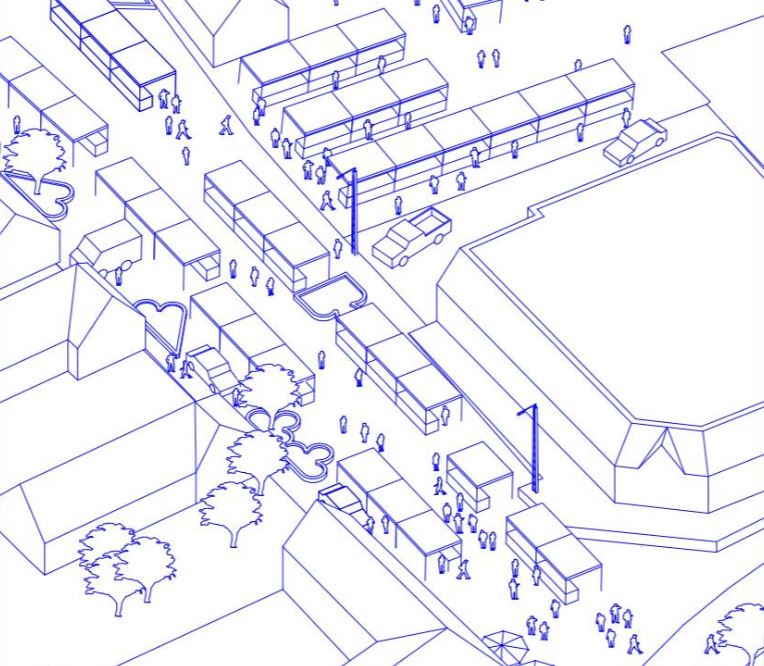
Zsámbék Város Önkormányzata megindította a városközpont teljes körű rehabilitációjához szükséges tervezői munkákat. A városvezetés elképzelése szerint az új központ átmenő járműforgalomtól elzárt, sétáló utca jellegű kialakítással valósulna meg. A jellemzően térkővel burkolt utcákon számos kiülő és pihenőfelület kap majd helyet, míg az egyes terek tagolása zöldfelületekkel fog megtörténni. A tervek szerint Szent István tér, Akadémia utca, Táncsics Mihály utca
és Piac köz közötti szakasza sétáló utcává válik, így új forgalmi rend alakul ki.

A gépjármű forgalom csak az utcákban lakók számára, az üzletek áru feltöltésére és a posta szolgálati járműveire korlátozódik. Kivételt képez a keddi, pénteki napokon tartandó piac. A Szent István téren és az Akadémia utcában lévő buszmegállók megszűnnek, helyettük a XXI. századi elvárásoknak megfelelő új autóbusz megálló épül.

project team:  György Alföldi DLA / Péter Bach DLA / Gergely Kukucska / Márton Garay / Debora  Leitold / Tamás Ötvös

The entire publication can be viewed here:

Project and design team: György Alföldi DLA, Péter Bach DLA, Márton Garay, Olívia Kurucz, Rebeka Monory, Csaba Tóth

Zsámbék2030 – Urban Development Program

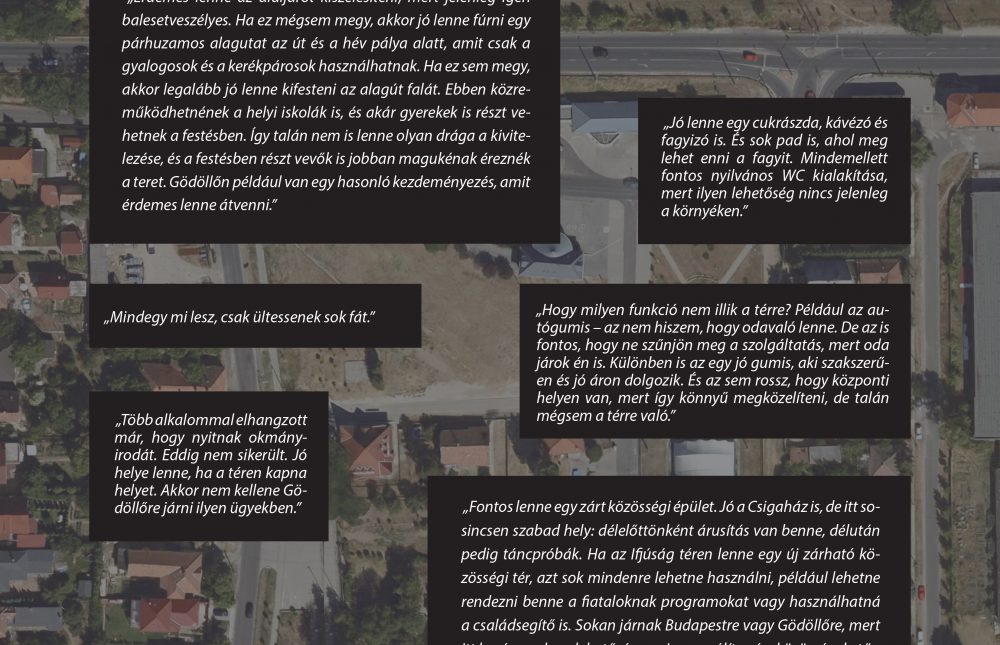
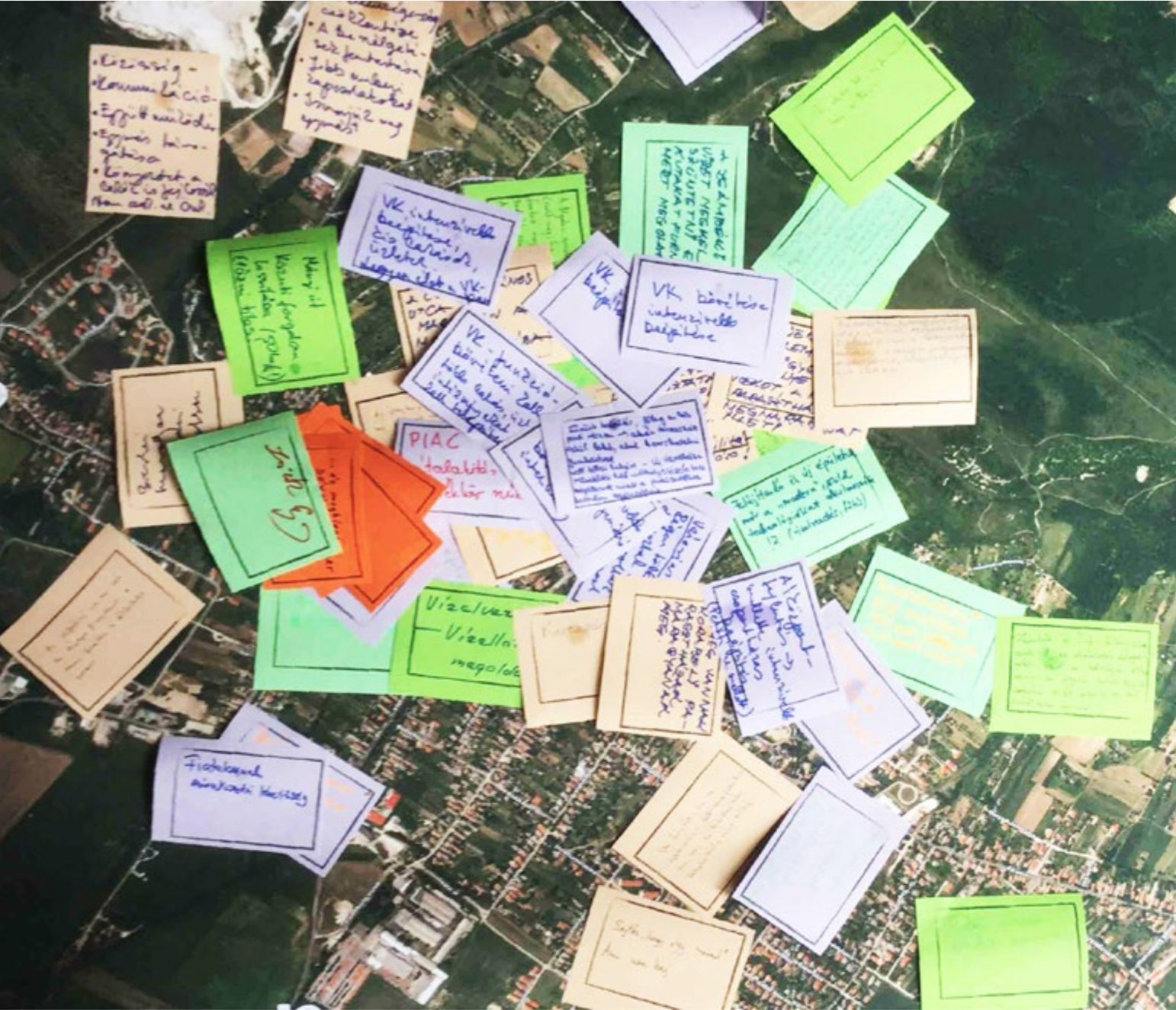
With the „Zsámbék 2030” initiative, launched in 2015, the municipality wanted to establish a long-term dialogue process in order to strengthen the city and increase its chances of meeting the many challenges. We had to create a supportive environment that would allow renewal and the joining of forces after the debate on urban planning decisions. Efforts had to be made to build a consensus on the important issues that would make the city strong, stable and able to make the most of its potential, best able to meet the challenges, a healthy, well-functioning small town with a good reputation to live up to.

project team: prof. Dr. György Alföldi DLA / Olívia Kurucz / Dániel Balizs / Anett Hegyi / Péter Tóth / Fanni Botka