Hild Prize – György Alföldi

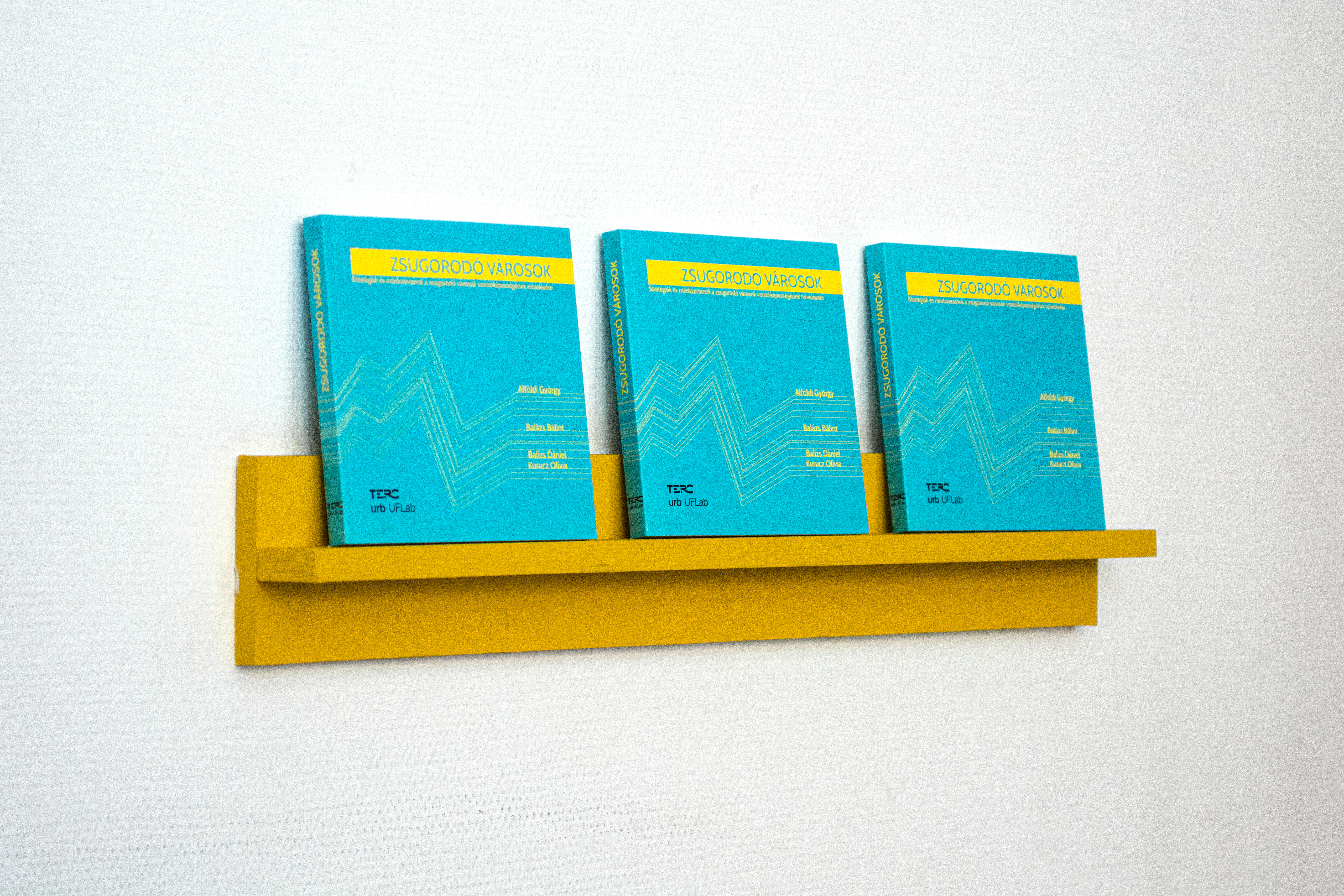
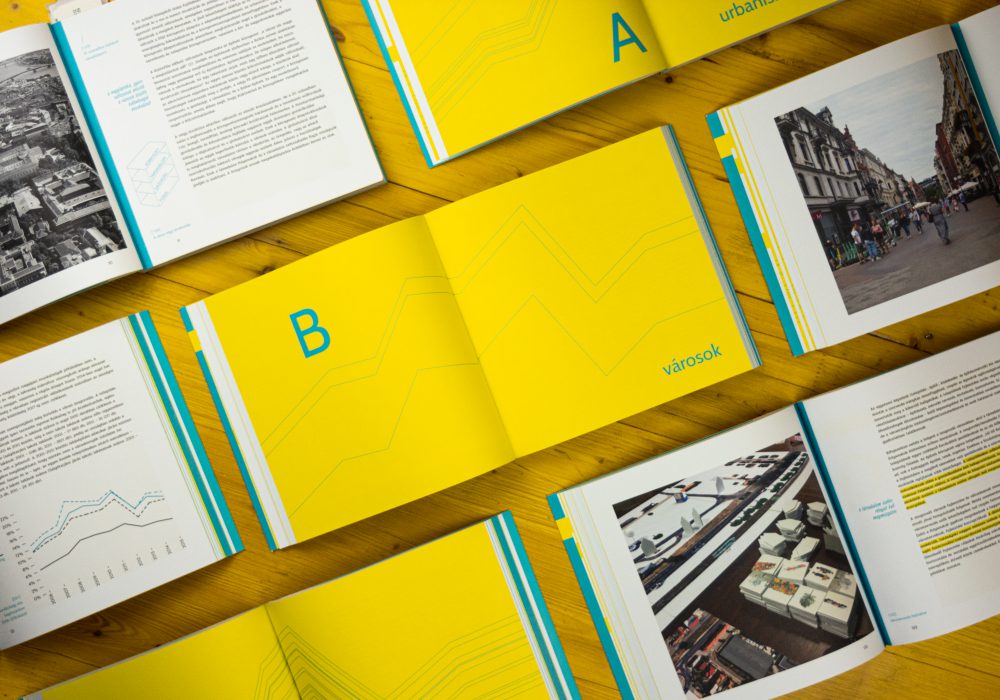
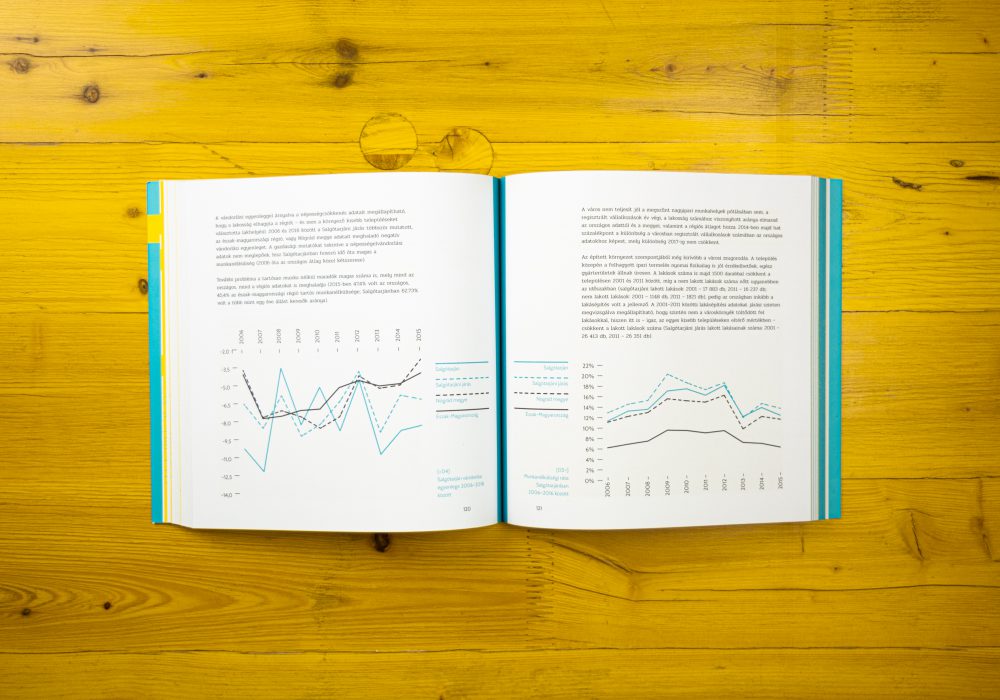
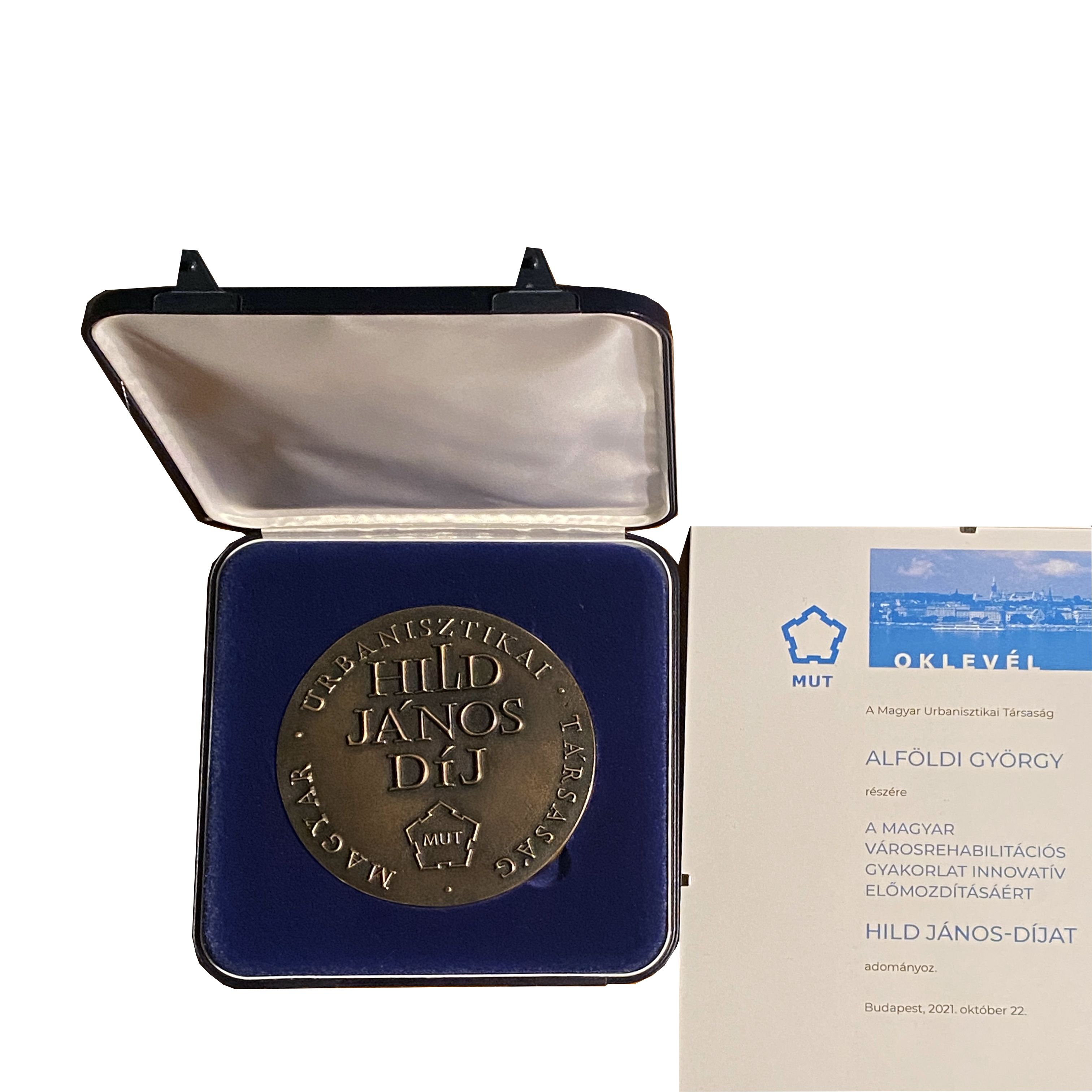
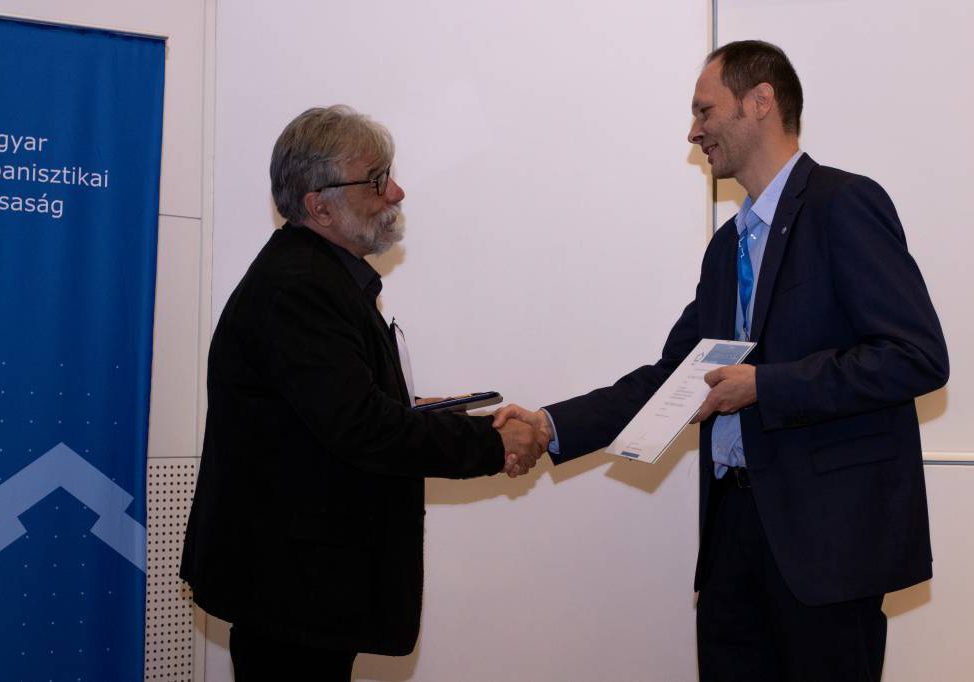
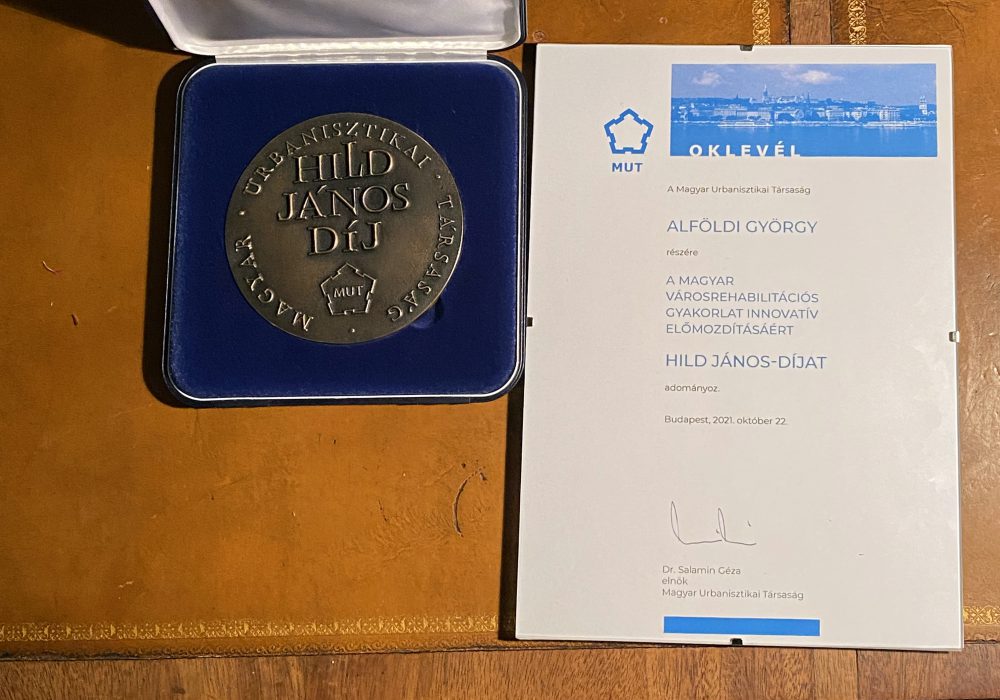
György Alföldi was awarded with the József Hild Prize by the Hungarian Society for Urban Planning (MUT) for his innovative promotion of hungarian urban rehabilitation practice. The award was presented by Géza Salamin, President of the Hungarian Society for Urban Planning at the XXVII. National Urban Planning Conference in Debrecen on the 22nd of October 2021.

György Alföldi is an influential, epoch-shaping, school-forming figure in both the theory and practice of urban studies. His work has led to the implementation of good practices in social urban rehabilitation and comprehensive urban reconstruction in partnership with investors, which has served and continues to serve as a model for urban rehabilitation efforts. The operation of Józsefváros [8th district of Budapest, HU], from the district development concept to the renewal of the Corvin and Magdolna quarters, to public participation among disadvantaged residents, is an excellent example of how a well-conceived concept can facilitate effective multi-stakeholder, integrated urban development work. His work as a company director to regenerate several districts with very different characters is a rare example in our country of how a professional toolkit, applied in a planned and consistent way, can radically change the disadvantaged and low-prestige of a district even in unfavourable circumstances.

His academic teaching and leadership, based on both his practical experience and theoretical preparation, has produced promising results in the field of urban planner education, and his professional and public communication activities raise hopes for a more focused and successful urban planning education and professional practice.


Towards a Zero Waste Campus – Júlia Pokol
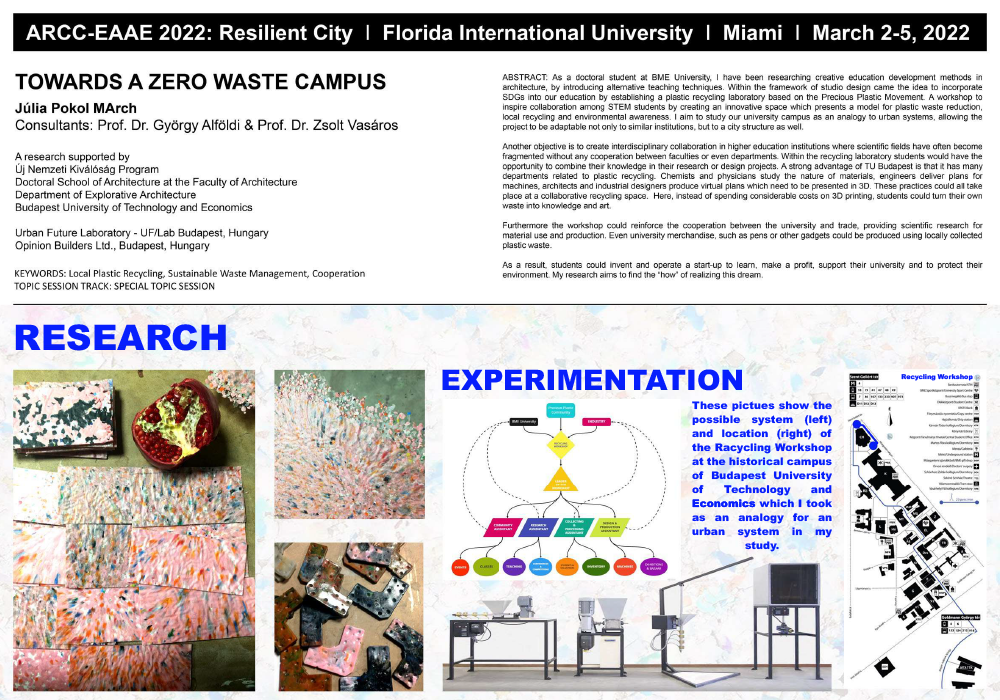
Poster Presented in ARCC-EAAE 2022: Resilient City Architecture Conference, Florida International University, Miami, March 2-5, 2022

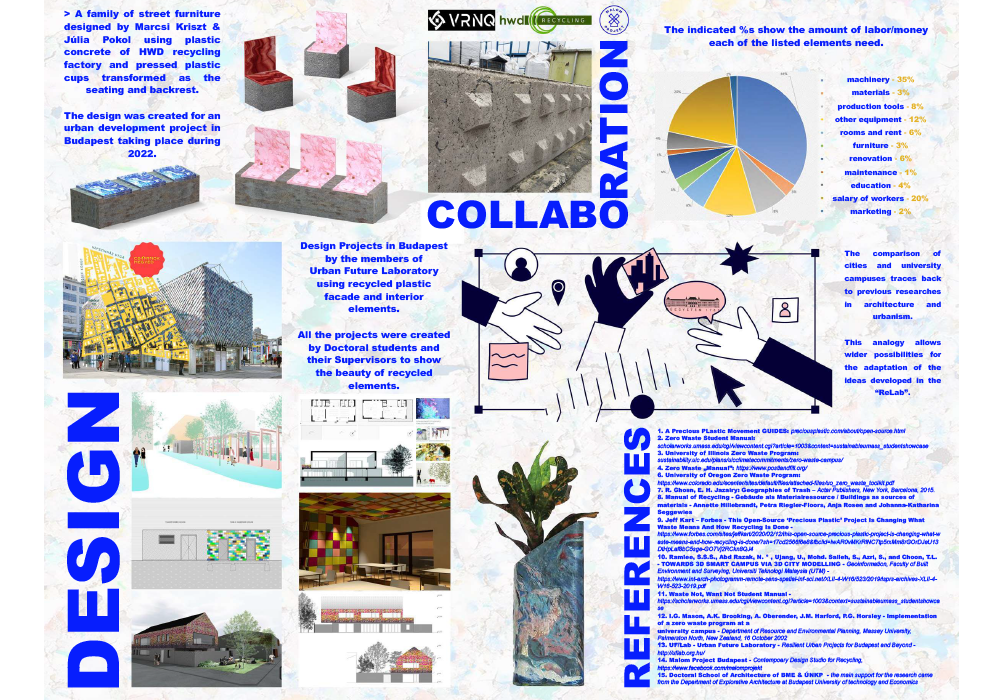
In 2021 we started a collaboration at Budapest University of Technology and Economics (BME) to bridge over the gap between different faculties and to create a sustainable university campus, a good example for the urban community and other institutions in Budapest. As the doctoral student of the Faculty of Architecture I created a project plan for a plastic recycling workshop based on Precious Plastic Movement.

The project evolved in the framework of Budapest UP! sustainable design studio with a group of students from different faculties at BME. As a result we created a portfolio for the Zero Waste Campus and I continued working on this project as my doctoral research topic.

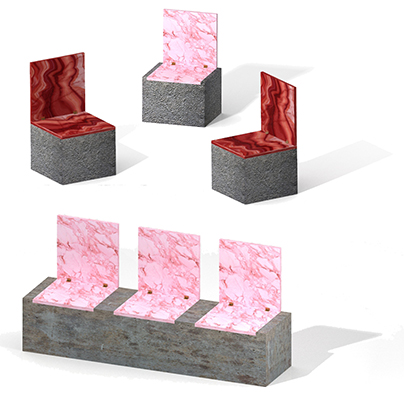
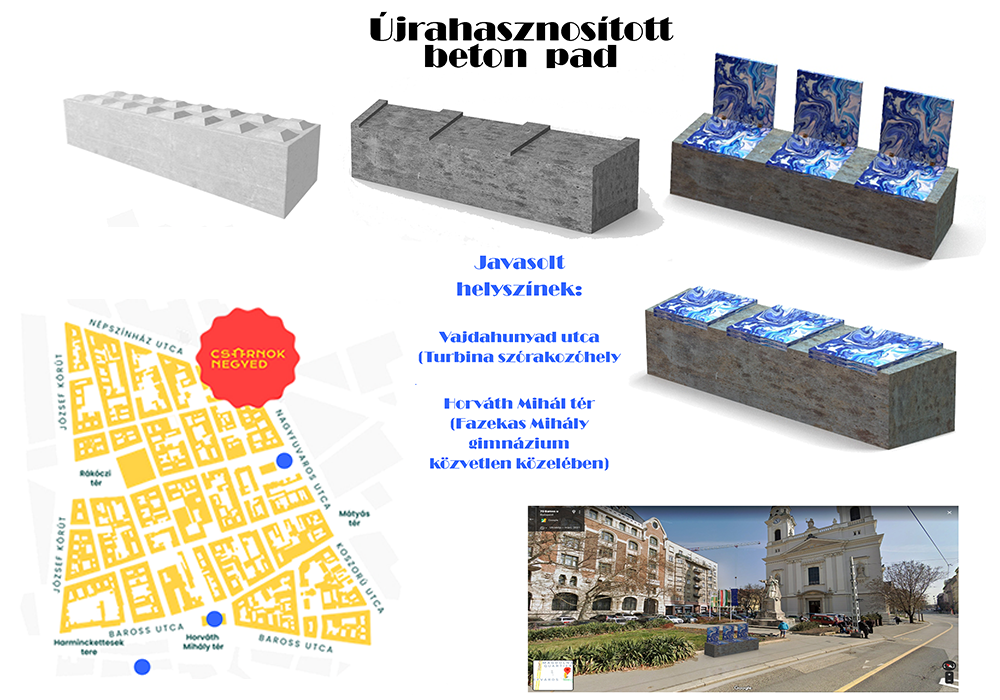
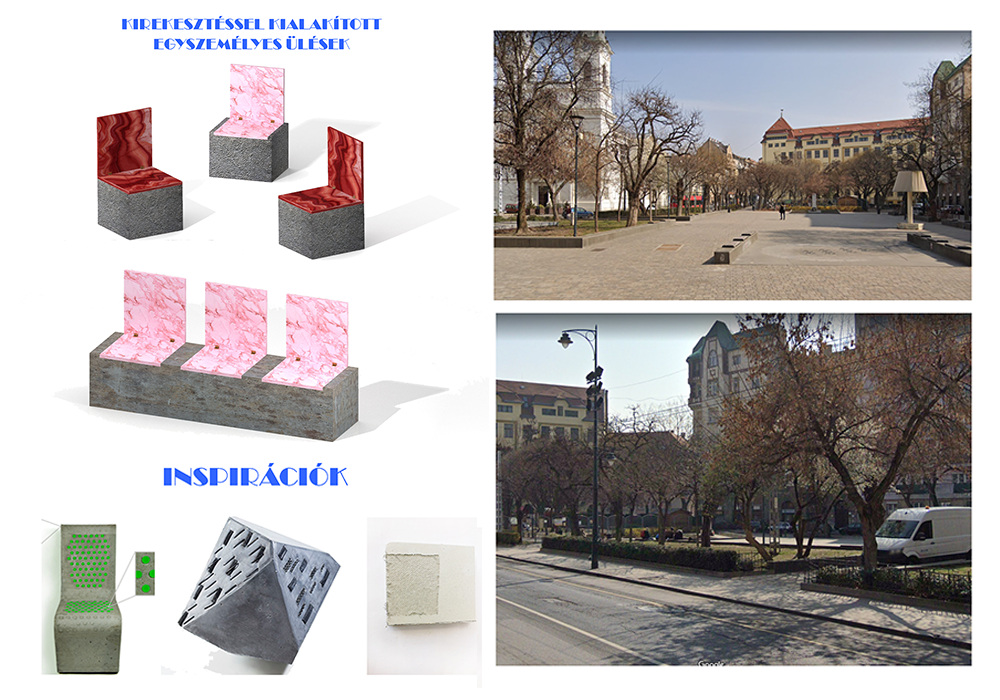
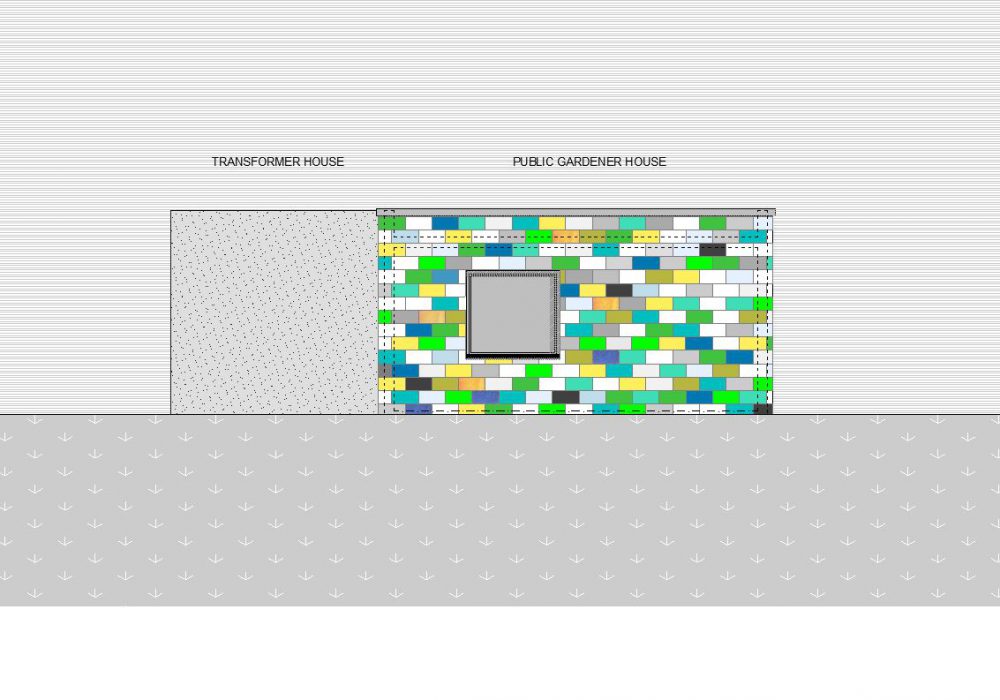
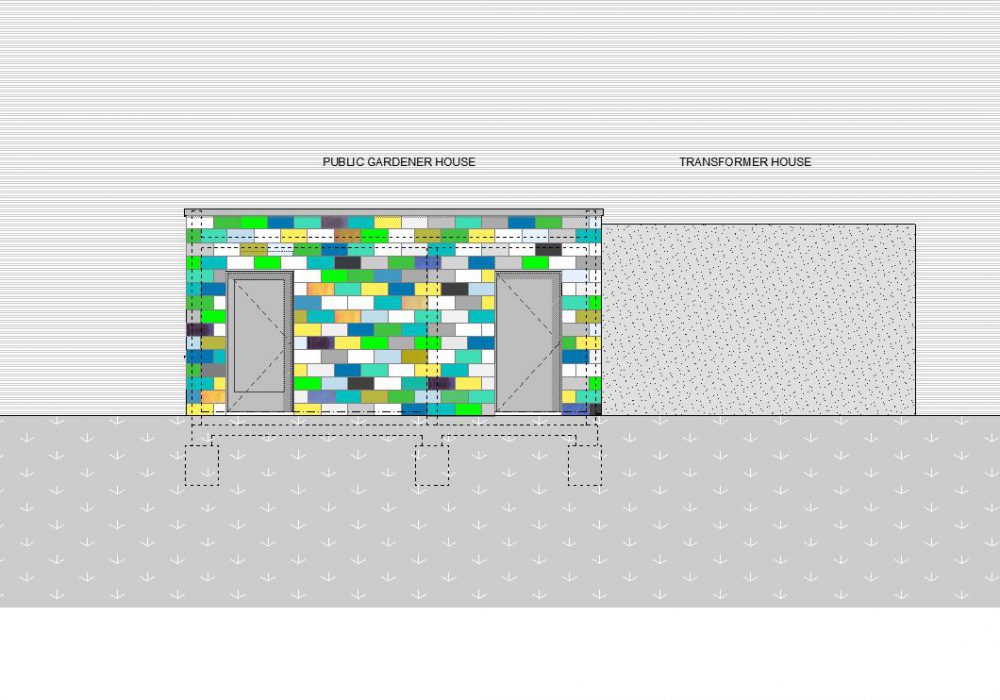
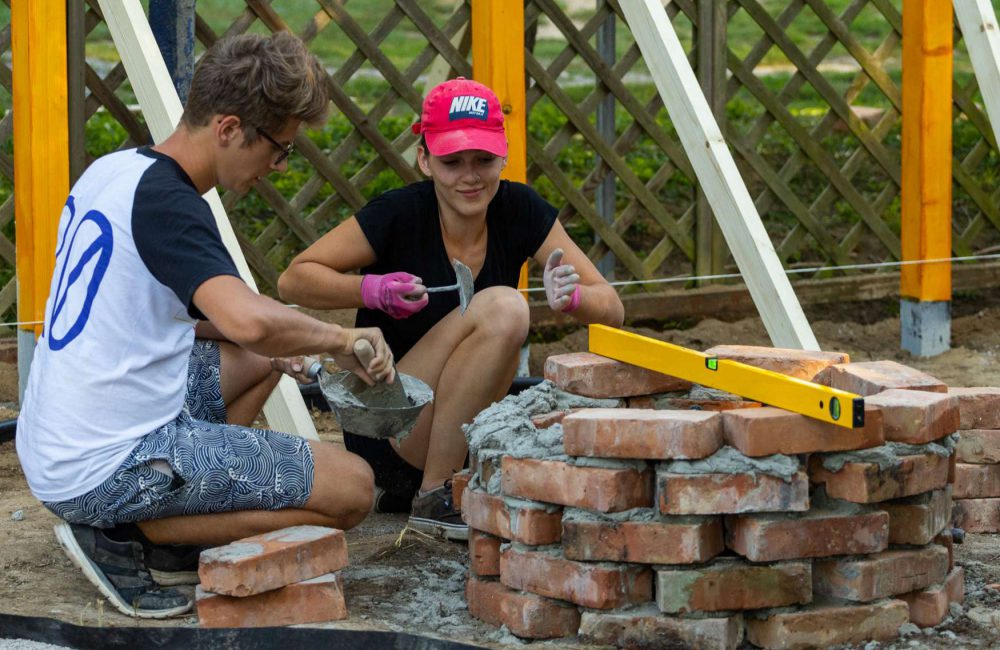
With the help and support of the Faculty of Architecture we joined forces with UFLab, HWD Recycling, Veroniq Engineering, ATC Budapest, PP Parafitt and Malom Project. The collaboration resulted in various design projects such as the covering of the Public Gardener House in 8th district, plastic concrete benches and public workshops to educate students and citizens about local recycling and cyclical waste management.

Consultants: prof. Dr. György Alföldi DLA and prof. Dr. Zsolt Vasáros DLA
Collaboraters: Malom ProjektHWD RecyclingPrecious Plastic Para Fitt / Marcsi Kriszt and Mátyás Csiszár Mátyás [MeetLab].
A research supported by Új Nemzeti Kiválósági Program.

TDK2022 // UFLAB / KLÍMAPUNK // CLIMATEPUNK

Alternatív jövőkoncepciók az UFLab projektjeiben

A téma műfaja lehet: tudományos, művészetelméleti, művészeti

Egyre valóságosabb a kérdés, hogy mit tehetünk, ha a Föld már nem tud jelenlegi formájában az otthonunk lenni. Milyen irányokba haladhatunk, hogy a klímaválságot kezelni tudjuk? Megfékezhetjük a katasztrófát a mai energetikai beavatkozásokkal vagy nagyobb lemondásokat igénylő alternatív megoldásokra van szükség?

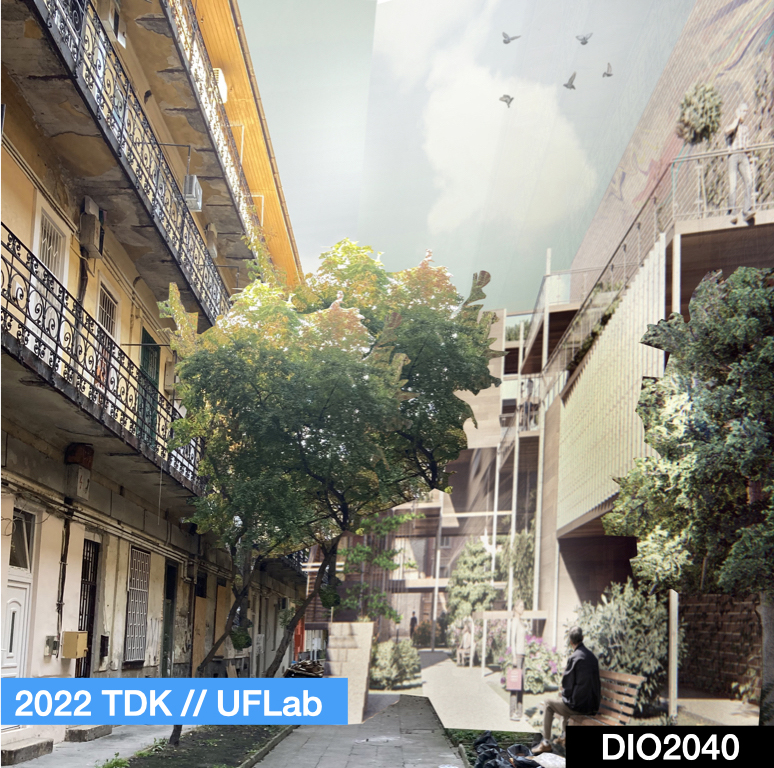
A TDK témája egy olyan értékelési rendszer kialakítása, amely segít különféle városi szituációk átalakulását vagy megújítását célzó beépítések értékelésében a városi értékek, a klíma-jövő, a méltányosság-szolidaritás és a piaci érdekek együttes teljesülése szempontjából. A jövőt célzó beépítések napjainkban hol a méltányossággal-megfizethetőséggel, hol a klímaváltozással-ökológiai lábnyommal, hol a városi (önkormányzati) vagyoni, örökségvédelmi értékekkel foglalkoznak, de leginkább a beruházói érdekek teljesülésével. A jelenlegi metódusok, az engedélyezési-szabályozási normákra épülő szétforgácsolt döntések nem tudják (vagy nem akarják) ezeket együttesen vizsgálni. Nem látható, hogy a jelen döntései hatására városaink a jövőben milyen irányba fognak haladni. A kutatás célja egy kísérleti értékelés elindítása, több adott városi helyzet megújításának vizsgálatán keresztül. A hallgatók az UFLab jelenleg futó projekthelyszínei közül választhatnak területet, amelyek a 8. kerületben a DIO2040 (Orczy-Sárkány-Diószegi-Kőris utcák által határolt tömb), a Szeszgyár utca és a Losonci tér környezete vagy Budaörsön az EUCF pályázat „Pozitív Energia Körzet” akcióterülete.

A kutatás során a változók együttes vizsgálatát lehetővé tevő indikátorok és a közöttük lévő kapcsolatok meghatározása, párhuzamosan strukturált adatplatformok létrehozása lesz a feladat. Az értékelési rendszer segíthet olyan megoldásokat kialakítani, melyek előre láthatóvá teszik a tervezett változásokat, azok építészeti képével együtt.

Témavezetők: Alföldi György DLA, Kurucz Olívia, Harmathy Norbert PhD, Dobos Botond DLA

Jelentkezzetek! Ezeken az emailcímeken elértek minket: uflab@urb.bme.hu, alfoldi.gyorgy@urb.bme.hukurucz@urb.bme.hu

Space/Study/System – Matild Magoss, Maja Zombor
Student Research Societies 2021 – 1st prize and Sustainability Special Award

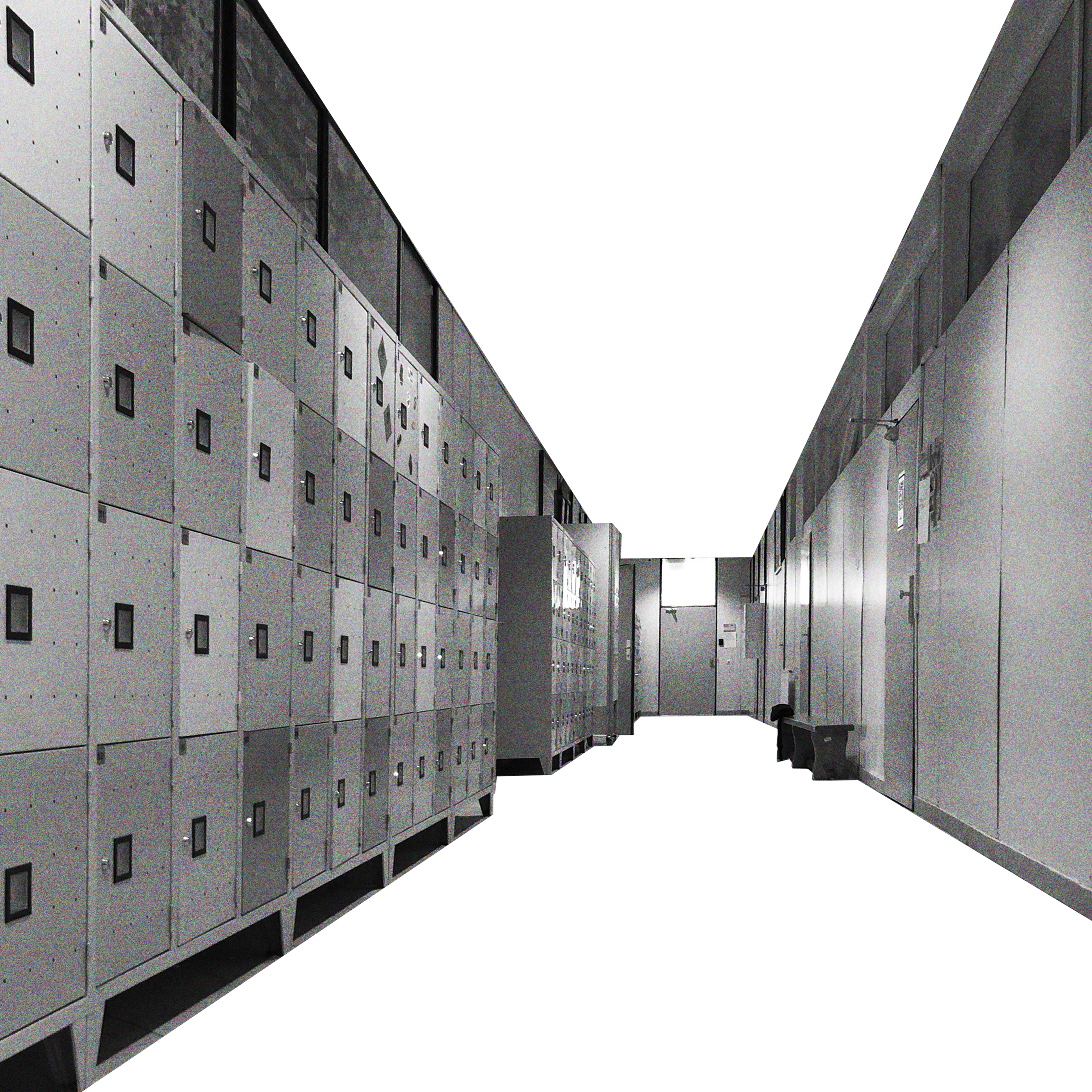
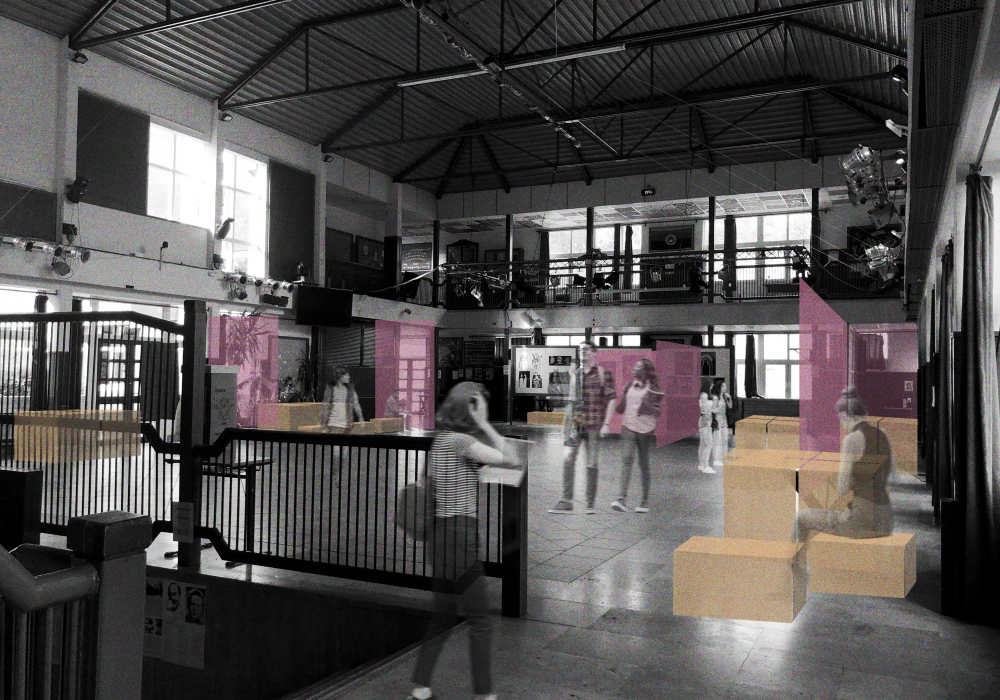
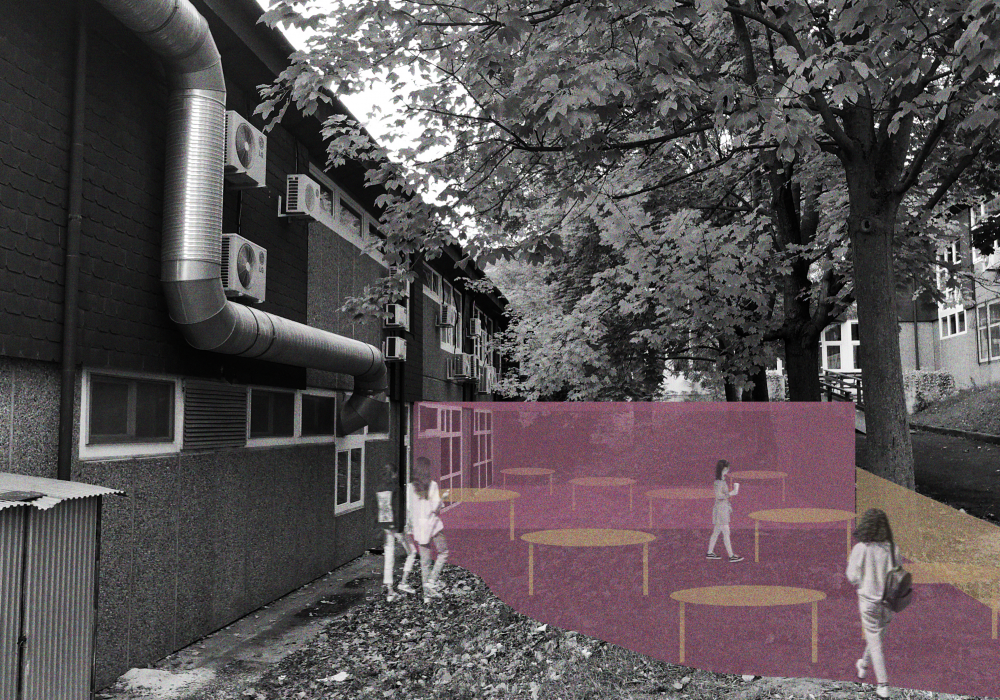
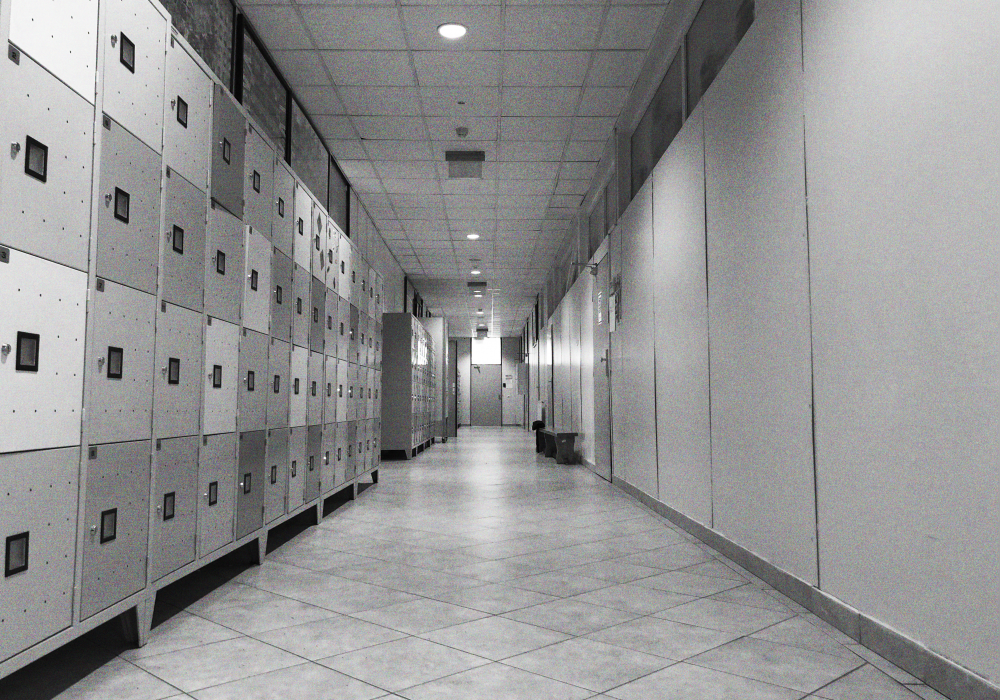
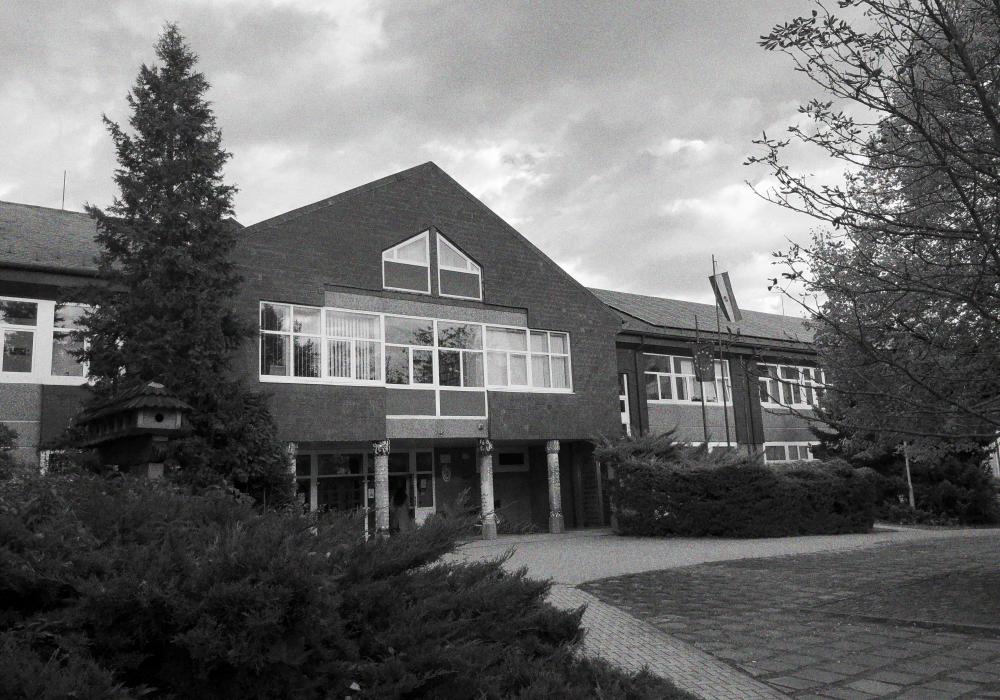
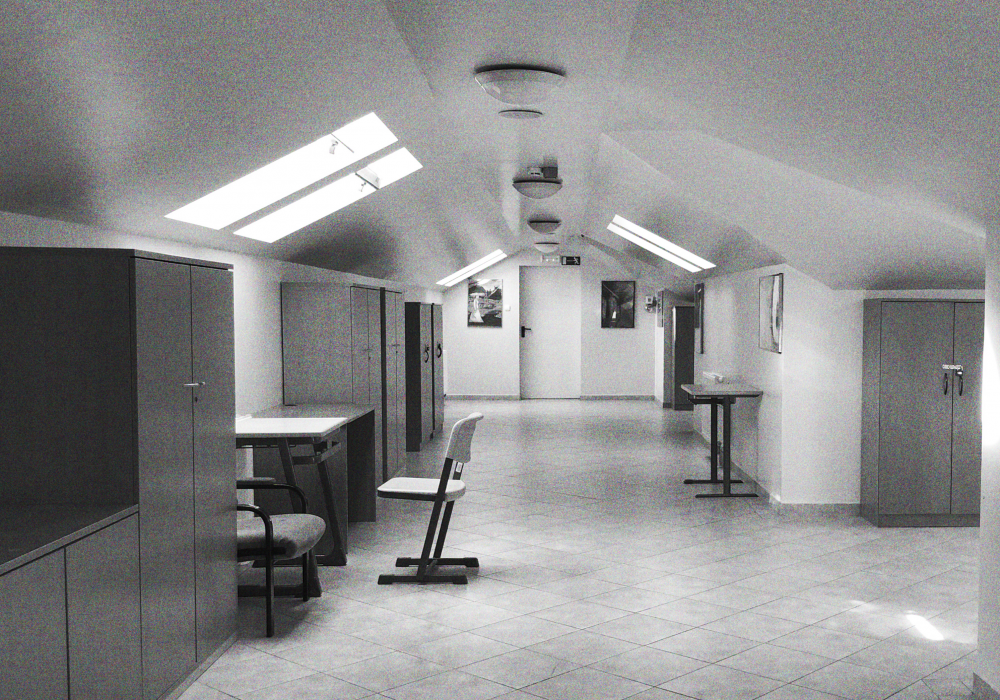
Our project called Space / Study / System is about rethinking the spaces of education for the needs of the 21st century. In the dissertation we talk about the conventional spaces and spatial organization of former schools, and then we make a proposal to rethink the outdated spaces following a strict system of rules. To present the current situation and future opportunities, we take our former high school, Illyés Gyula High School in Budaörs, as a continuous example. The school was built in the late eighties and has a typical barrack like layout.

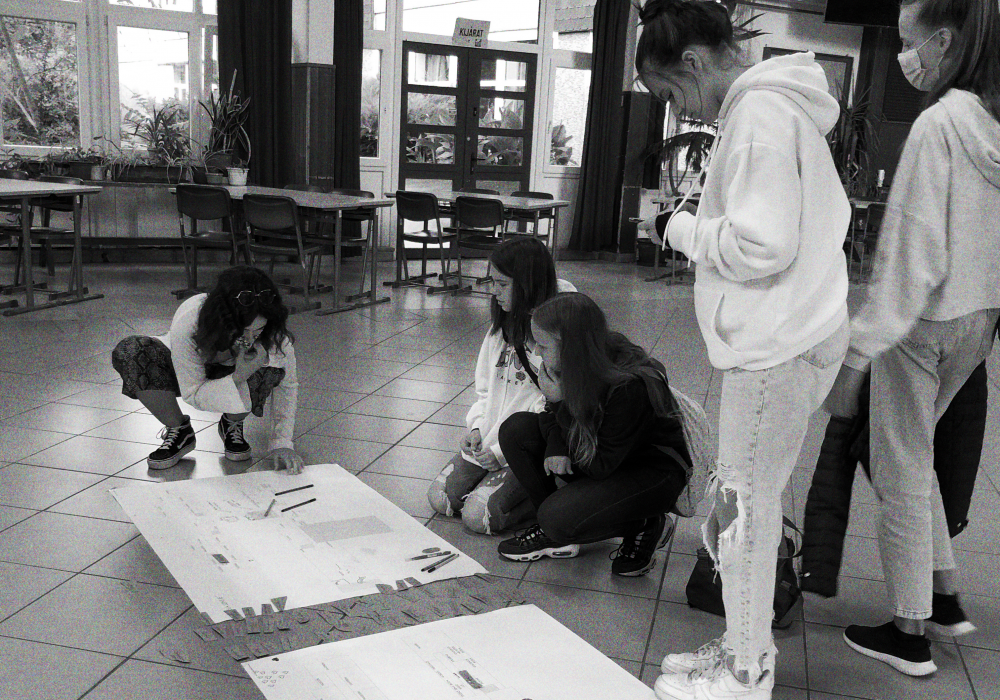
The research part of the study rests on two main pillars. On one hand, we conducted a comprehensive theoretical study on the topic of educational spaces, where we looked mainly at the obsolete and modern school spaces and the contradictions between them, primarily from an environmental psychological point of view. On the other hand, we used two different community planning methods to find out how the students and teachers of the high school feel about the different types of spaces they spend their days in (smaller and bigger community spaces, different classroms, cafeteria, foyers, etc.) We examined their needs and preferences by focusing on their habits, emotions, personality, goals and especially their sense of emotional security.

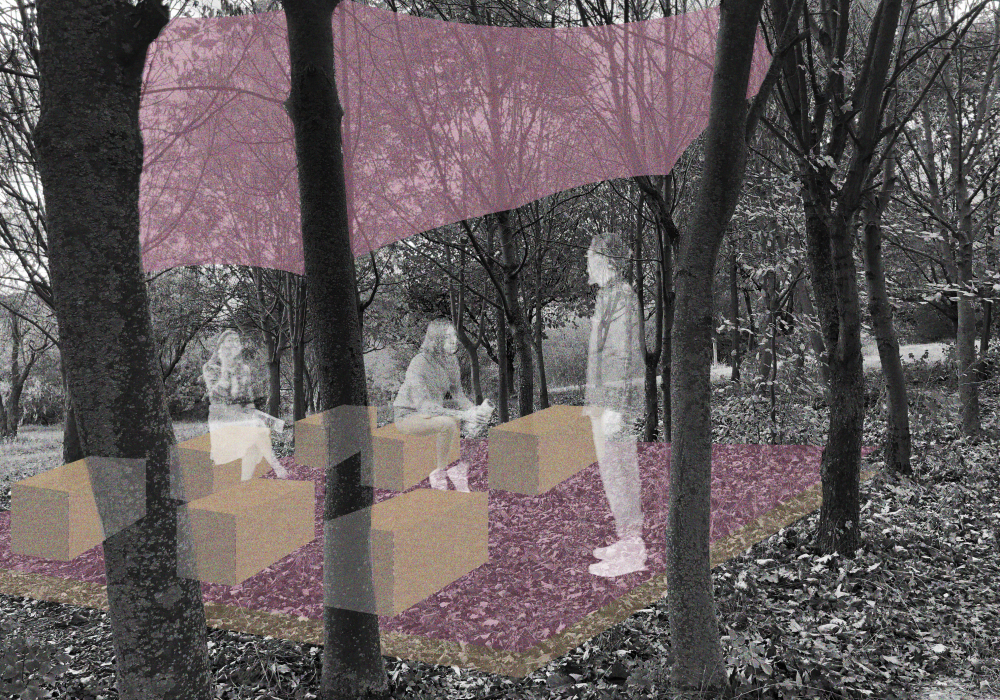
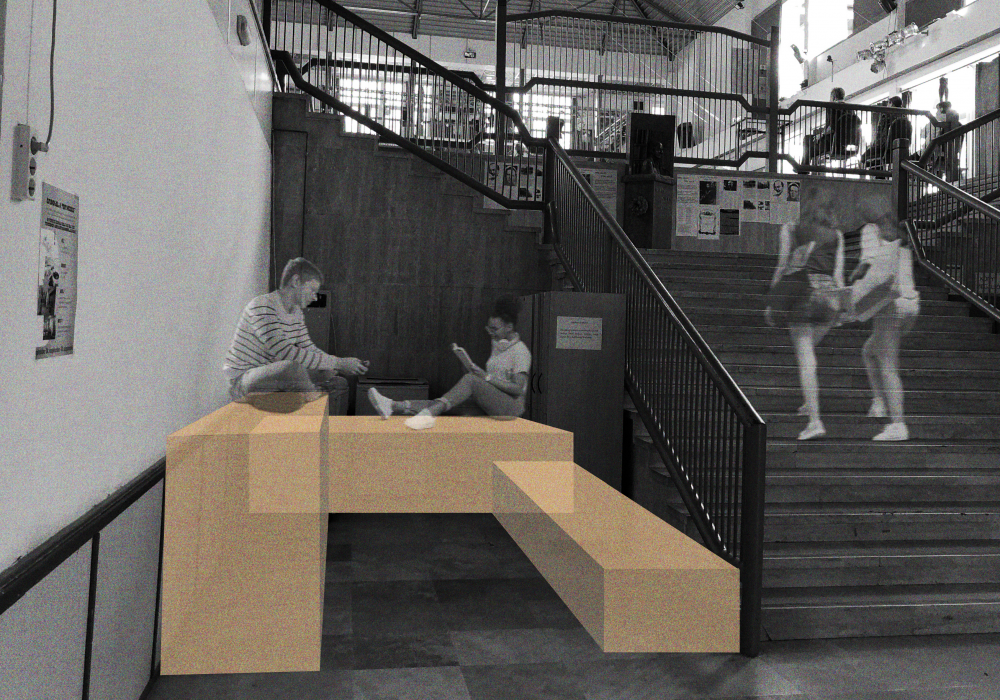
Based on the theoretical background and the experiences of the students, we have created an image of an ideal school that can provide a solid base to begin the actual planning process of a future spatial transformation. We also aim to make these aspects transferable to other school communities in the future. The study does not primarily seek to overwrite or „modernize” the exterior of an existing school but rather suggests functional innovation built on basic psychological needs and the importance of a network of closed spaces (e.g. library), gathering places, transitional spaces or quiet corners that provide the sense of security.

The entire research can be viewed here.

Consultants: György Alföldi DLA, Olívia Kurucz, Judit Dobosné Gerzsenyi

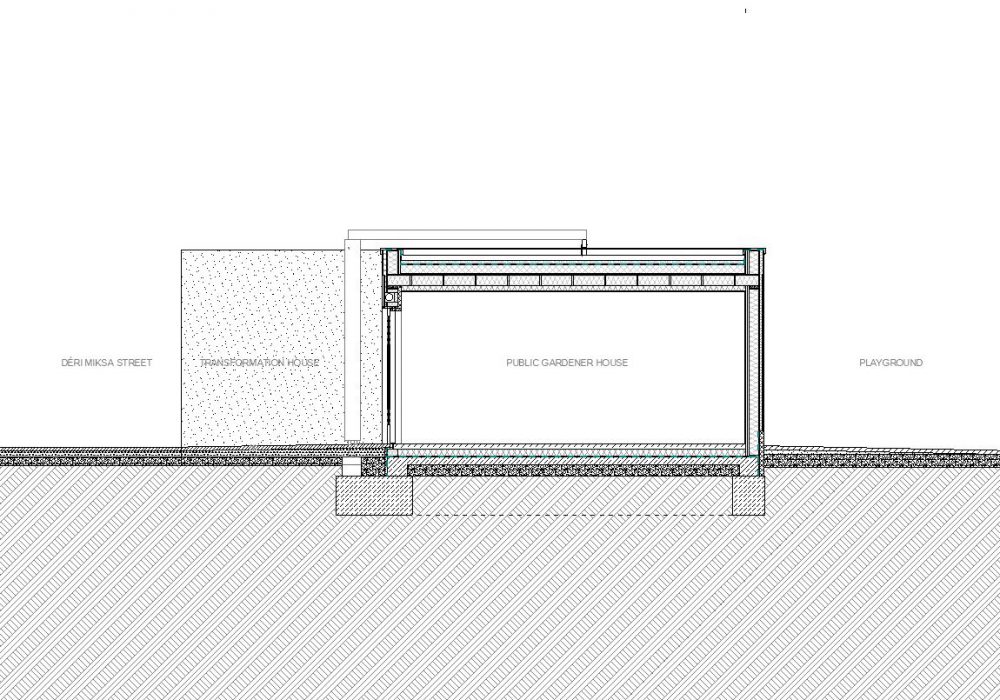
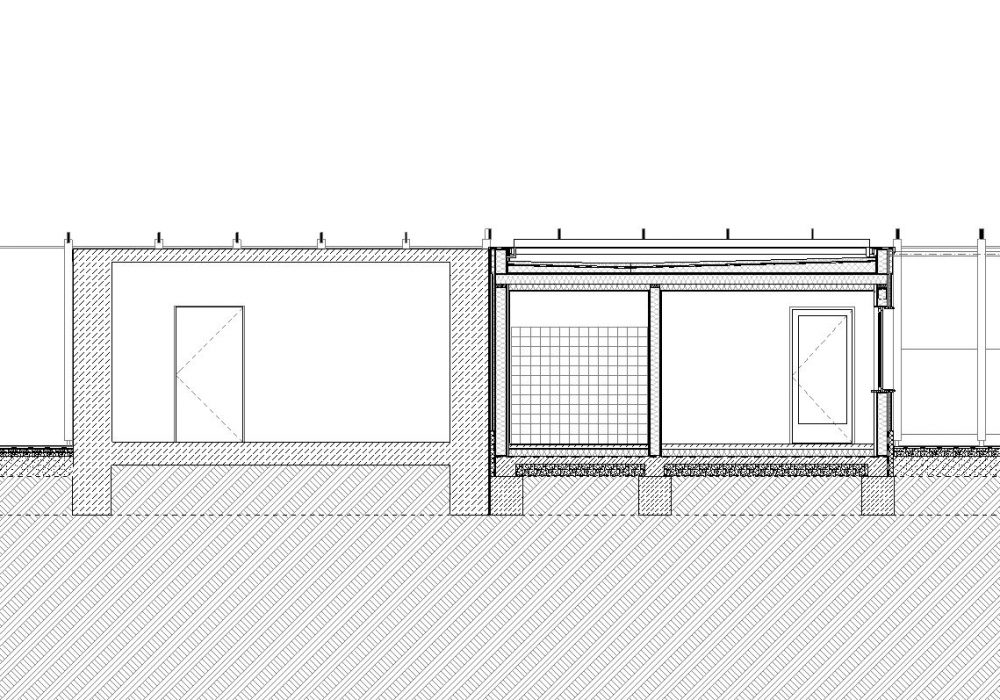
BP8 – Public gardener house

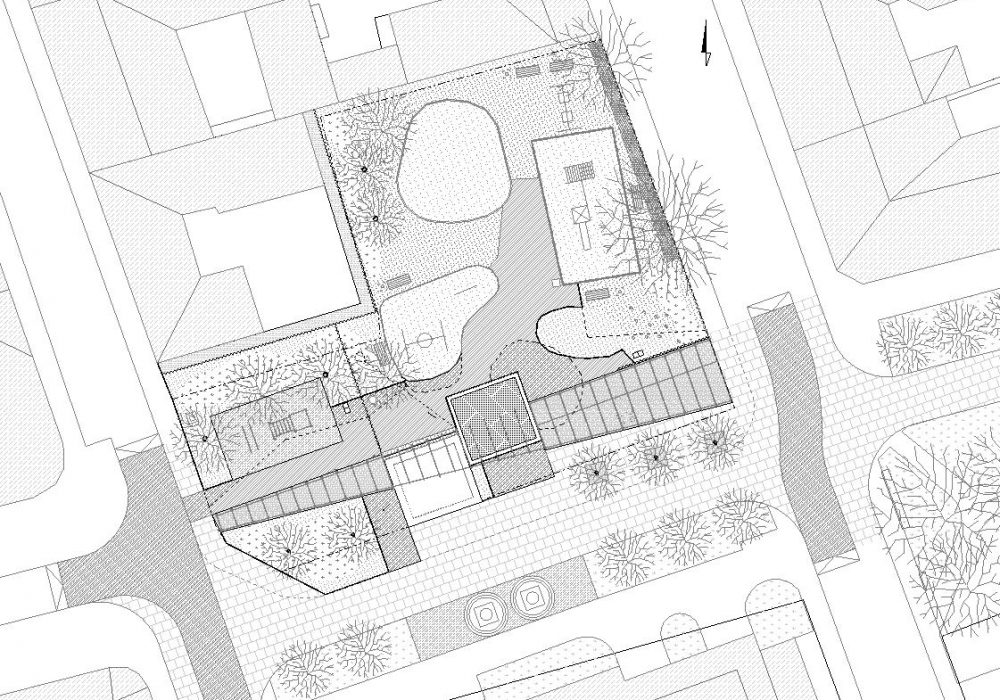
The special lovable character of Déri Miksa Street is ensured by several elements. The wide airspace ratio and the elements of the public space system interwoven with plants – green areas, car parks, roads, landscapes, pedestrian and bicycle surfaces – provide opportunities for development. The street connects – as a „bridge” – two important areas of Józsefváros, the Magdolna Quarter and the Palace Quarter. These two quarters are different in every respect – this is what makes Józsefváros interesting.

The existing playground in the design area was formed on an “empty ground”, hanging a little into the geometry of Déri Miksa Street, at the foot of houses with various heights, ages and architectural values. In connection with the TÉR-KÖZ tender, the local government set out to “recycle” the street and prepared plans for this purpose.

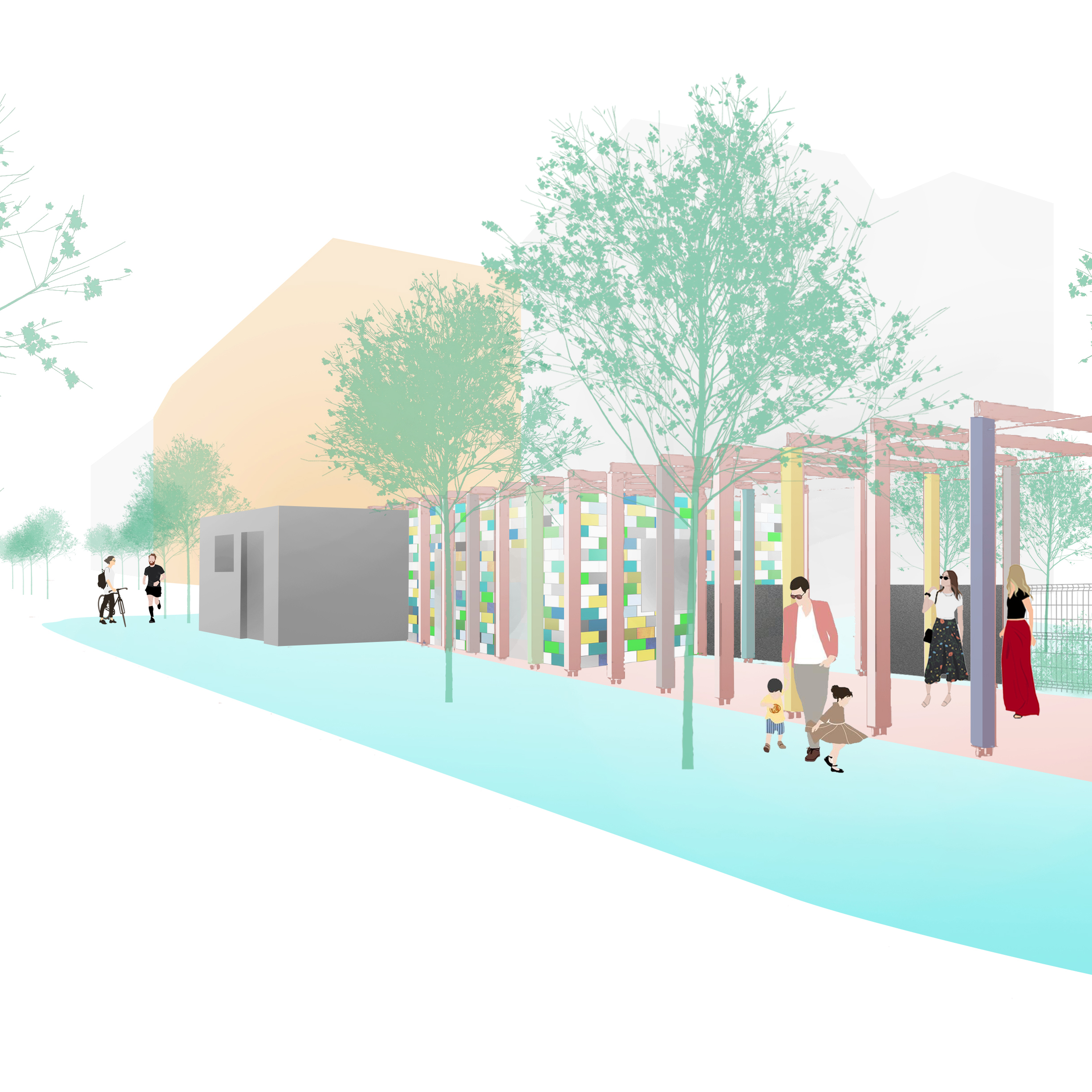
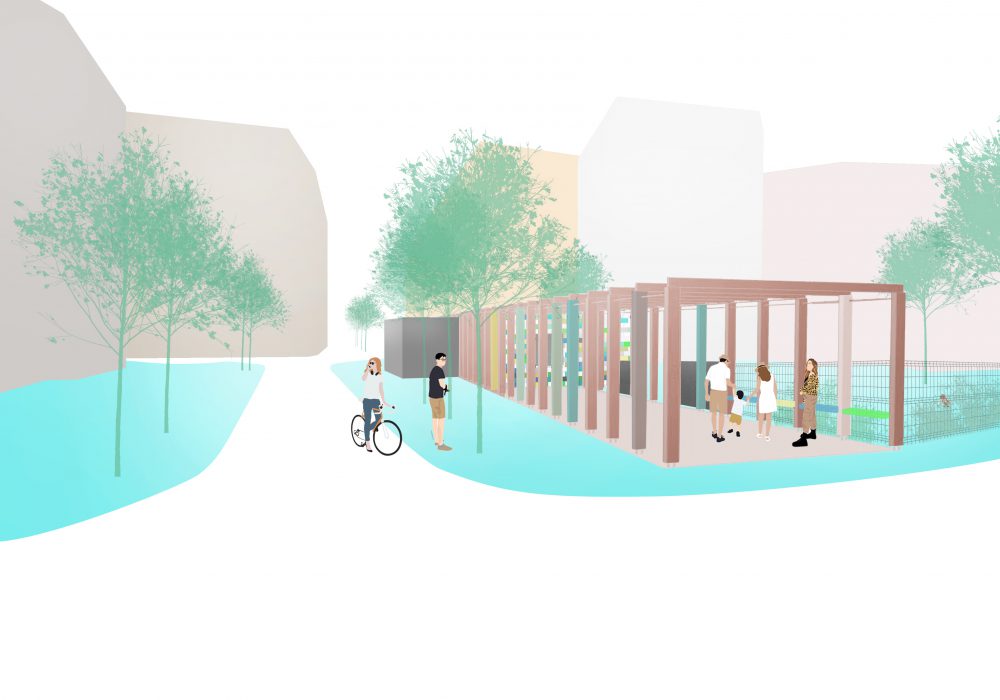
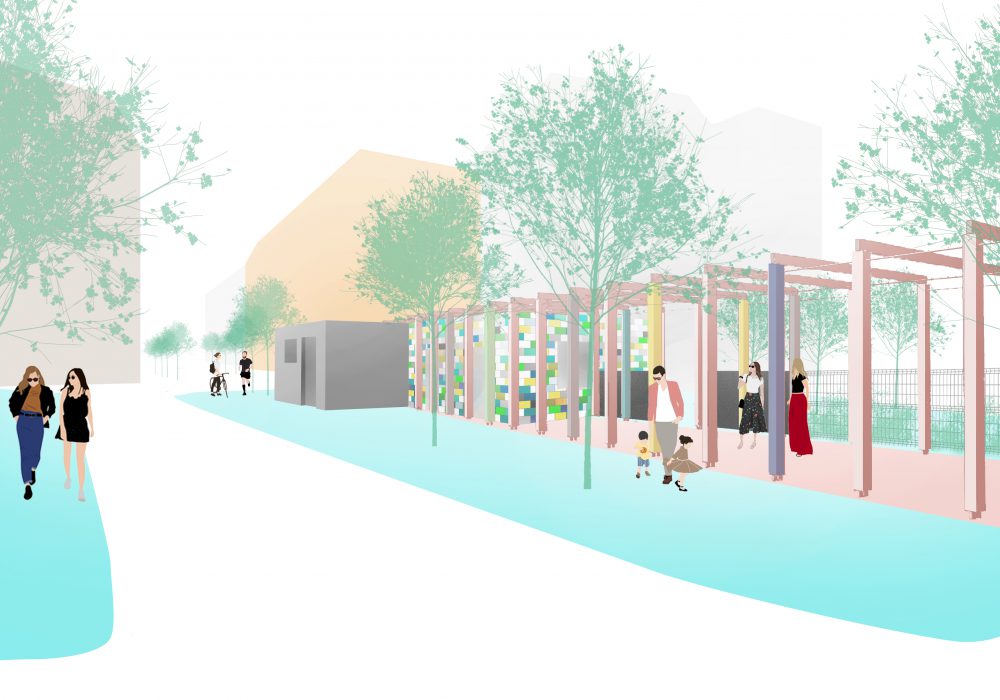
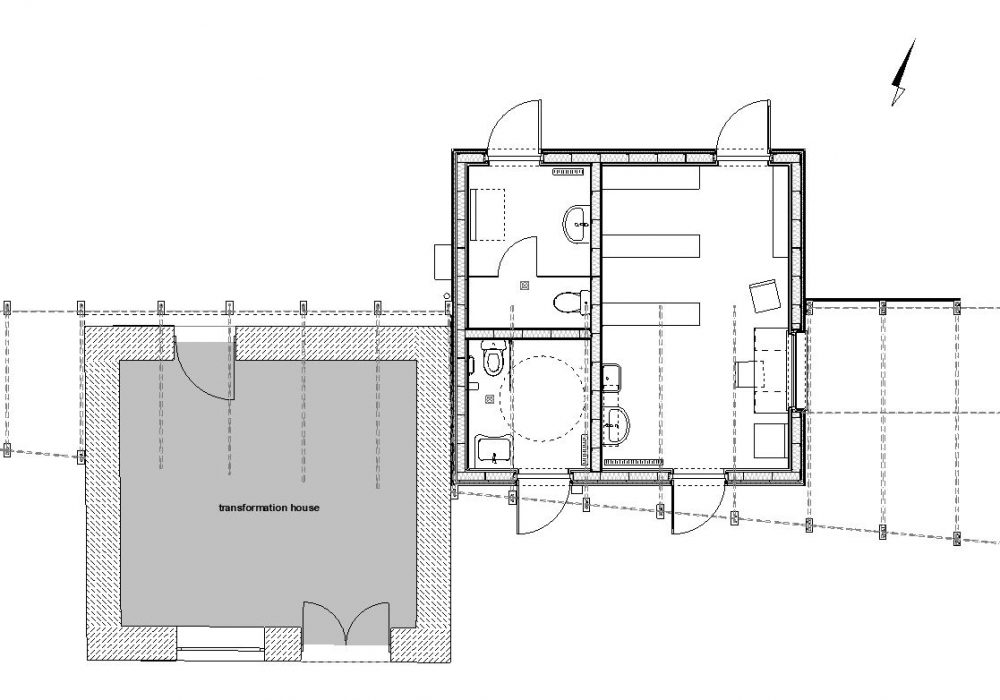
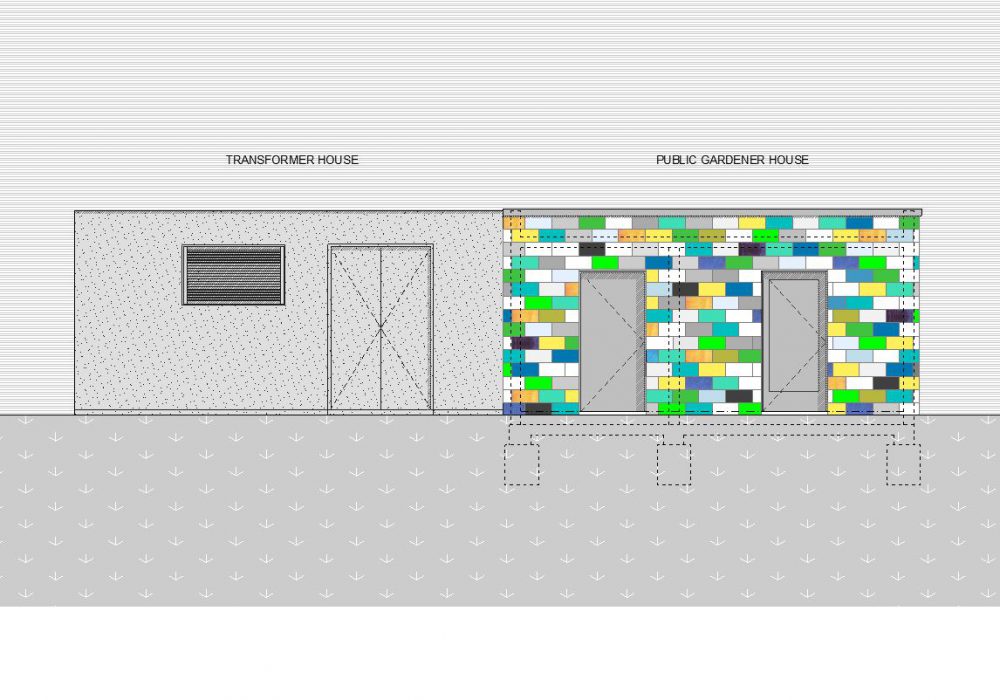
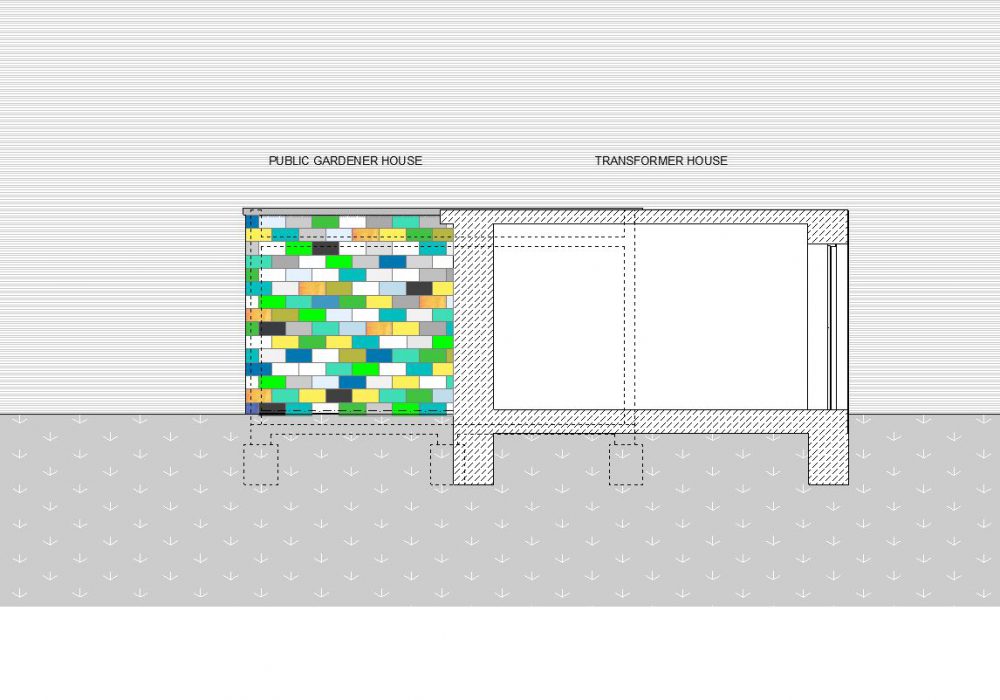
Our plan wants to take advantage of this „ground atmosphere” and to make the existing space-fracture more perceptible. Miksa Déri – who studied at the Budapest University of Technology and Economics – was the inventor of the transformer with Otto Bláthy, Károly Zippernovszky. Therefore, one of the key points of the plot is the TRANSFORMER HOUSE, which defines the space with its location. According to our plan, the transformer house is supplemented with two space-forming new elements: the connected transformer-size PUBLIC GARDENER HOUSE and the PERGOLA, which solves the connection and separation of different space quailties.

The Municipality of Józsefváros is committed to „green thinking”, sustainability and climate awareness. Therefore, we used these principles in the selection of new building materials and in the reusing of former built-in materials. These choices allow the Municipality to involve the community in the designing of the building’s appearence and final details, so the environment can be „build” together with the community.

Architects: Imre Bokányi, Olívia Kurucz, György Alföldi
Project team: László Kakasy, István Sajtos, Norbert Érces, Tamás Barbarics, Zsolt Huszár


JALTP Additions – Zsombor Hernádi, Márton Zacher
Urban Design Award 2020 – 3rd prize

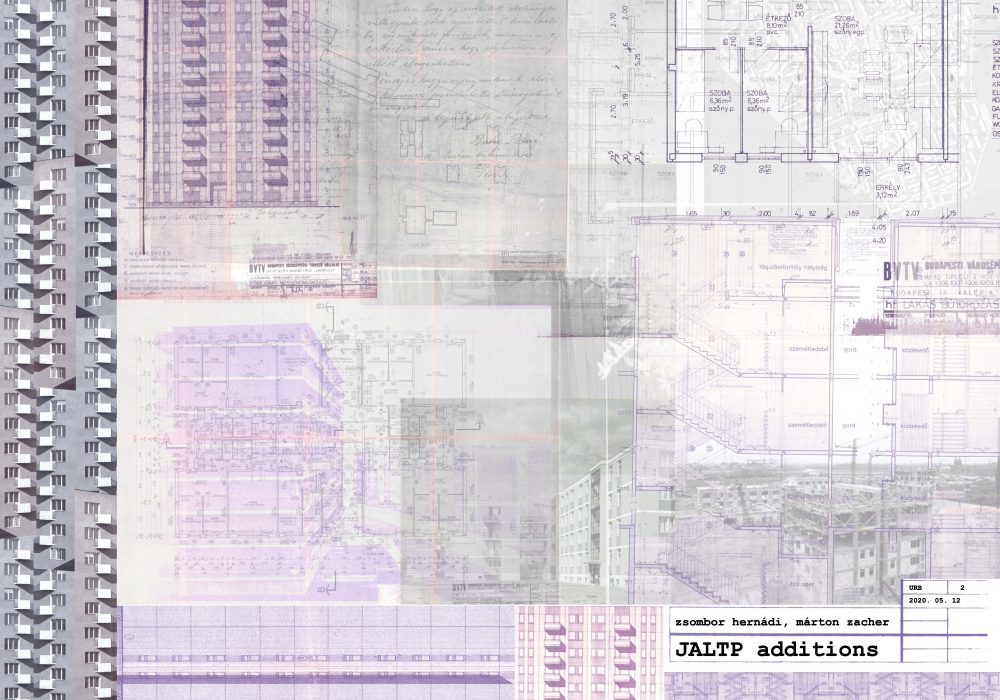
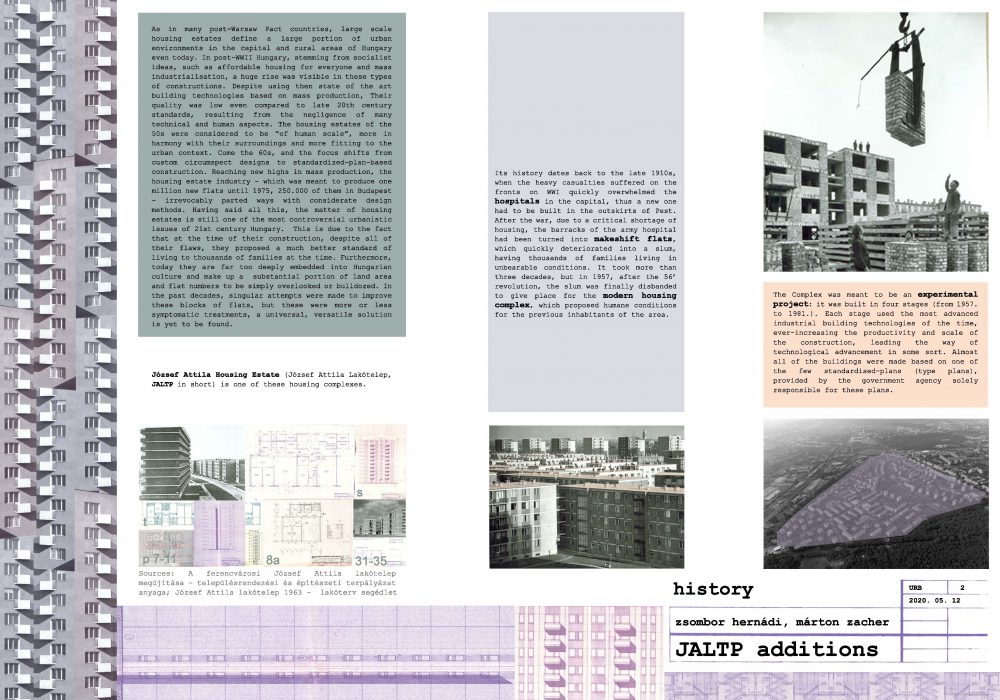
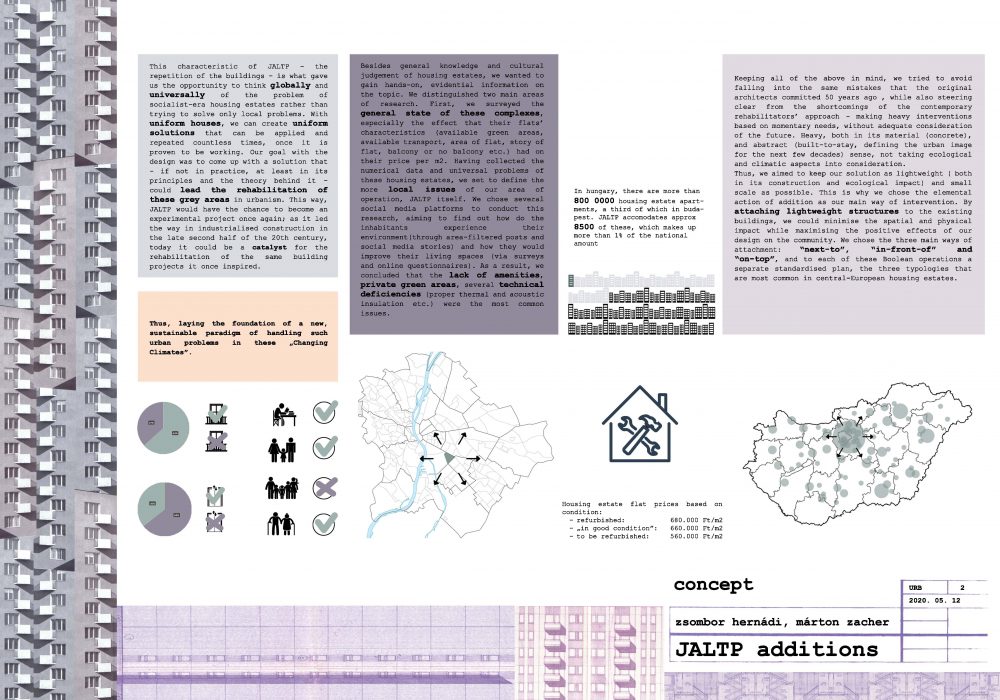
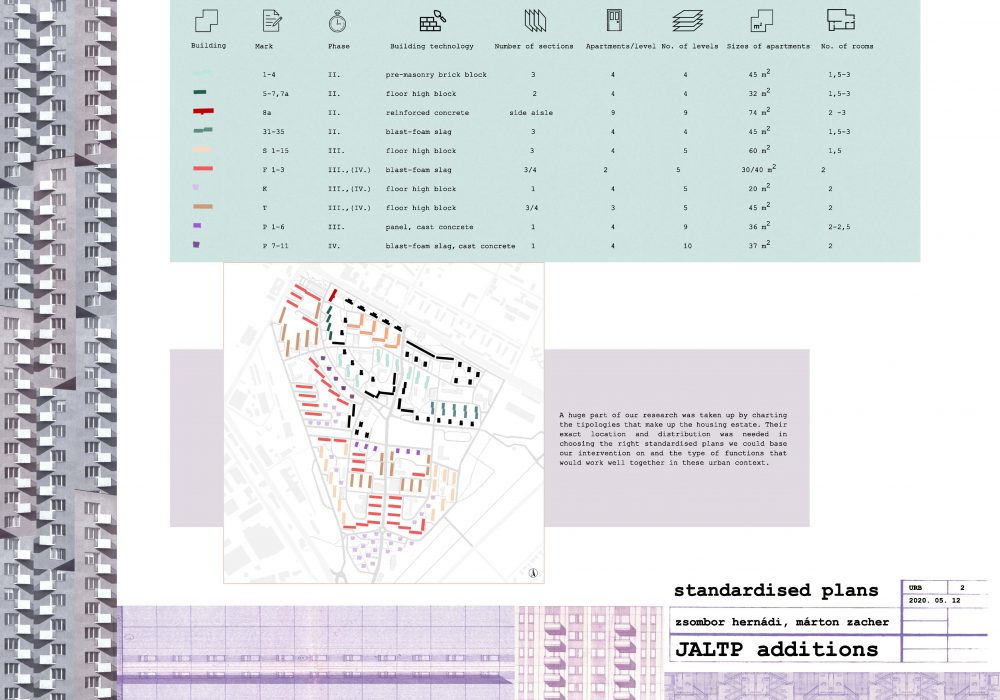
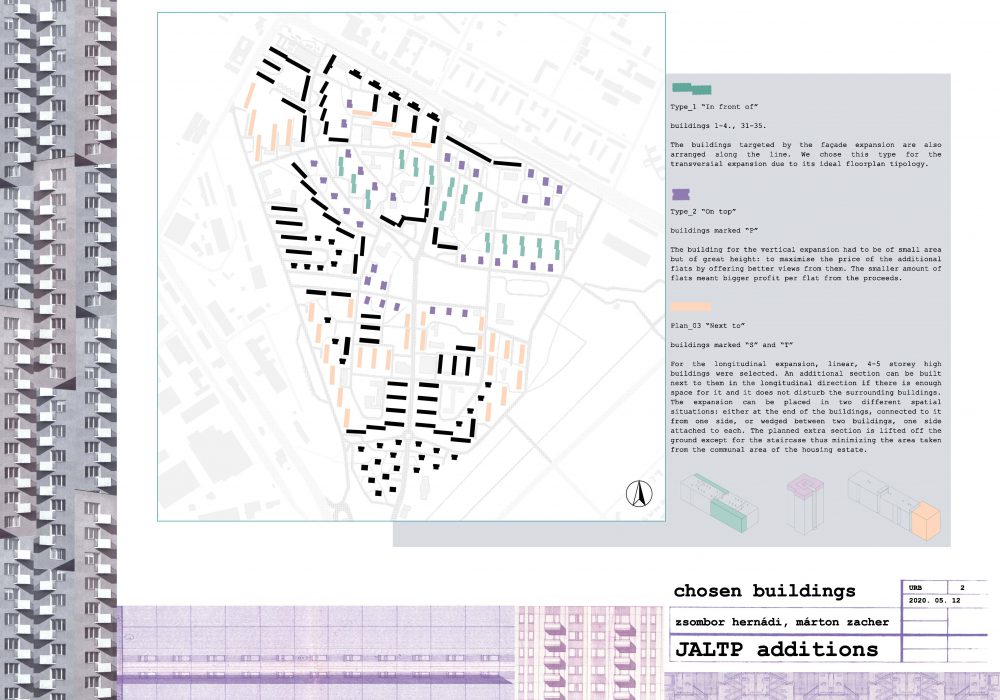
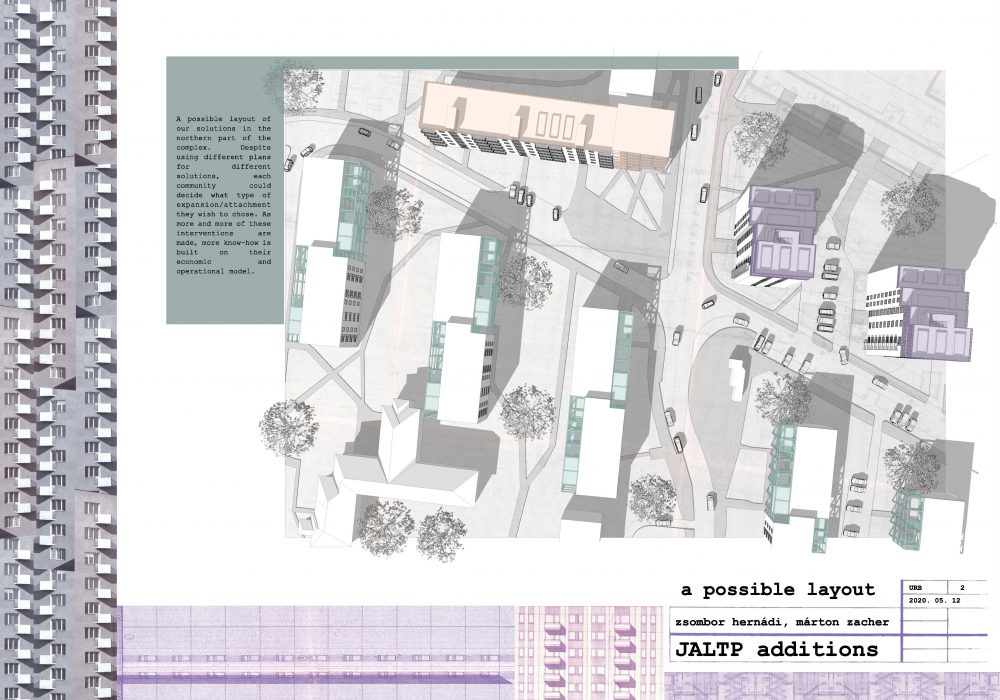
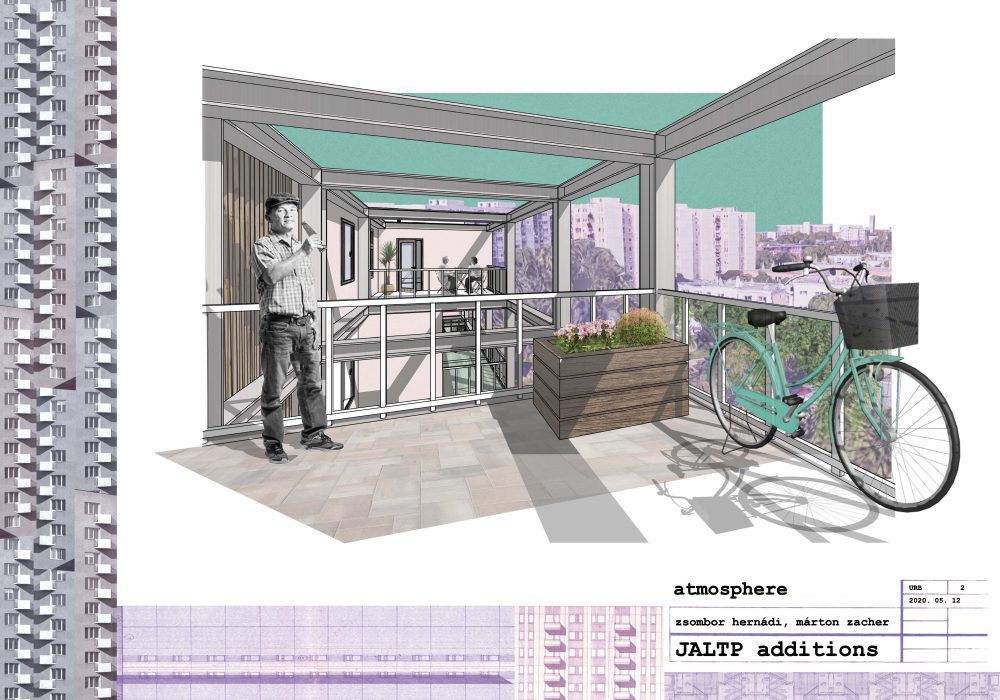
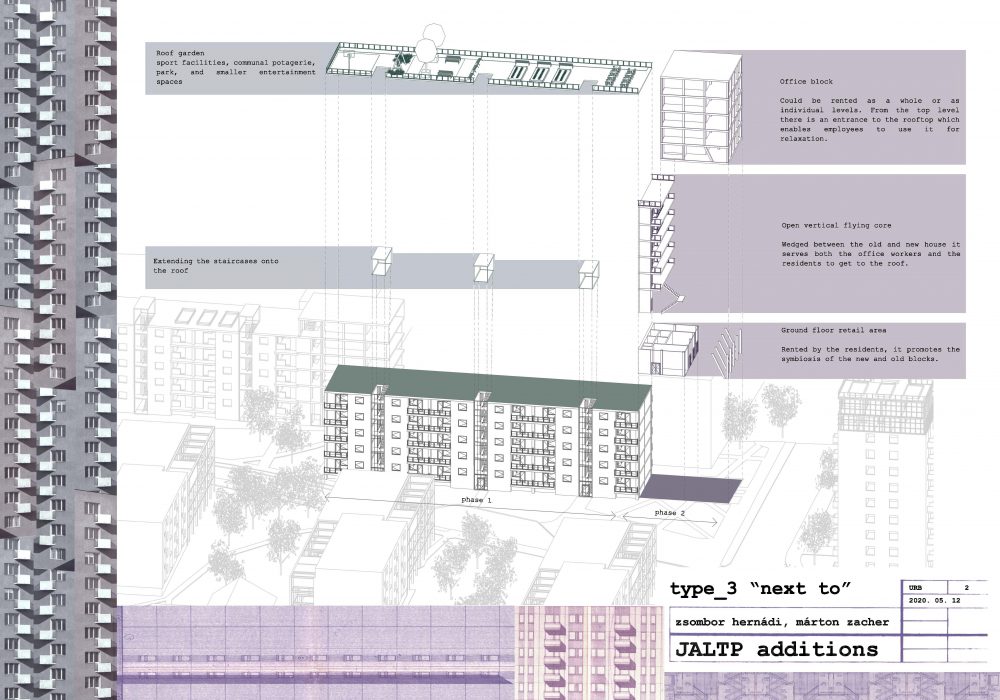
The József Attila Housing Estate (József Attila Lakótelep, JALTP in short) is one of Budapest’s largest socialist housing estates. It was created as an experimental housing estate, showcasing the latest technologies in mass production from decade to decade. With our proposal, we wish to once again make JALTP show the way of advancement but this time by laying the foundation of a new, sustainable paradigm of handling such urban problems in these „Changing Climates”. In accordance with green principles and population growth, we decided to choose the elementary action of addition. Choosing three common tipologies, we created three solutions, each based on participatory design and a symbiosis between the inhabitants and outside parties.

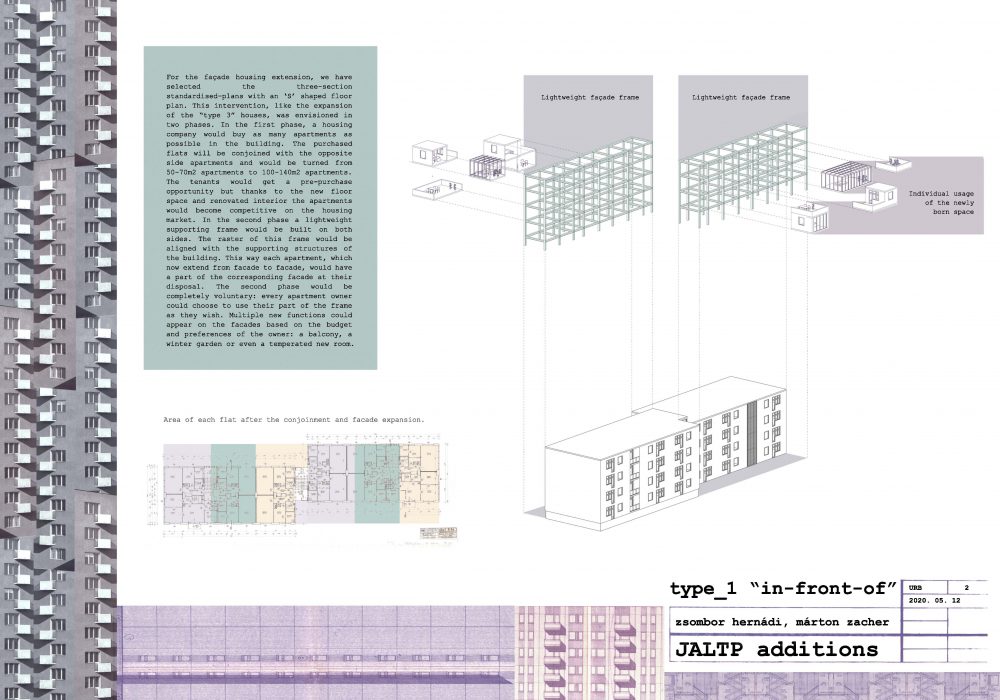
The first intervention was envisioned in two phases. In the first phase, a housing company would buy as many apartments as possible in the building. The purchased flats would be conjoined with the opposite side apartments and would be turned to 100-140m2 apartments. Thanks to the bigger area and renovated interior the apartments would become competitive on the housing market. In the second phase a steel frame would be built on both sides. This way each apartment, which now extend from facade to facade, would have a part of the corresponding facade at their disposal. The second phase would be voluntary: every apartment owner could choose to use their part of the frame as they wish; a balcony, a winter garden or even a temperated new room.

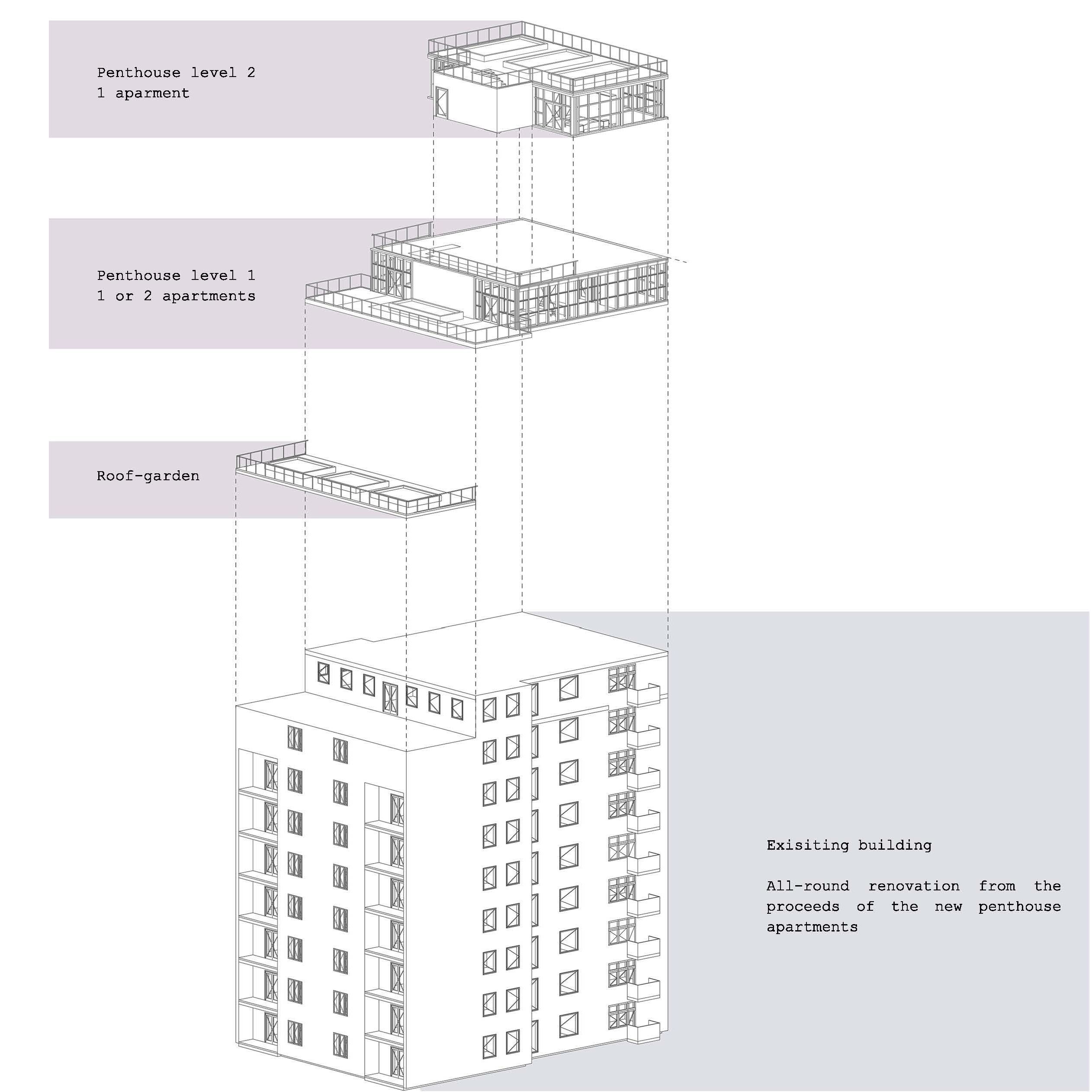
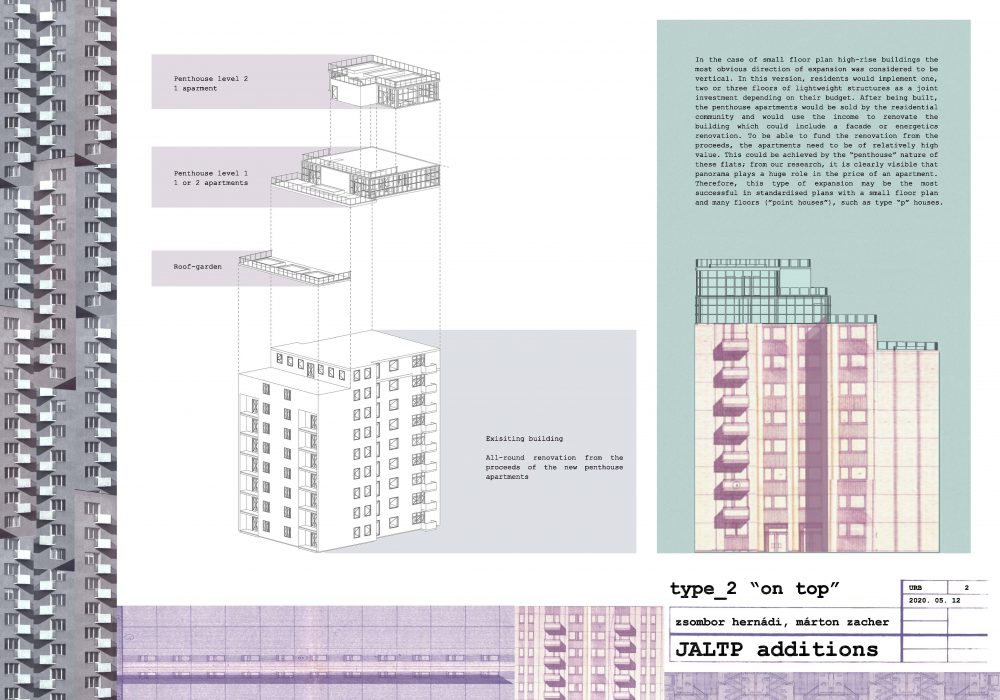
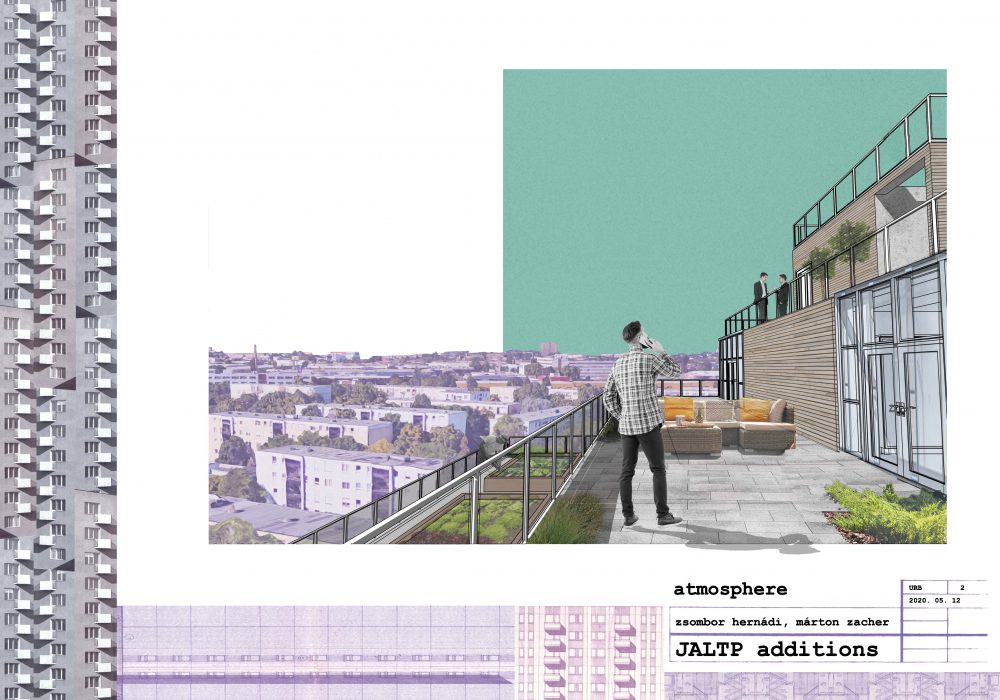
In the case of high-rise buildings the most obvious direction of expansion was considered to be vertical. In this version, residents would implement a few stories of lightweight structures as a joint investment. After being built, the penthouse apartments would be sold by the residential community and the income would be used to renovate the building. To be able to fund the renovation from the proceeds, the apartments need to be of relatively high value. From our research it is clearly visible that panorama plays a huge role in the price of an apartment. Therefore, this type of expansion may be the most successful in standardised plans with many floors.

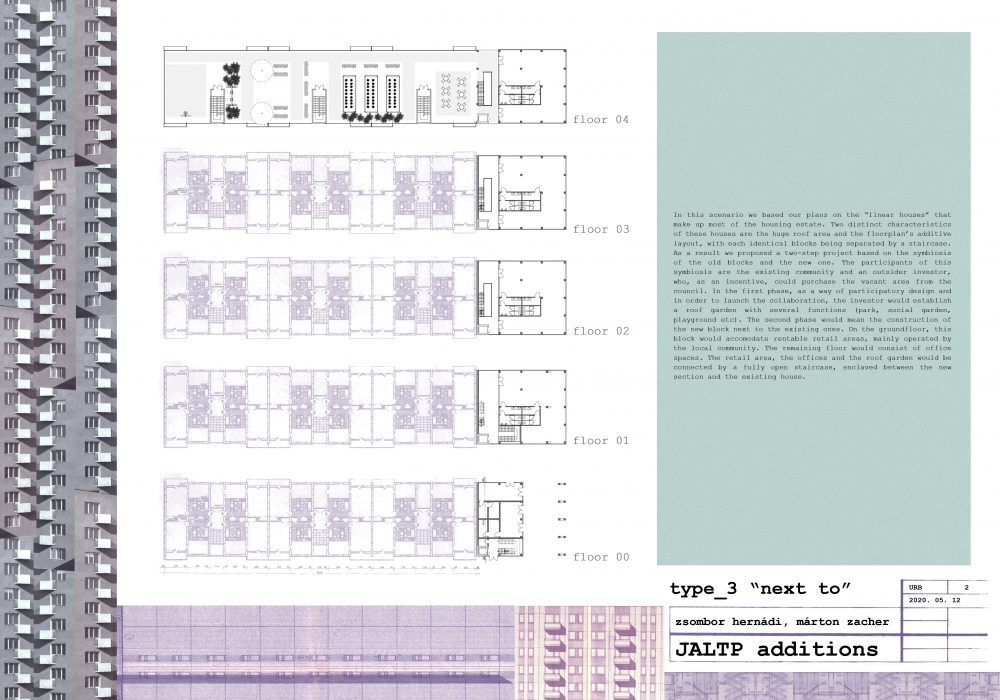
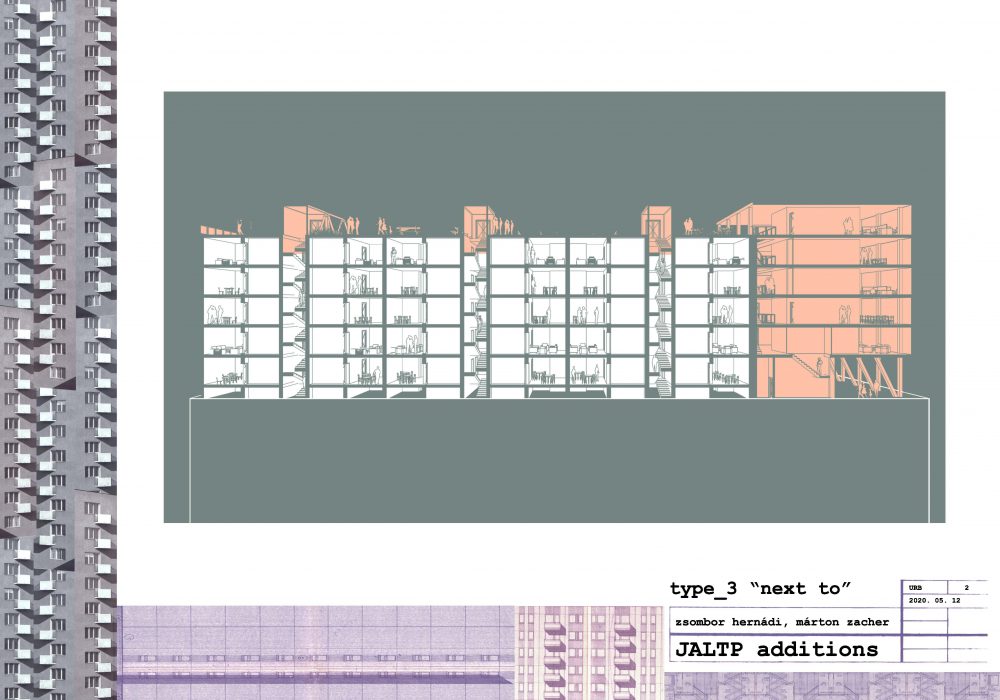
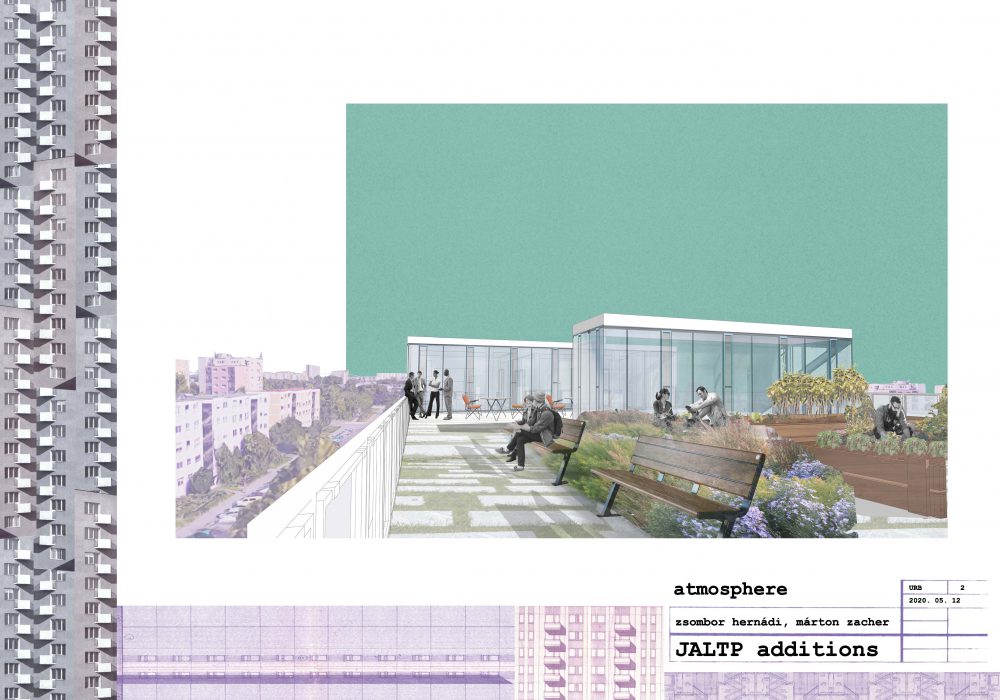
In the third scenario we based our plans on the “linear houses” that make up most of the housing estate. We proposed a two-step project based on the symbiosis of the old blocks and a new one. The participants of this symbiosis are the existing community and an outsider investor, who could purchase the vacant area from the council. In the first phase, as a way of participatory design, the investor would establish a roof garden with several functions. The second phase would mean the construction of the new block. On the groundfloor, this block would accomodate rentable retail areas, mainly operated by the local community. The remaining floors would consist of office spaces.

This project evolved from the plans of BP9 / JALTP – Studio Works – Urban Planning and Design 2 subject by UFLab.
Consultants: prof. Dr. György Alföldi DLA, Olívia Kurucz

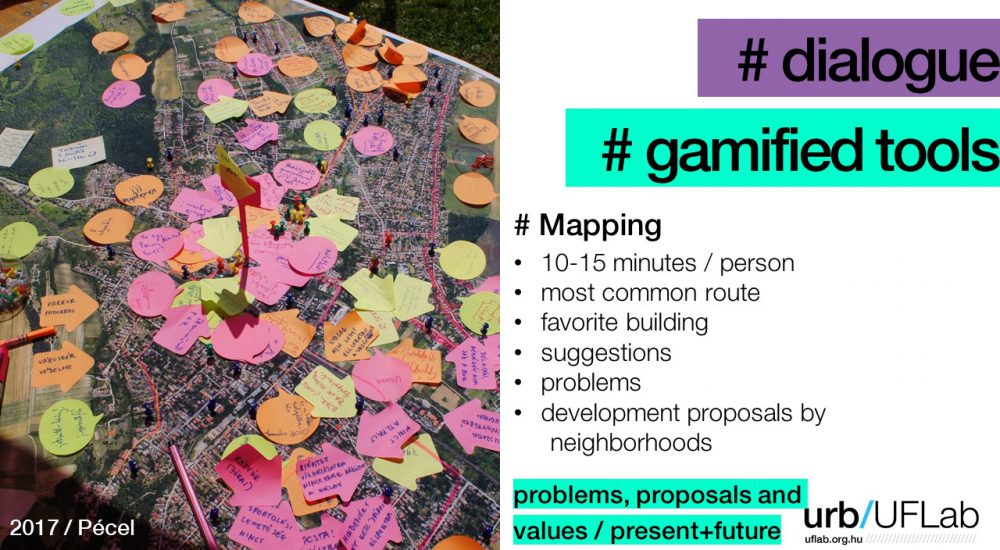
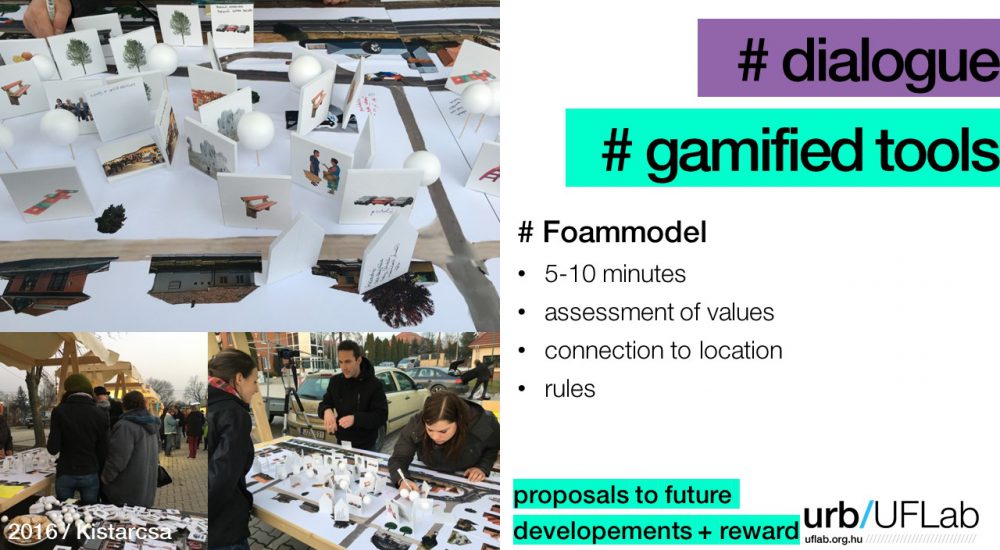
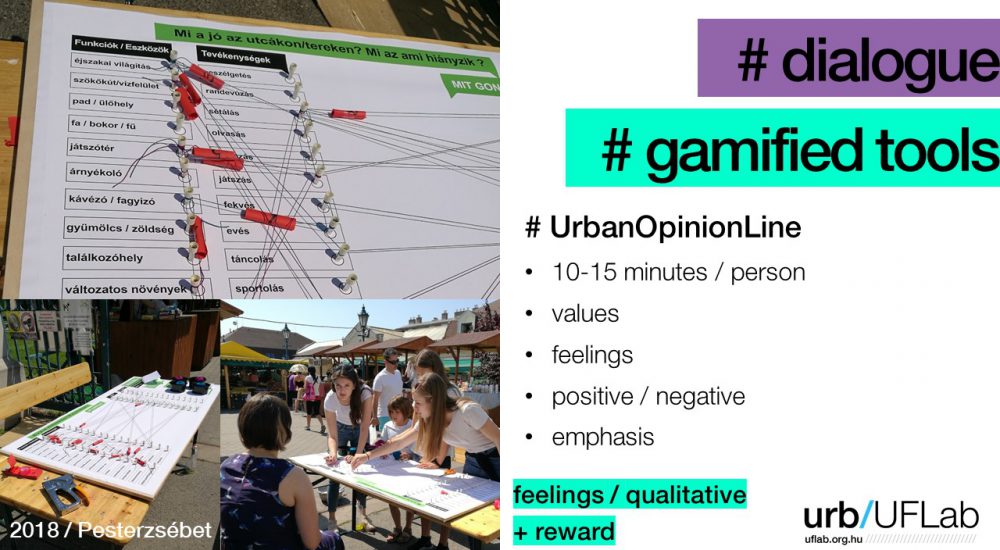
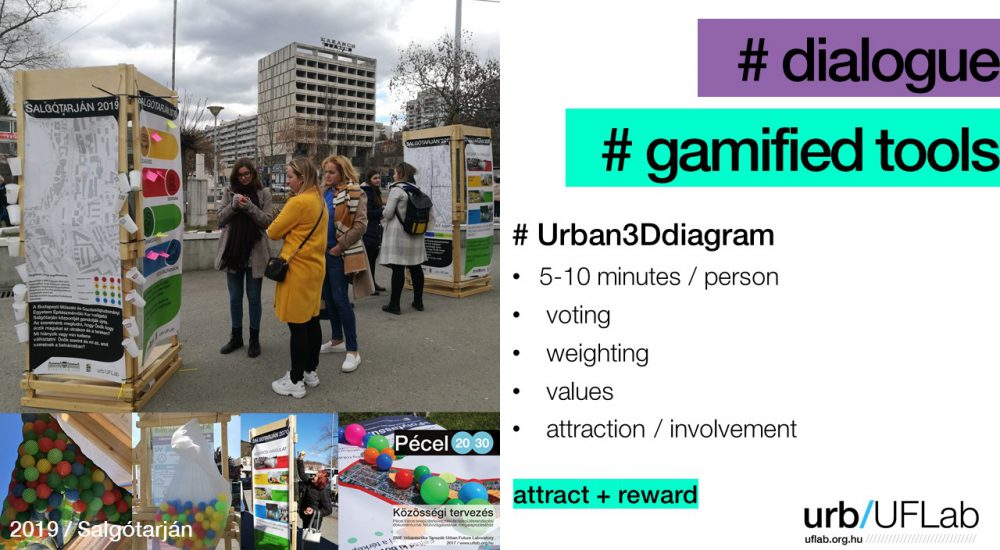
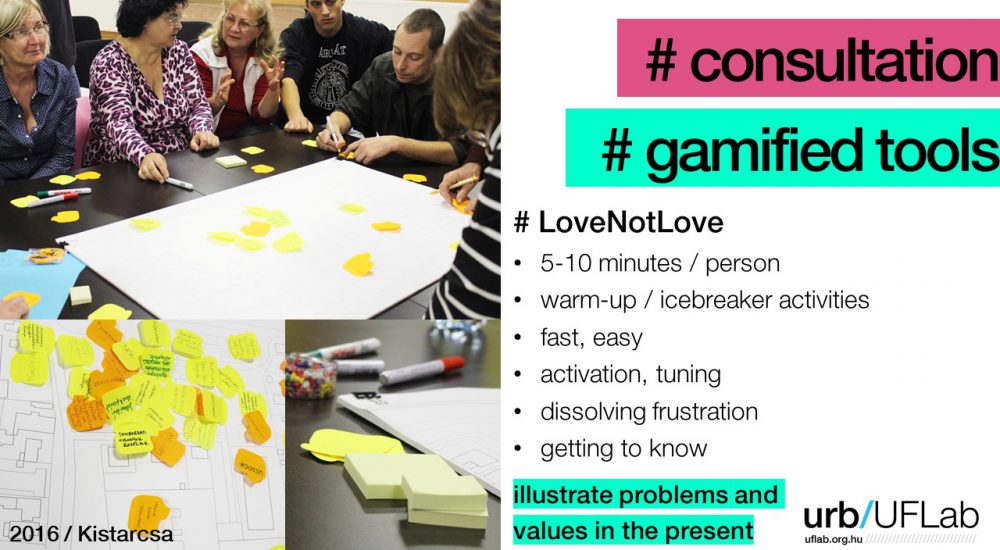
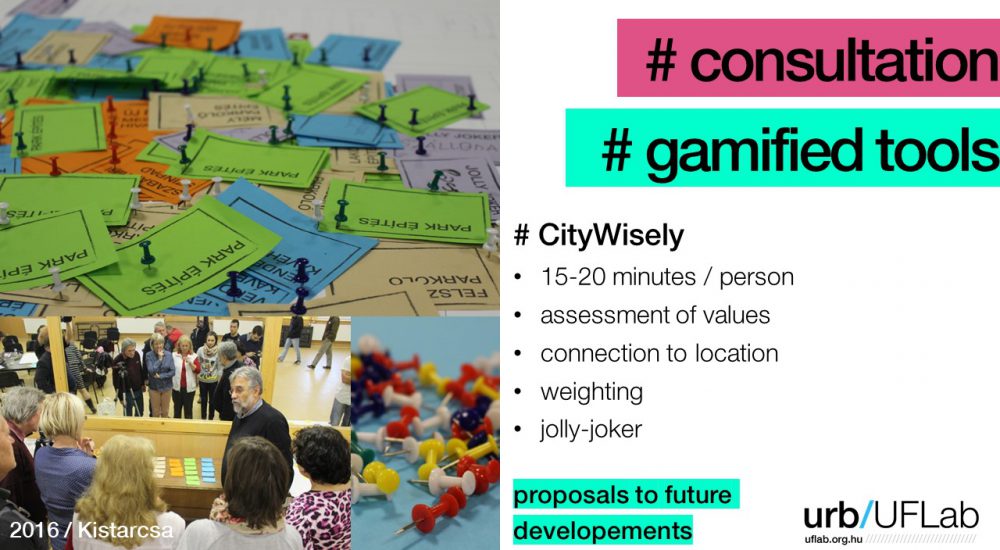
Urban Gamification: Analyzing the Effects of UFLab’s Tangible Gamified Tools in Four Hungarian Urban Public Participation Processes

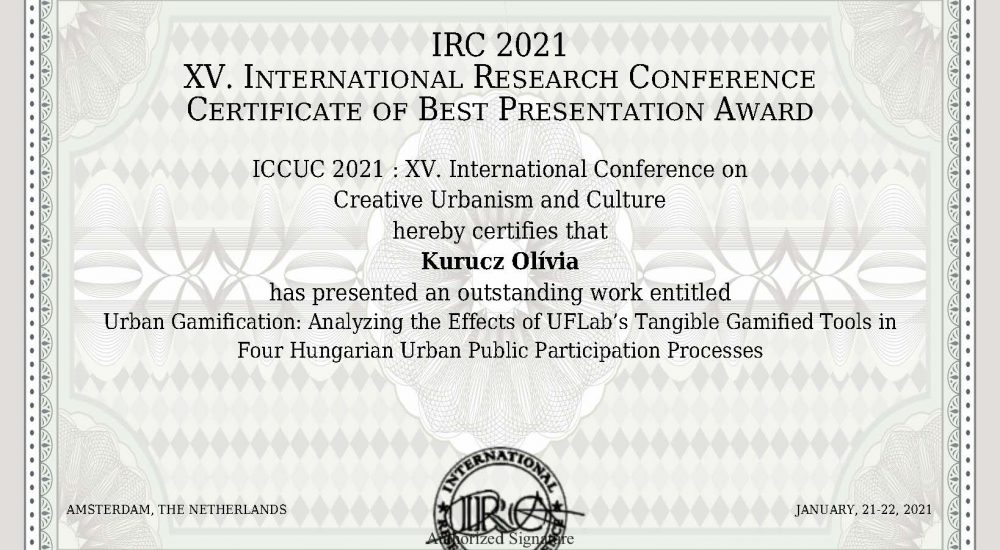
Olivia Kurucz has participated in the 15. International Conference on Creative Urbanism and Culture [January 21-22, 2021 in Amsterdam, Netherlands] and won the Best Presentation Award.

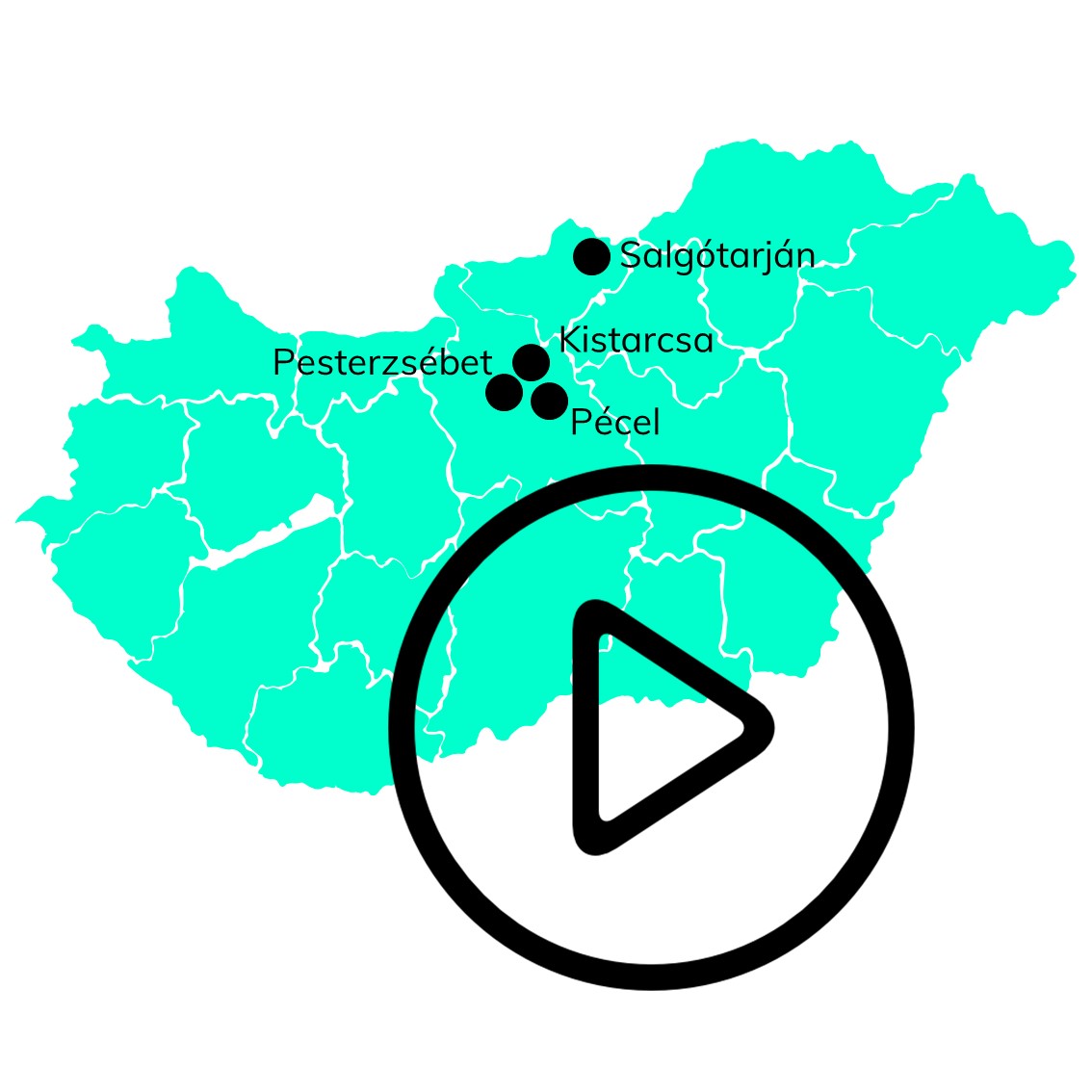
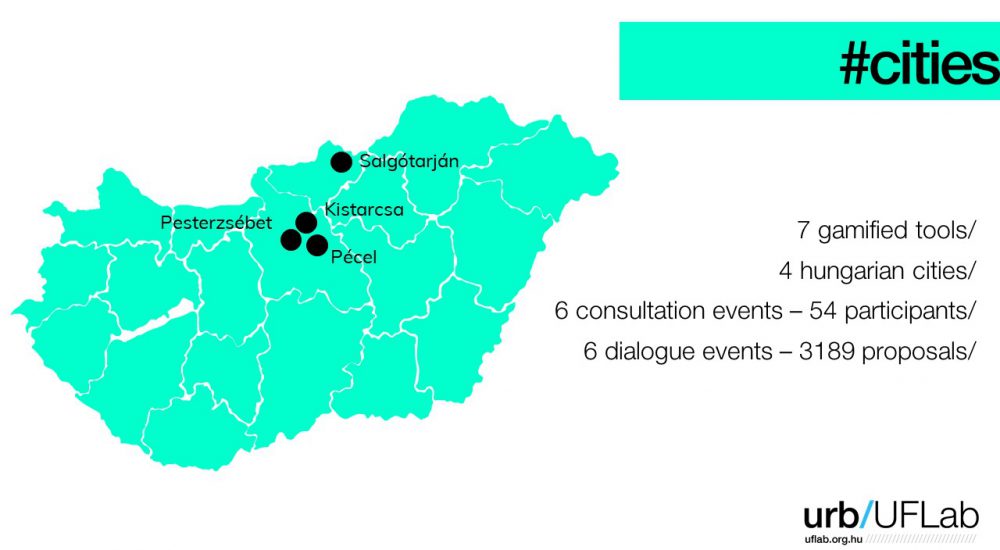
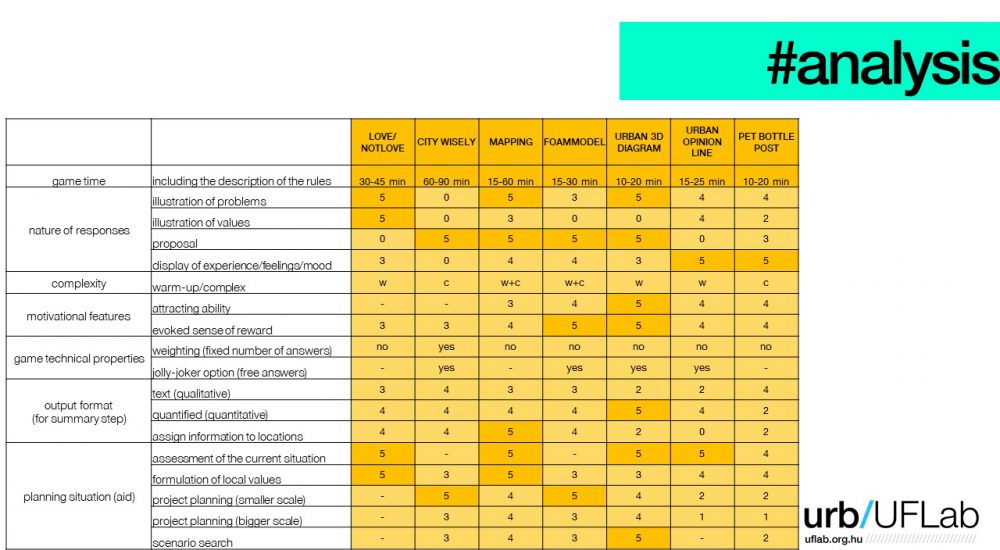
Abstract: Gamification is one of the outstanding new methodological possibilities of urban public participation processes to make the most informed decision possible for the future steps of urban development. This paper examines four Hungarian experimental projects in which gamified tools were applied during the public participation progresses by the Urban Future Laboratory (UFLab) research workshop of Budapest University of Technology and Economics (BUTE). The recently implemented future planning projects (in the cities of Pécel, Kistarcsa, Budapest, and Salgótarján) were initiated by various motives, but the multi-stakeholder dialogues were facilitated through physical gamified tools in all cases. Based on the urban gamification hypothesis, the use of gamified tools supported certain steps of participatory processes in several aspects: it helped to increase the attractiveness of public events, to create a more informal atmosphere, to ensure equal conditions for actors, to recall a design mindset, to bridge contrasting social or cultural differences, to fix opinions and to assist dialogue between city actors, designers, and residents. This statement is confirmed by assessing the applied tools, analyzing the case studies, and comparing them to perceive their effects and interrelations.

Keywords: experimental projects, future planning, gamification, gamified tools, Hungary, public participation, UFLab, urban gamification.

Author: Olivia Kurucz
Supervisor: prof. György Alföldi DLA

Social Urban Innovations – Városi Társadalmi Innovációk

A fizikai környezet fejlődése, a világban zajló szélsőséges gazdasági folyamatok hatására elakadt, miközben különösen a fejlődő térségekben egyre erősebb az igény a javulásra. Gondoljunk itt a leromlott és hiányos lakásrendszerekre (slumok, lakáshiány), a közterületek szerepváltozására, a COVID hatására vagy a klímaváltozás és a társadalmi változások közötti interakciókra.

A klímaváltozás sok terhet ró a városokra/településekre, de a közösségekre és egyénekre egyaránt. A leszakadó térségekben a klímaváltozás hatásait csökkentő szabályozások különösen élesen jelennek meg, nagy terhet jelentenek a családoknak és a településeknek, bár az új szabályok országosan fontosak. Milyen megoldásokat lehet ezekben a térségekben felvetni?

A közösségek feladata egyre jelentősebbé válik. A körkörös gazdaság vagy a közösségi energia megoldások szerepe az egyes települések életében egyre jelentősebb. A dinamikus társadalmi átalakulások mindenképpen igénylik a változást, miközben az intézményes társadalom egyre kevesebb szerepet tud felvállalni és erőforrást biztosítani. Felértékelődött a jelentősége a helyi közösségek szerepvállalásainak, valamint az eltérő kulturális és gazdasági karakterrel rendelkező rétegek egymás mellett élésének.

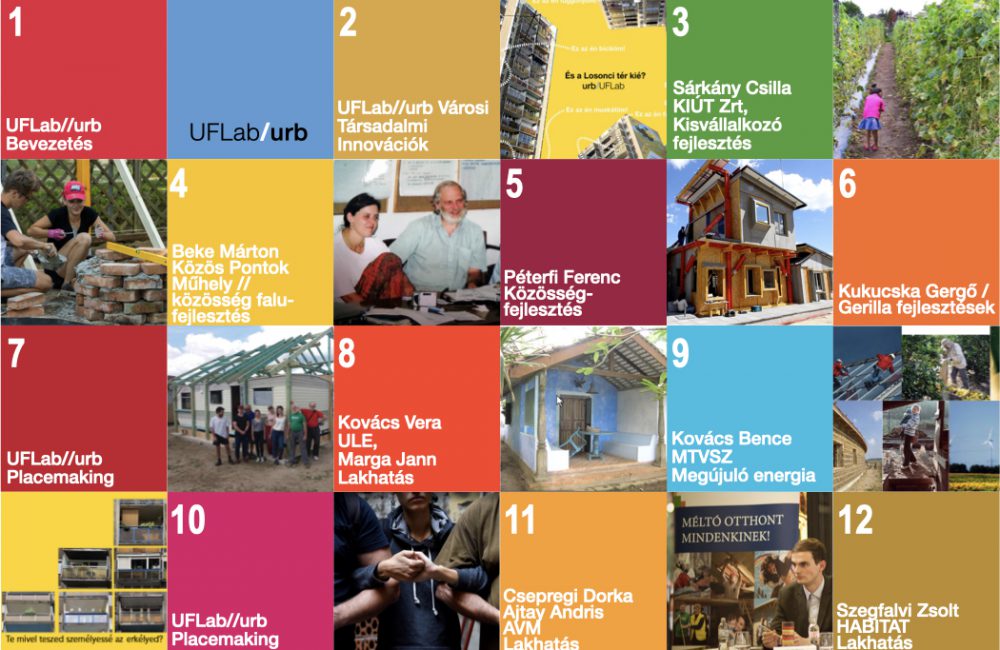
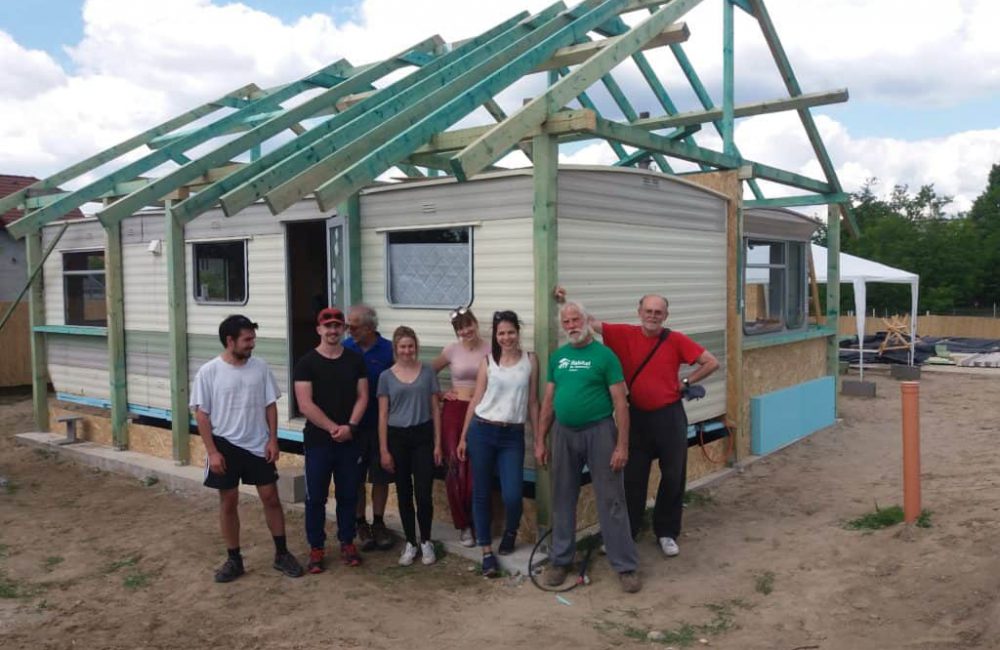
A Városi Társadalmi Innovációk “szabadon választható tárgy” a városi/települési térben megjelenő nemzetközi és magyar innovatív társadalmi kísérleteket mutatja be. Olyan beavatkozásokat ismertet meg a hallgatókkal, mint a közösség fejlesztés, vállalkozás élénkítés vagy a szegény emberek lakhatását segítő önkéntes akciók, stb. Az órán a helyzetek alapján közösen (tanár, meghívott szakember és hallgató) alakítunk ki megoldási javaslatokat vagy létező újszerű példákat (kutatás – kritika – kísérlet – kreatív). Az órán mikro beavatkozási lehetőségek felvetésével is foglalkozunk, a helyi kis közösségi (kutatás-gamifikálás-tervezés-csinálás) akciókkal. A tárgy reagál a 2020-ban lezajló változásokra (járvány, gazdasági változások) is és lehetséges visszajövetelre (recovery).

Példákat mutatunk a következő témakörökben:

  1. Társadalmi bevonás (együtt a közösséggel a tervezéstől a megvalósításon át a fenntartásig)
  2. Közösségfejlesztés
  3. Lakhatás (magyar és nemzetközi példák; önkéntes építések, szociális lakásépítési projektek, lakásfoglalások)
  4. Közösségek képessé tétele a gazdasági és társadalmi leszakadás elkerülésére (a települési környezetben megjelenő és a közösség mindennapi életét segítő akciók, stratégiák és innovációk).

Tantárgyfelelős: prof. Dr. Alföldi György DLA

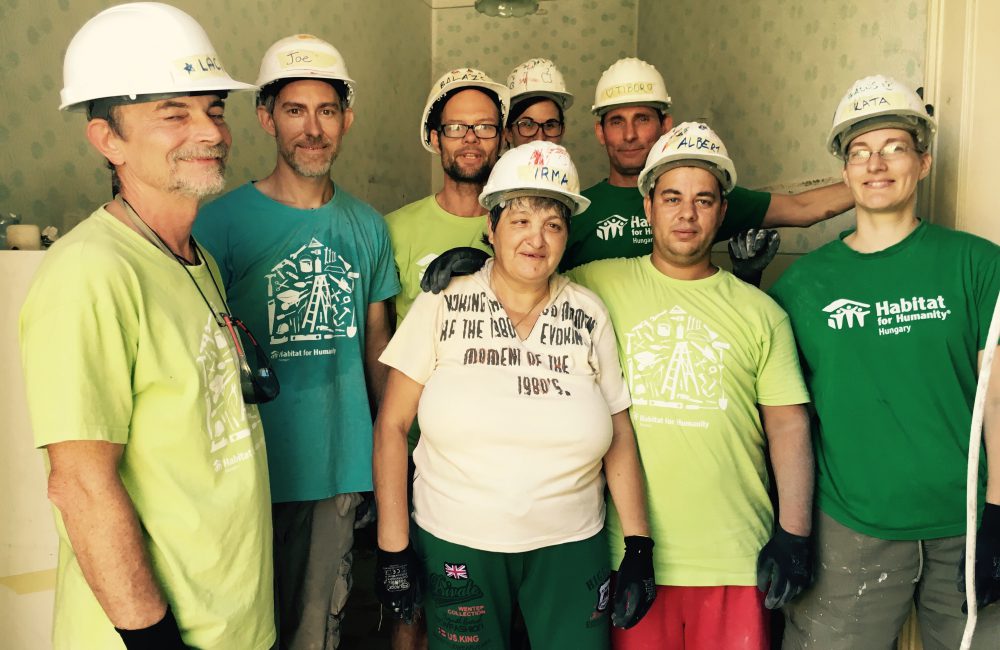
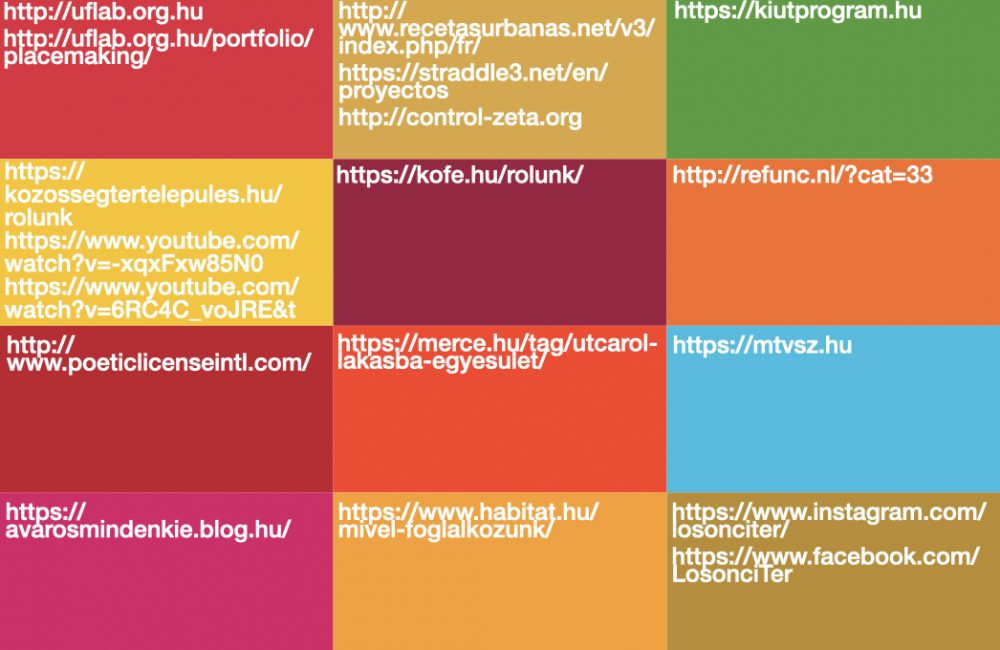
Oktatók/Előadók: prof. Dr. Alföldi György DLA, Kurucz Olívia, Bokányi Imre, Bene Bence, Beke Márton [Közös Pontok Műhely], Péterfi Ferenc, Sárkány Csilla [KIÚT Zrt.], Kukucska Gergely, Kovács Vera [ULE], Marga Jann, Kovács Bence [MTVSZ], Csepregi Dorka [AVM], Ajtay Andris [AVM], Szegfalvi Zsolt [Habitat]

Kérdés esetén ezeken az emailcímeken elértek minket: uflab@urb.bme.hu, kurucz@urb.bme.hu, alfoldi.gyorgy@urb.bme.hu

Next Normal After Covid – Urban Planning and Design 2

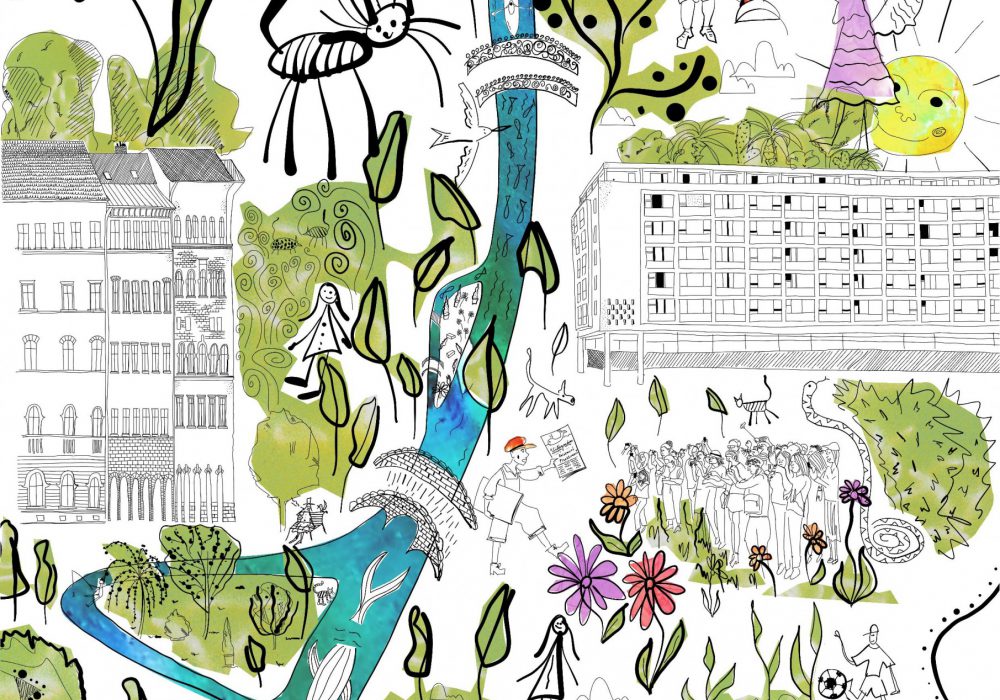
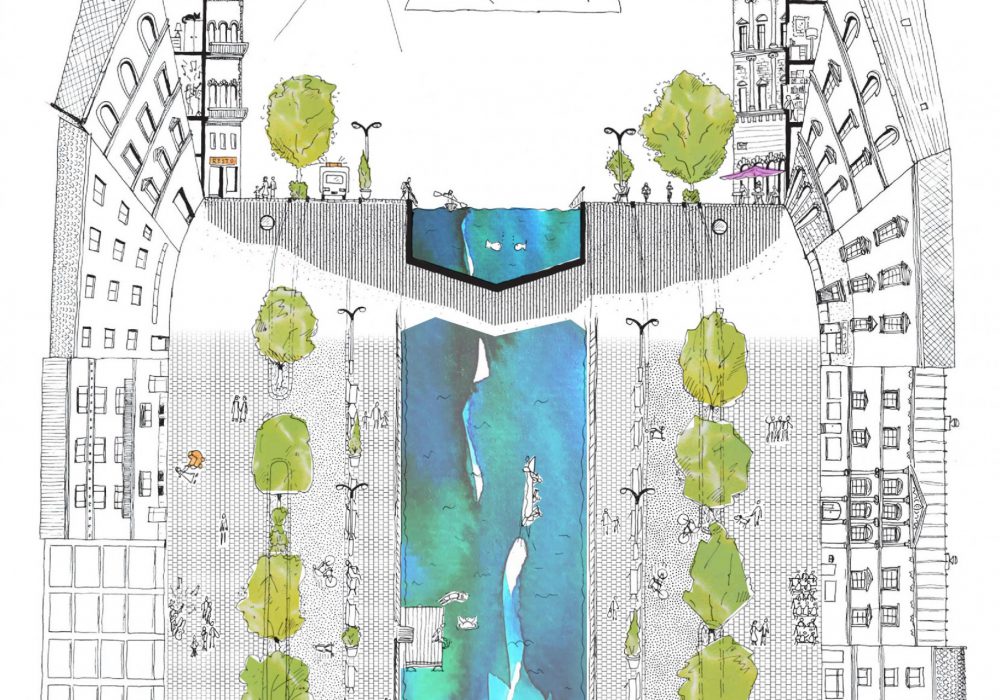
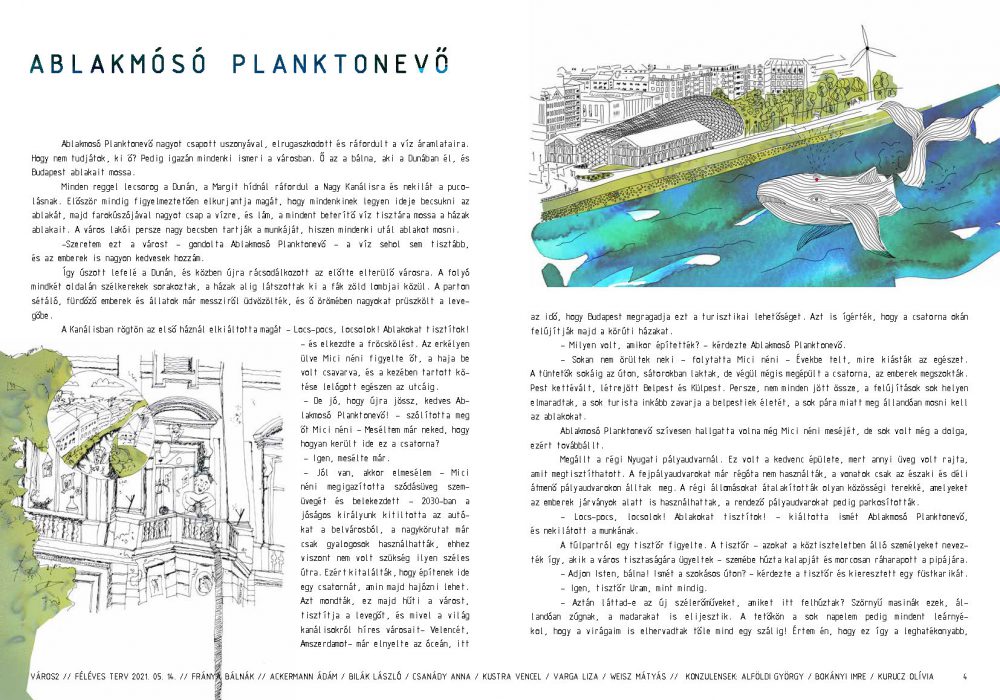
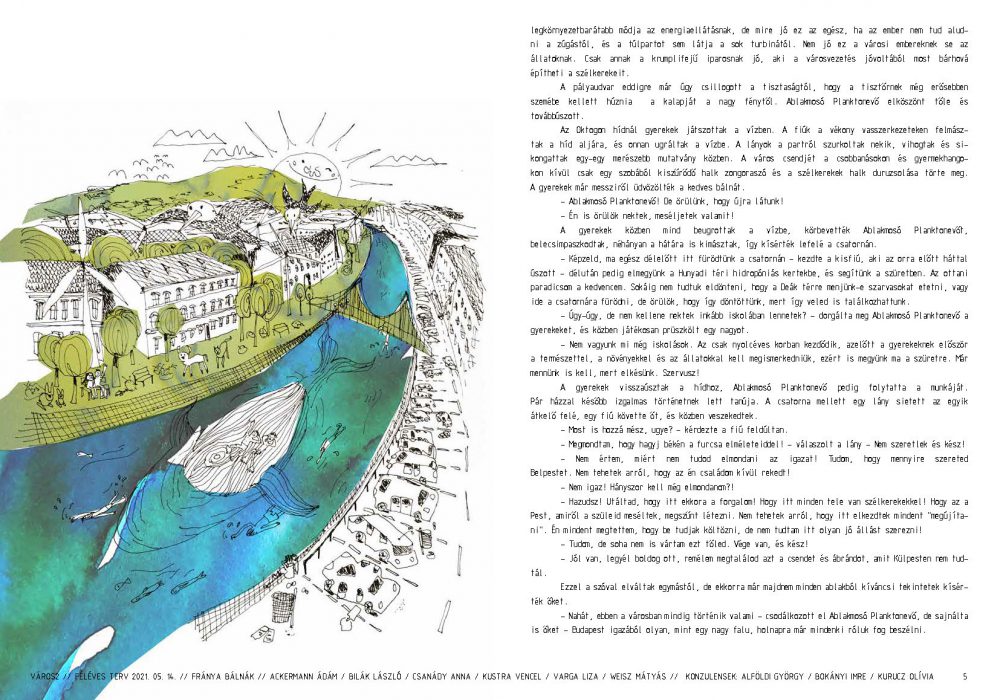
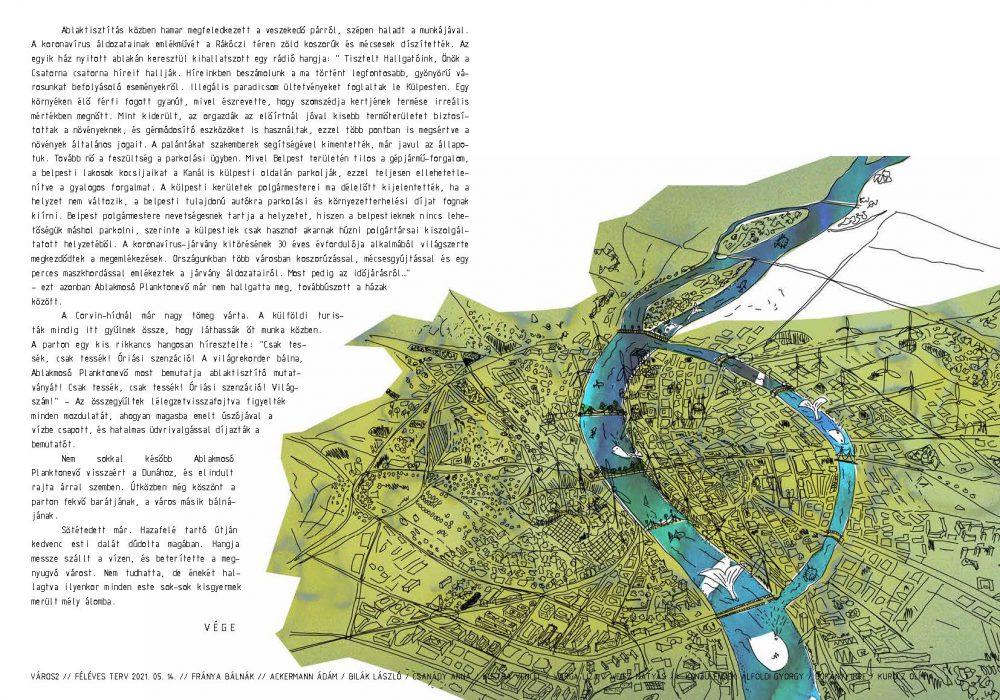
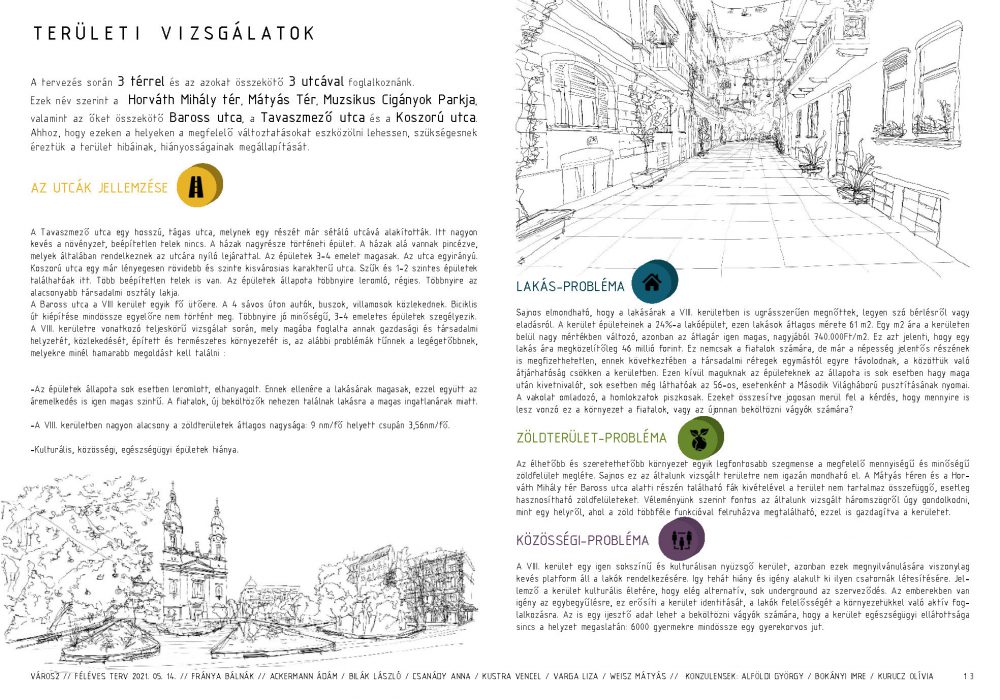
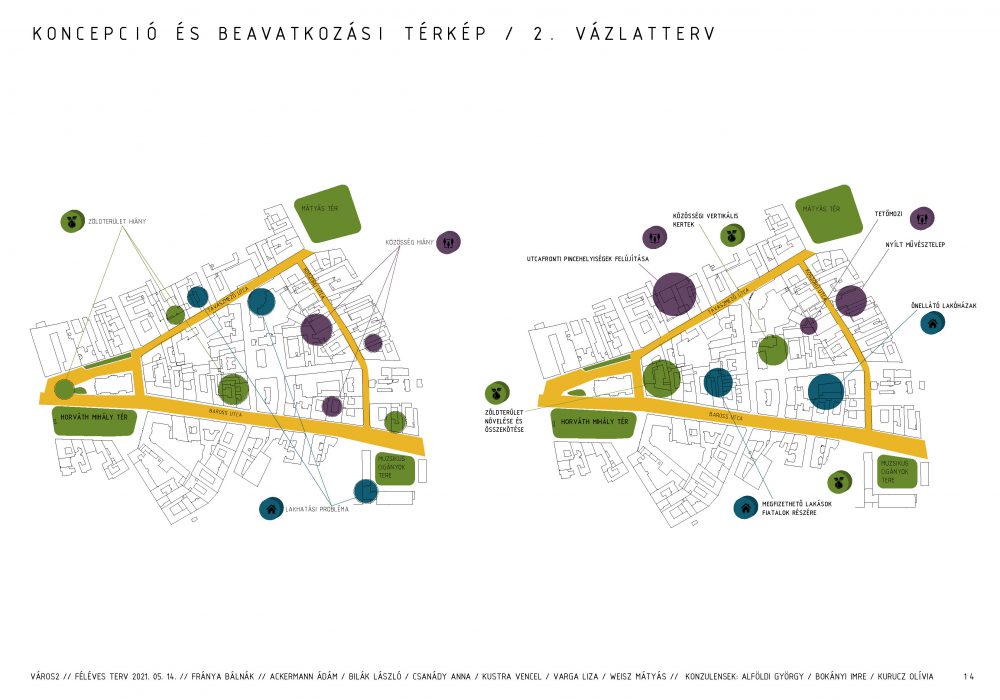
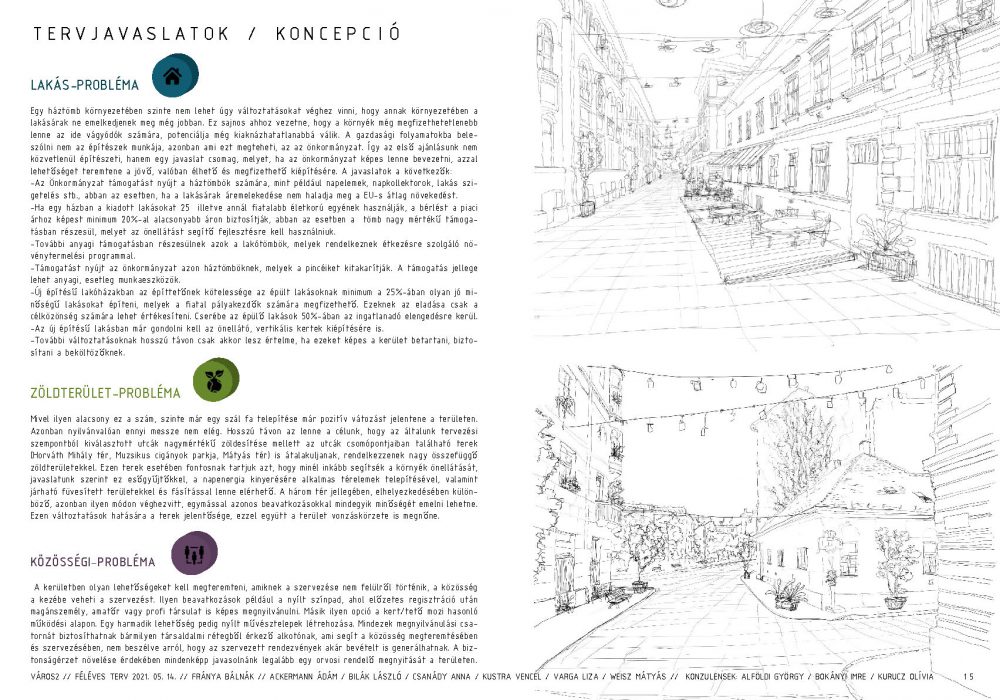
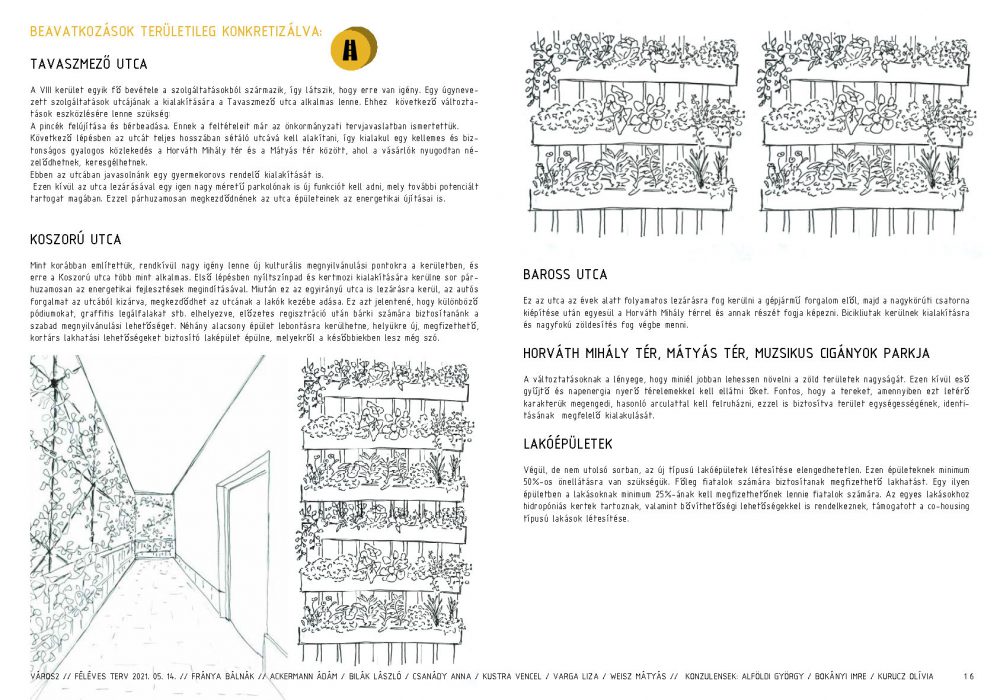
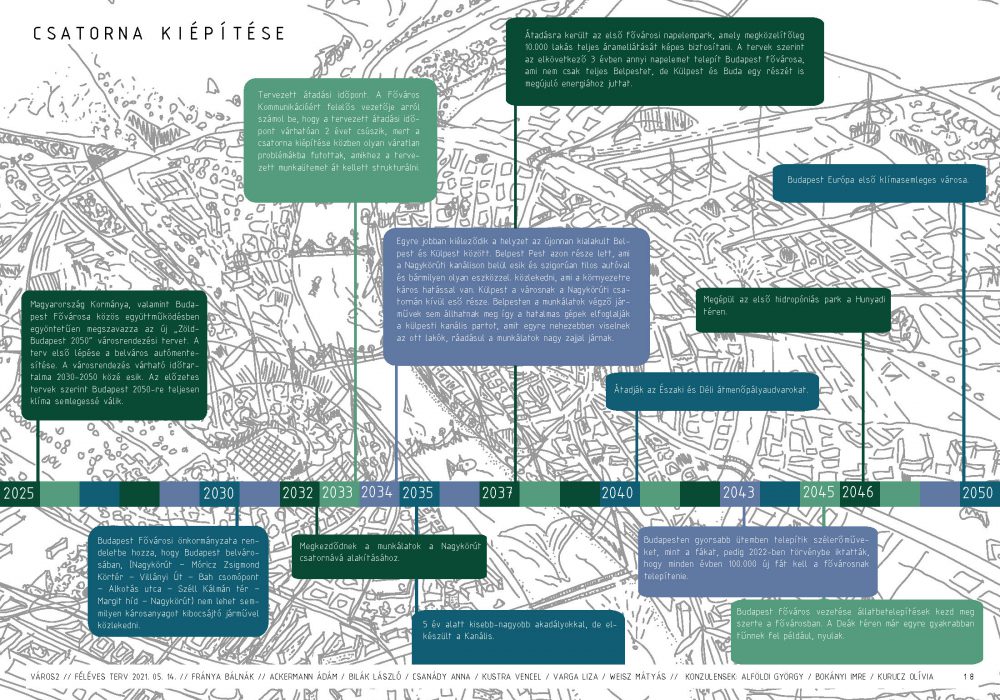
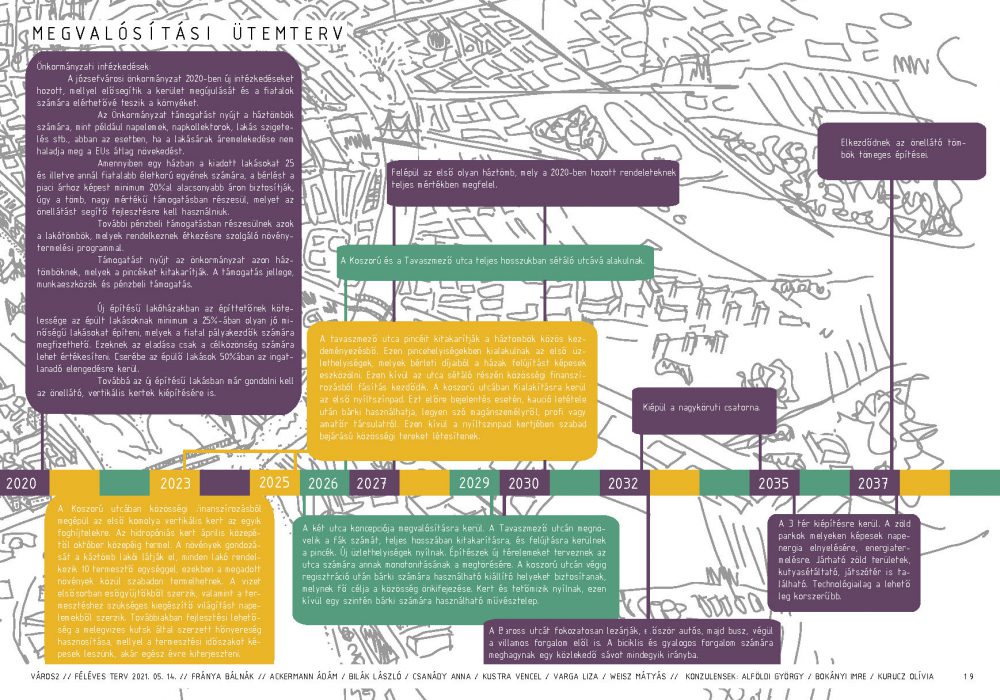
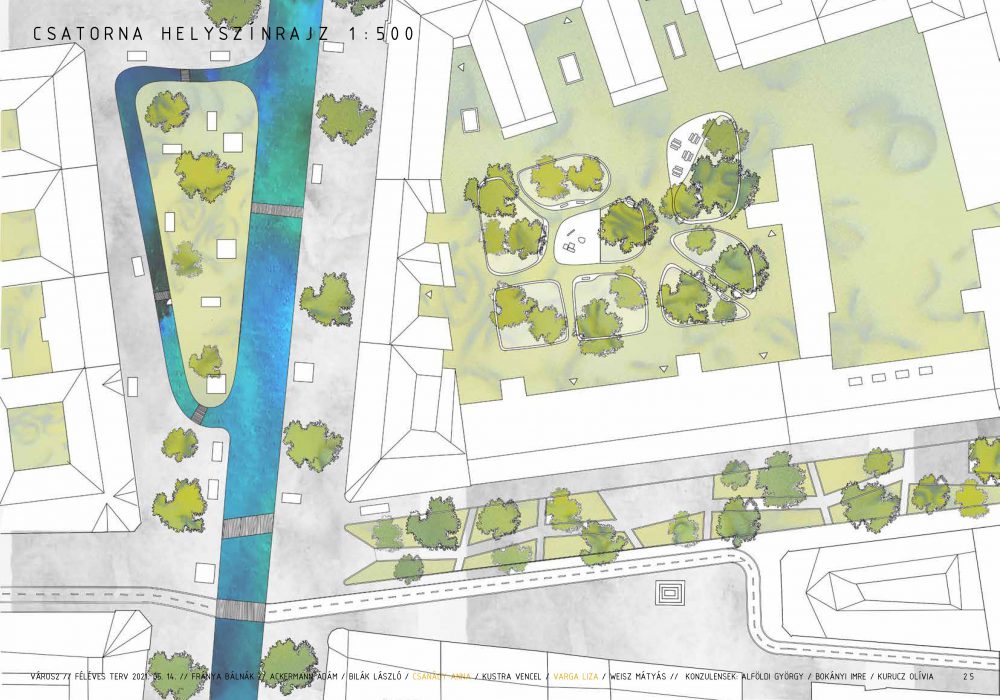
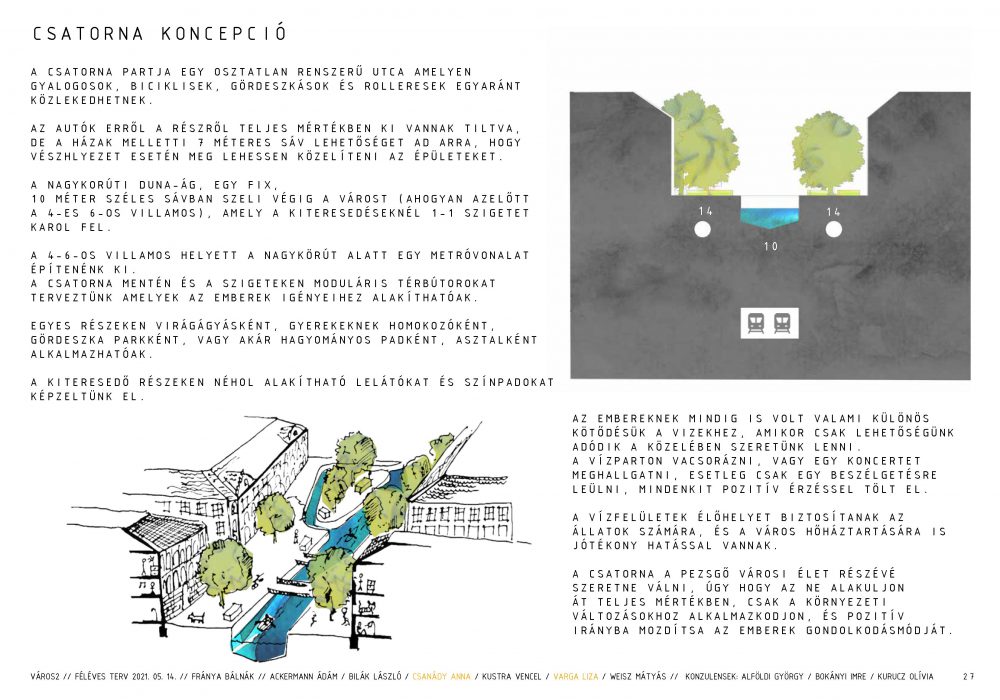
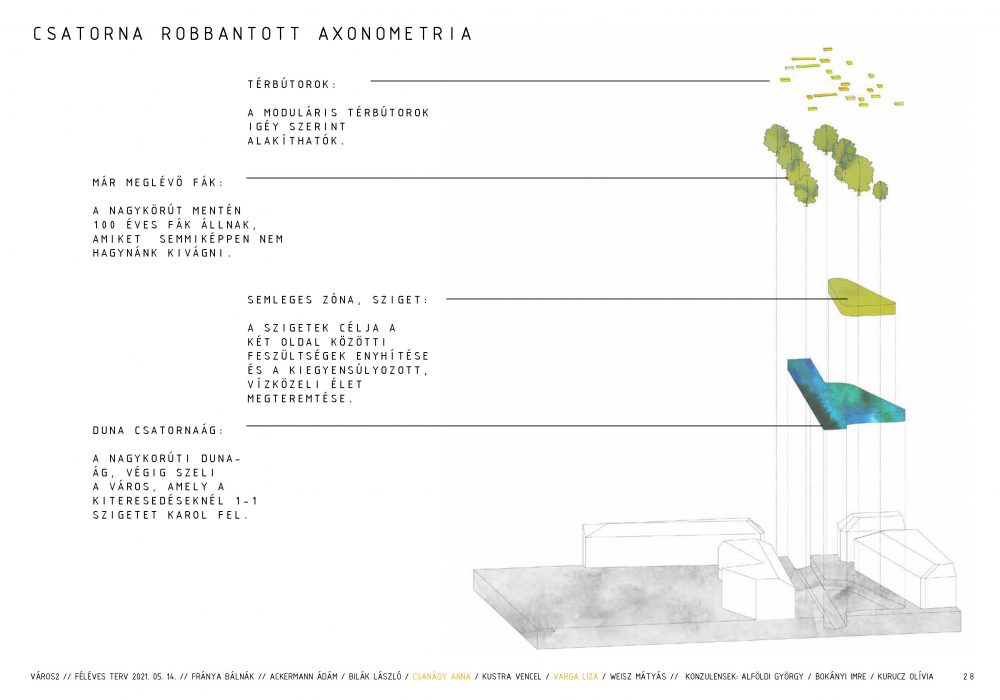
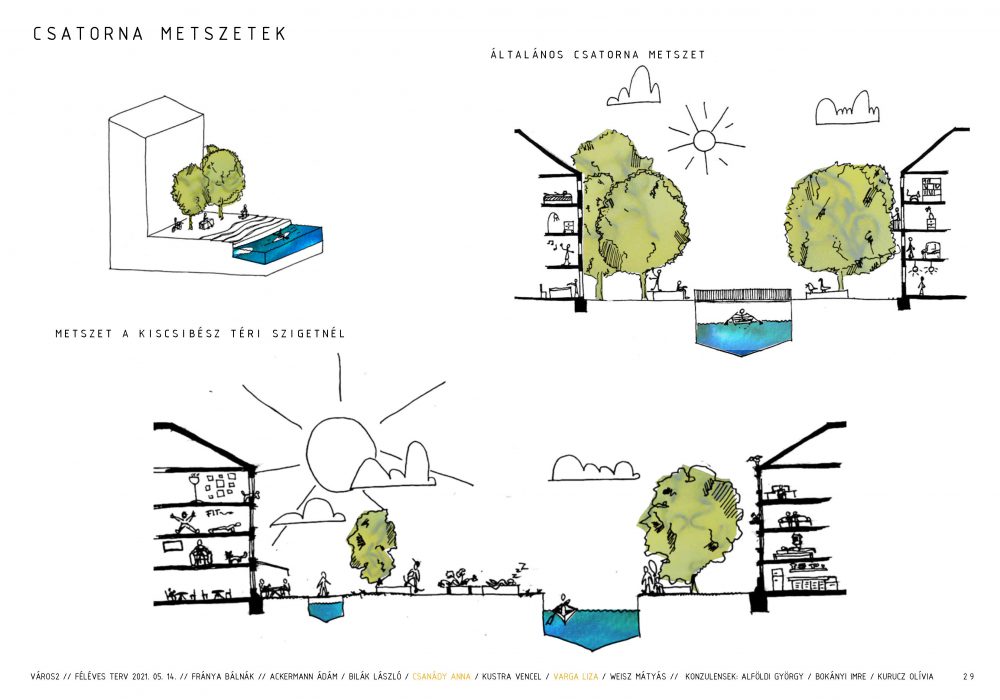
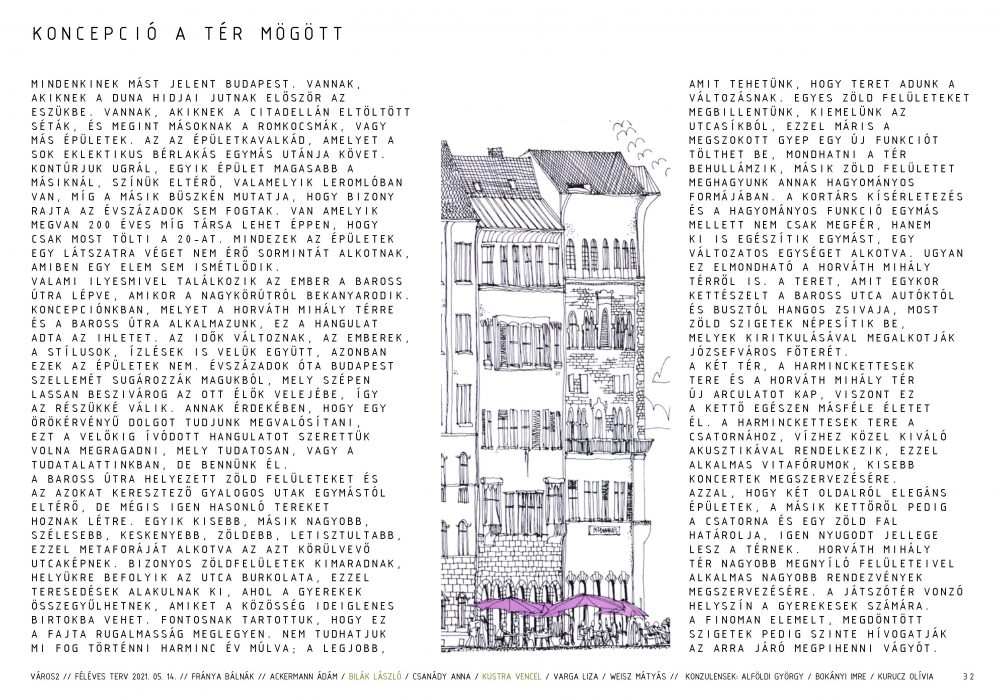
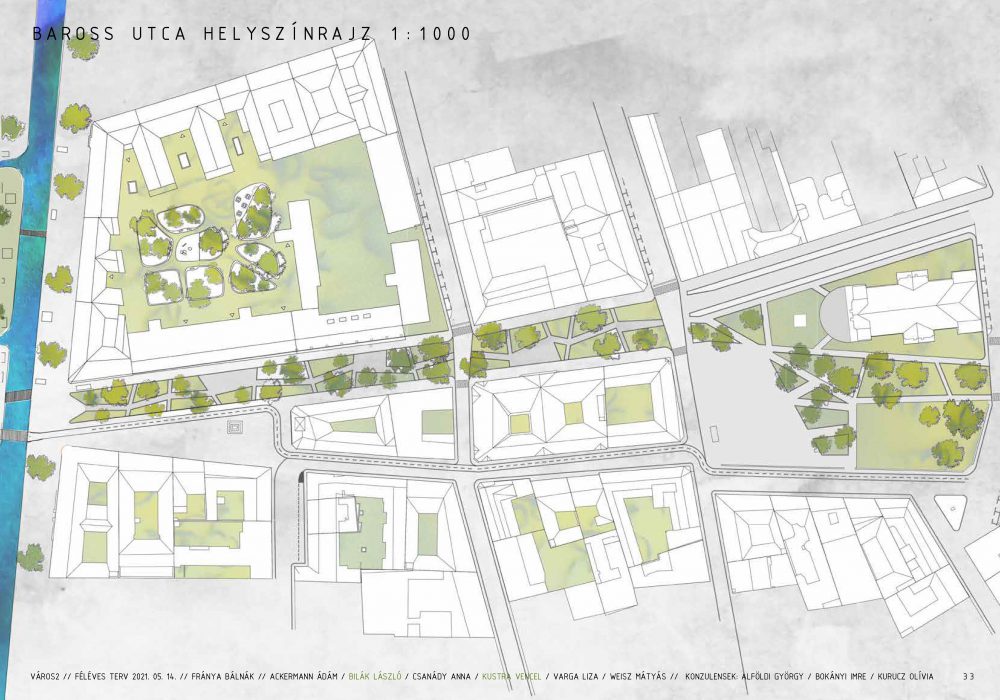
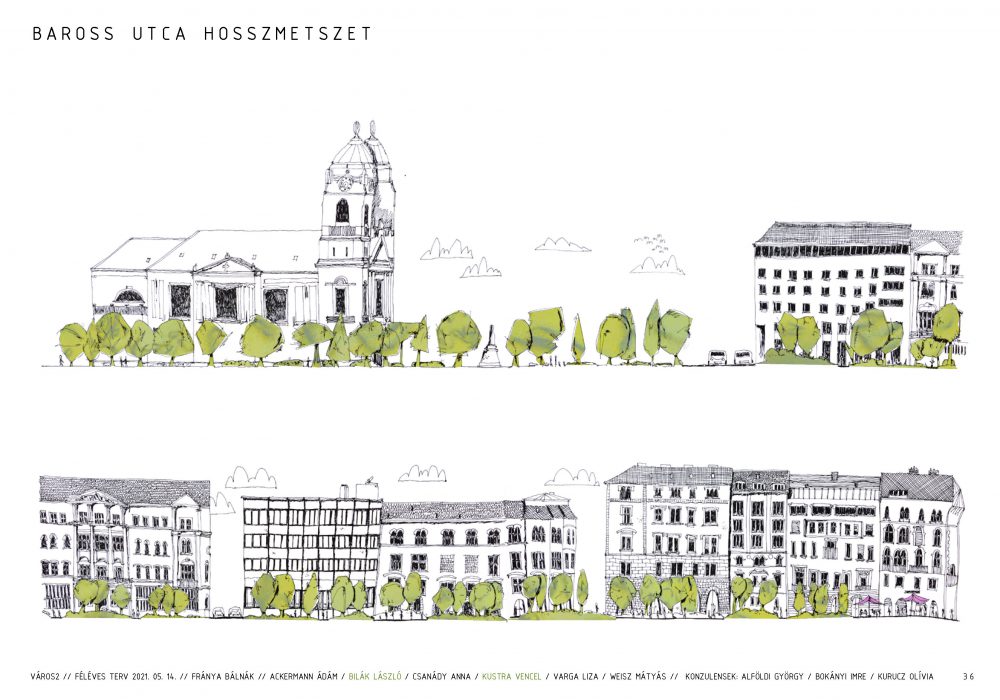
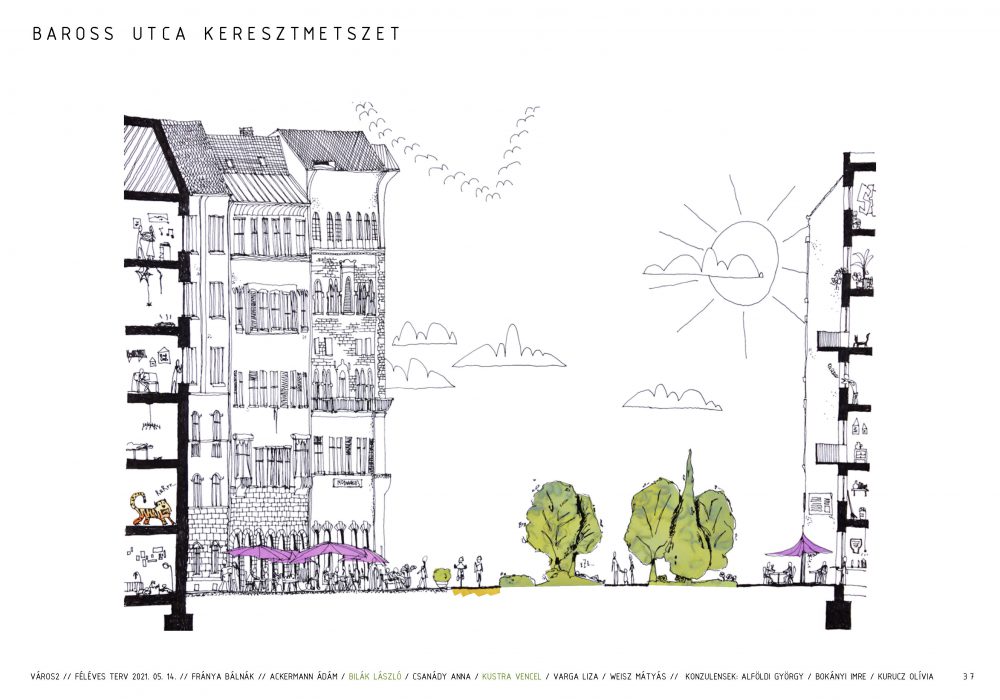
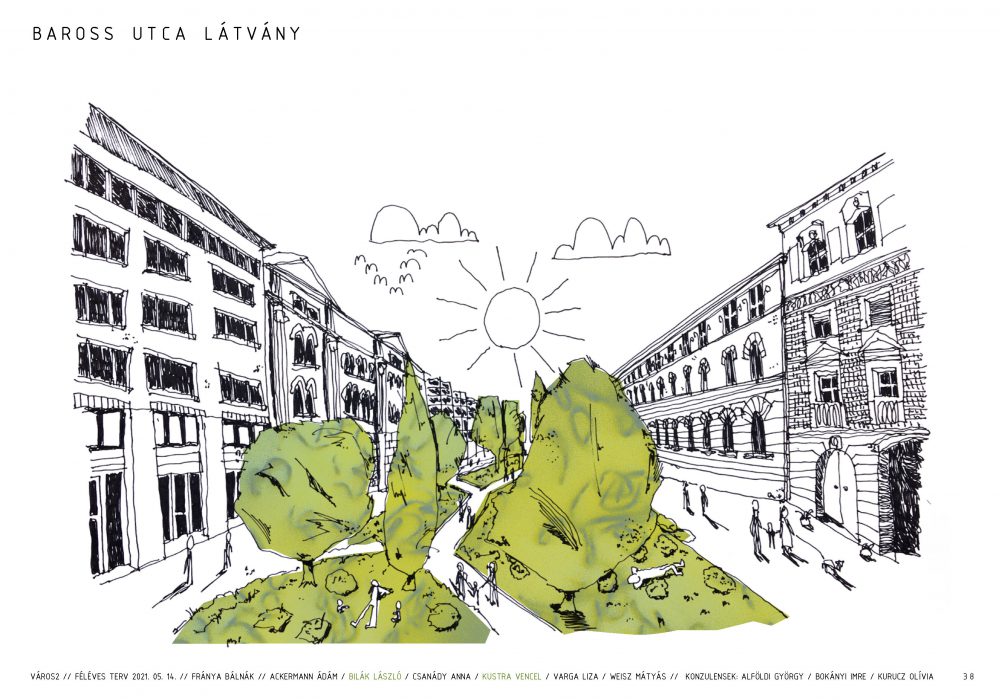
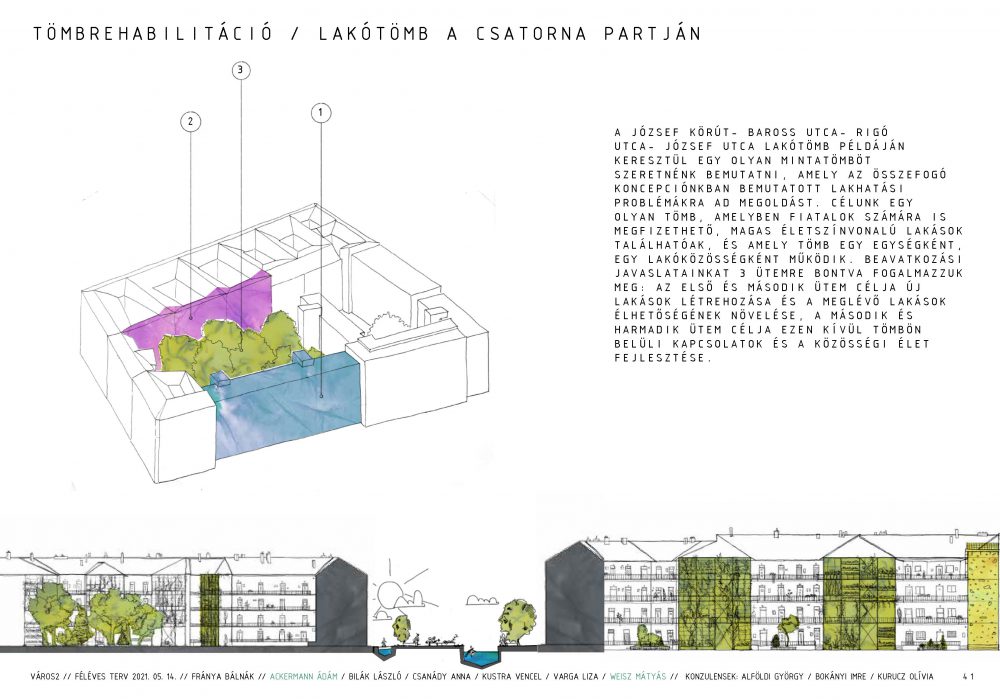
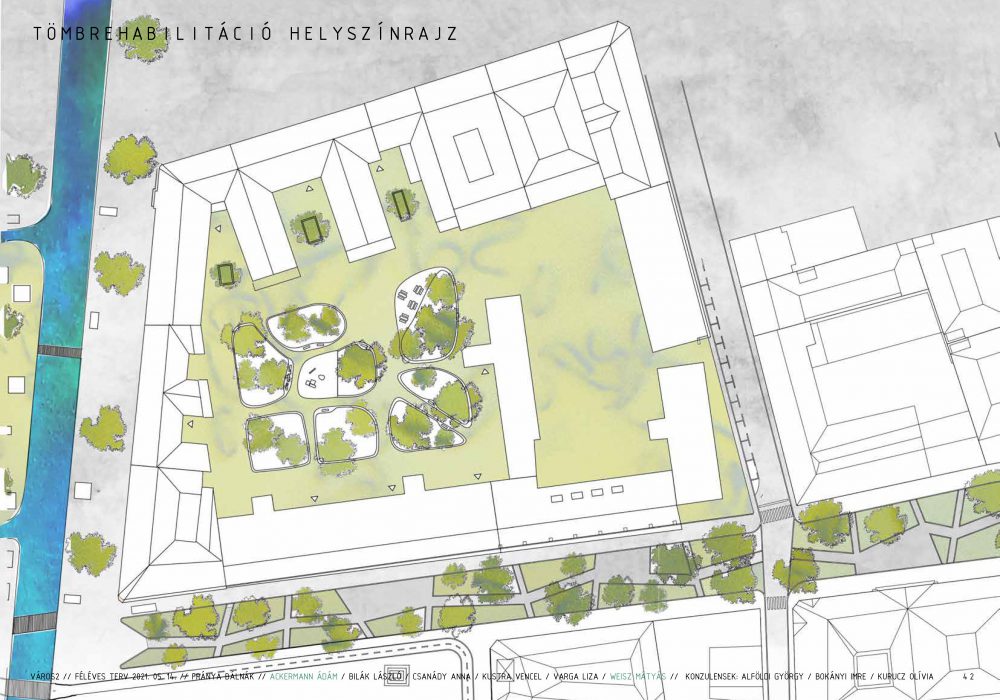
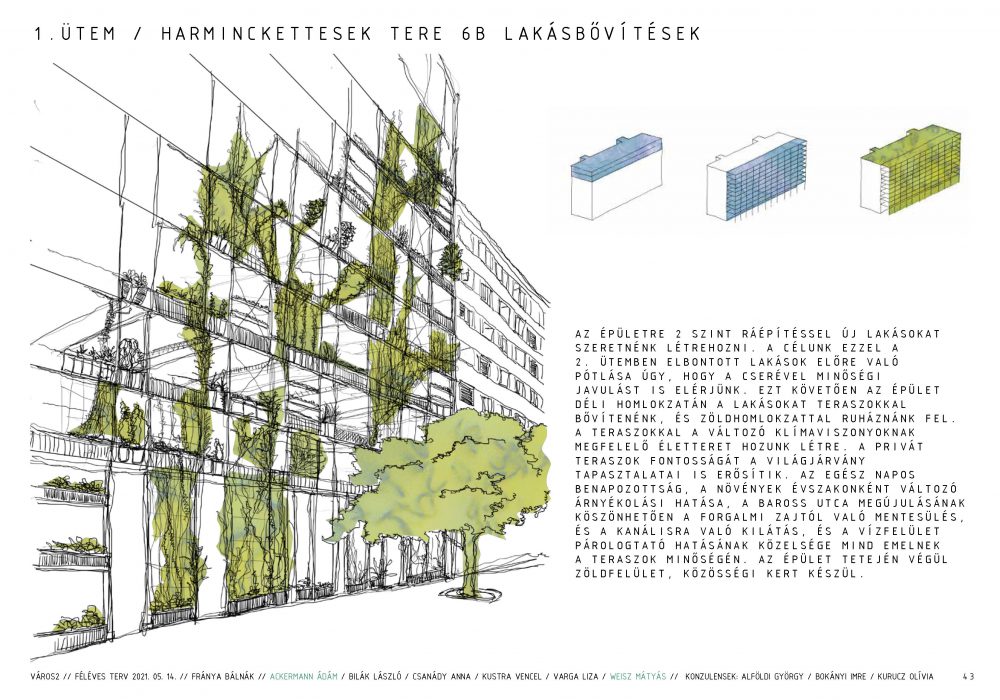
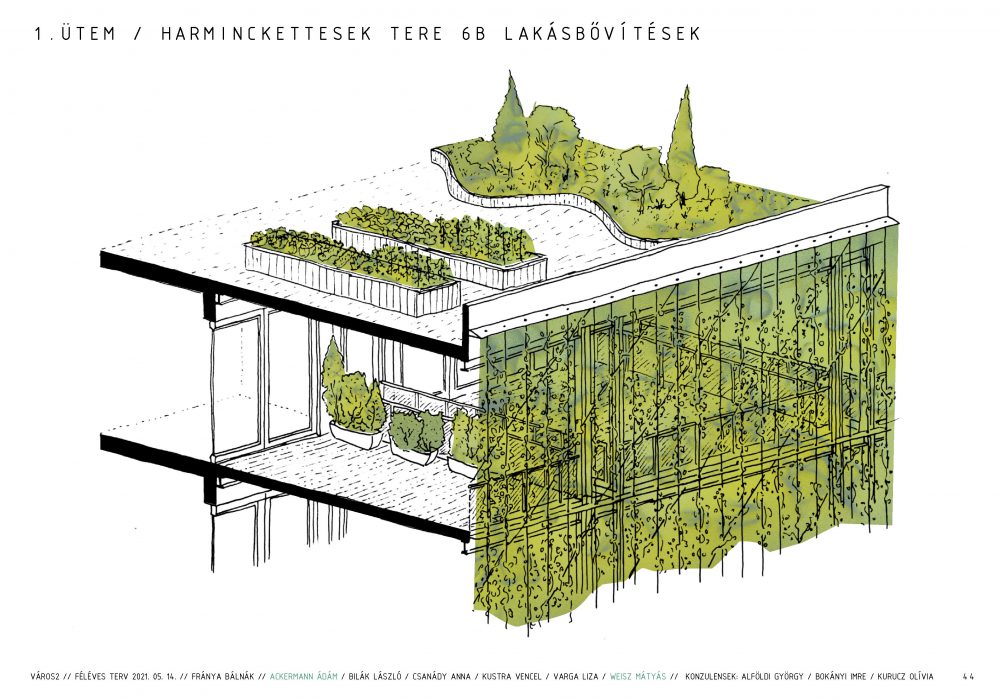
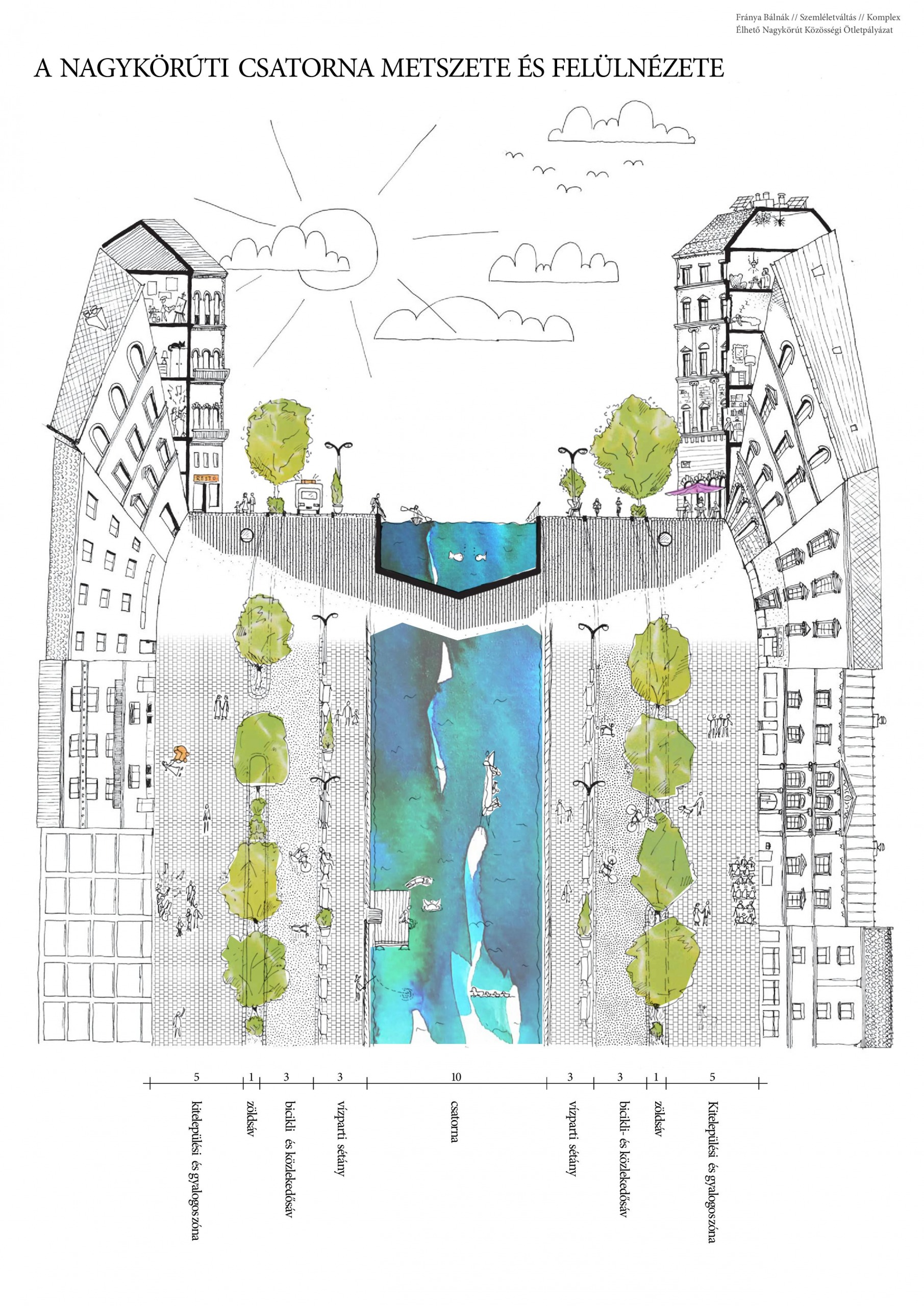
In 2021, within the framework of the subject called Urban Planning and Design 2, the students of UFLab dealt with the parts of Budapest beyond Nagykörút in the 6th and 8th districts, which are defining parts of the capital and the scenes of continuous changes. The work was organized around three keywords throughout the semester: Speculative Desing, Crisis and Placemaking. The students worked online in teams and envisioned dystopian and utopian scenarios of the two districts for 2050.

Urban Planning and Design 2 – 2021
Tutors: prof. Dr. György Alföldi DLA / Olívia Kurucz / Imre Bokányi
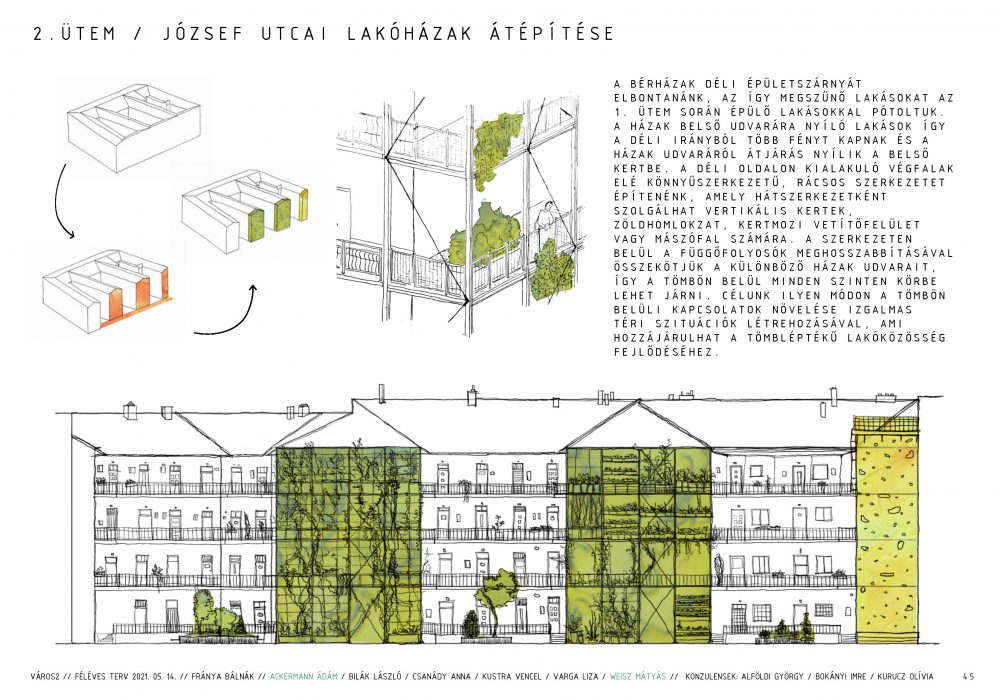
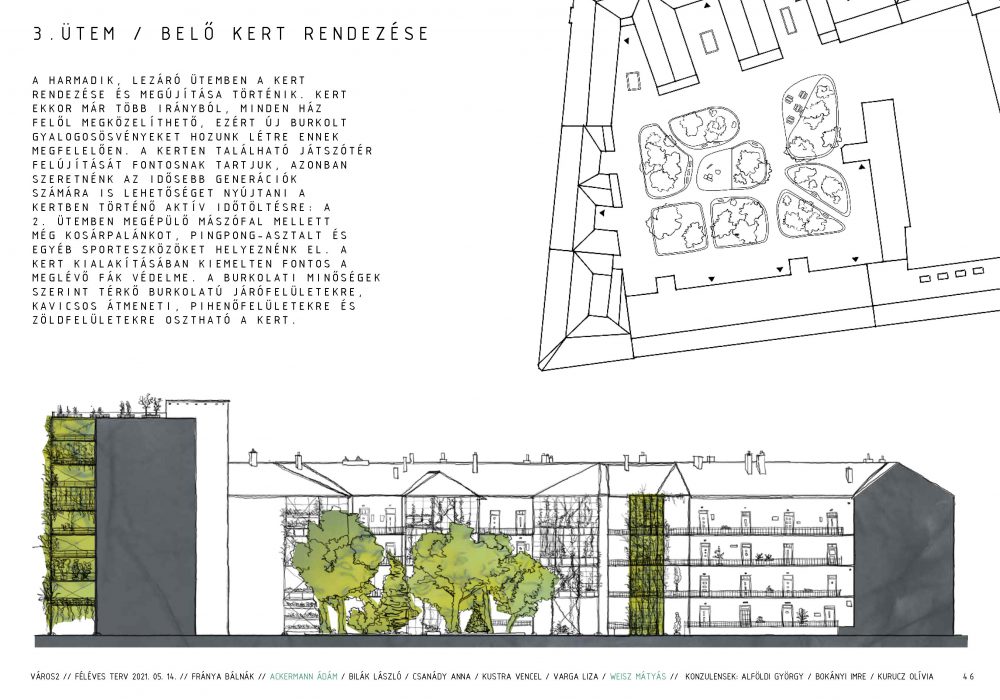
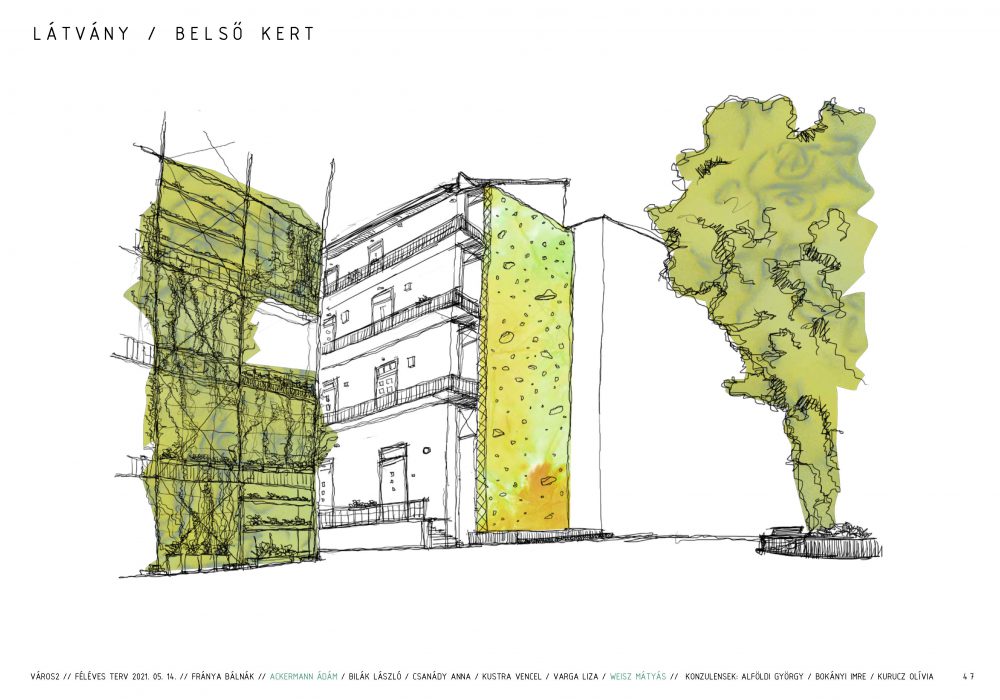
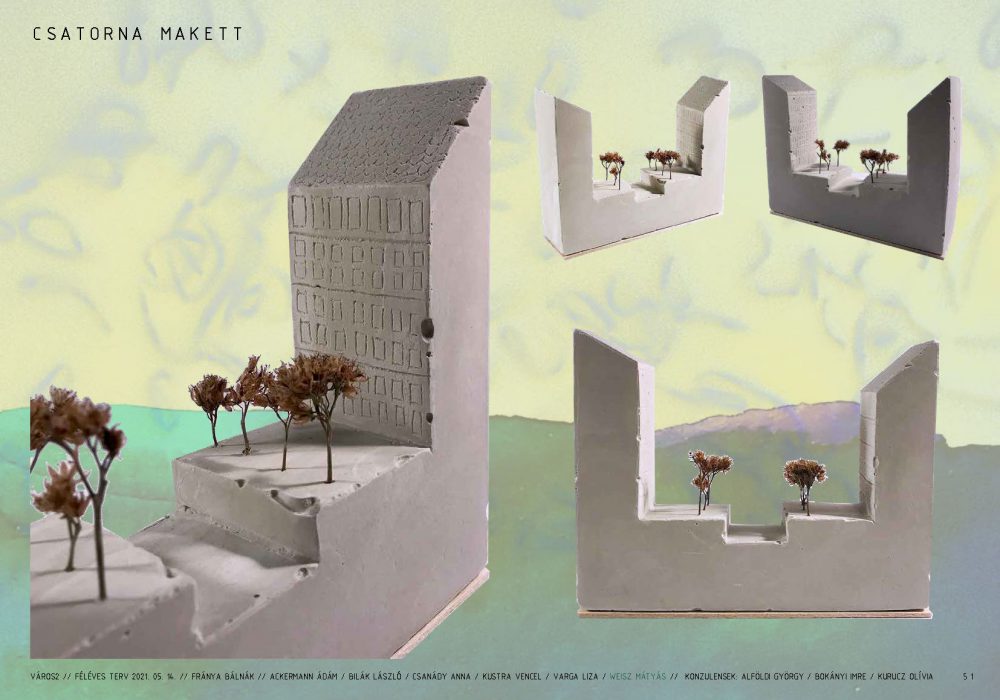
[Students: Ádám Ackermann / Luca Hanna Alvári / Csenge Bálint / Máté András Bauer / Gréta Berente / László Olivér Bilák / Fülöp Czékus / Anna Dorottya Csanády / Blanka Gill / Flóra Gombai / Tamás Holcsek / Laura Kassai / Örs Korompay / Fanni Ágota Kovács / Vencel Kustra / Wei Lin / Matild Kinga Magoss / Olívia Anna Moór / Kevin Stoye / Dorottya Szabó / Mária Szecsei / Márton Szelényi / Eszter Szentpáli / Liza Varga / Mátyás Weisz / Maja Zombor]

Losonci tér – Placemaking

Helyteremtés Budapest Belvárosában.
A Placemaking tárgy keretein belül a témánk a mikro-helyek keresése és kialakítása Budapest két karakteres kerületében: Terézvárosban és Józsefvárosban. Várunk minden évfolyamból hallgatókat,  akikkel az UFLab kutatóműhely 6 lépéses technológiáját követve valós párbeszédeket folytatunk a város szereplőivel és célunk a 2021 nyári “in situ” fizikai helyszíni beavatkozás.

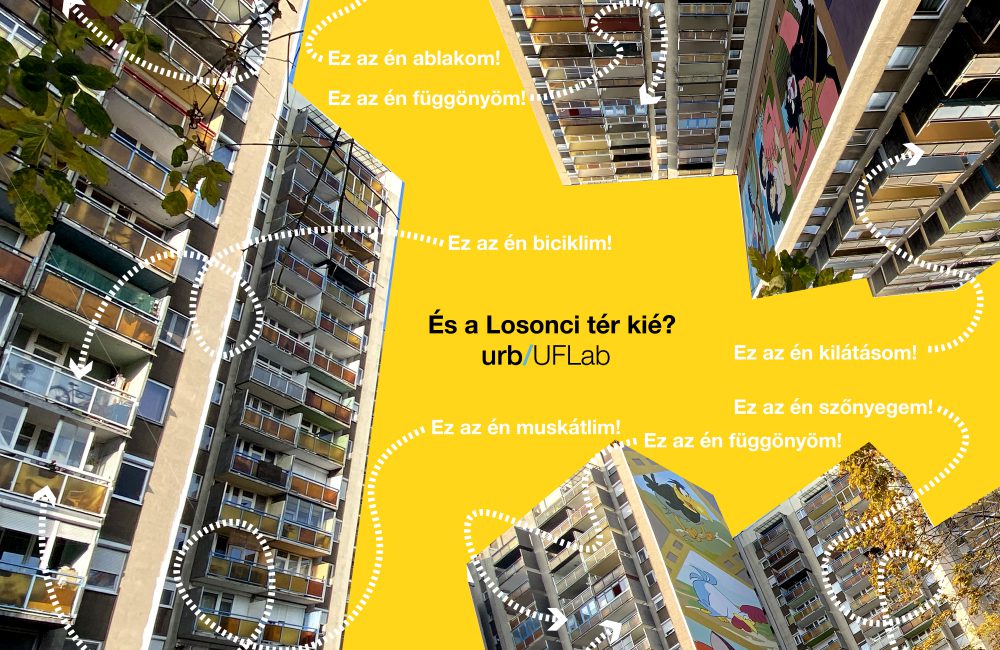
A Józsefvárosi Losonci tér megismerésével és vizsgálataival foglalkoztunk a 2020/21/I. félévben, ezt folytattuk a tavaszi félévben a Városi Társadalmi Innovációk kurzuson belül, ahol három csapat foglalkozott a lakók és a teret használók megszólításával. A helyi közösségi (kutatás-tervezés-csinálás) használatok, igények és érdekek felmérését folytatjuk és azokkal összhangban helyet szeretnénk teremteni a Losonci téren. Találjuk ki együtt, hogyan lehet párbeszédet, akciókat és helyet generálni sárga fém planténerek segítségével! A tárgy utóéletét TDK dolgozatokban is szívesen látnánk.

Oktatók: prof. Alföldi György DLA, Kurucz Olívia és Bokányi Imre az UFLab kutatóműhelyből, valamint a helyiek és külső szakemberek (tájépítészek, közlekedés mérnökök, stb.)

Kérdés esetén ezeken az emailcímeken elértek minket: uflab@urb.bme.hu, kurucz@urb.bme.hu, alfoldi.gyorgy@urb.bme.hu

Az UFLab/Losonci tér Facebook oldalához itt tudsz csatlakozni.

Placemaking1 – 2020
Consultants: prof. György Alföldi DLA, Olívia Kurucz, Imre Bokányi
[Students: Czékus Fülöp / Fercsik Fruzsina / Kovács Krisztina / Siska Enikő / Zubek Károly / Győrfi Dániel / Kovács Laura]

Placemaking2 – 2021
Consultants: prof. György Alföldi DLA, Olívia Kurucz, Imre Bokányi
[Students: offline team: Baranyai Kata / Csanády Anna Dorottya / Győrfi Dániel / Varga Lilla Luca / Varga Liza / Veres Zsuzsanna // hibrid team: Domonkos Nikolett / Holecz Gál Ágoston / Kaposi-Ly Anna Cosima / Mohay Klára / Müller Hédi / Pintér András Ferenc / Szlávy Anna // online team: Czékus Fülöp / Korpai Judit / Szalay Kata Csenge / Sásdi Nóra / Szabó Dániel / Szilvás Fanni]